Commissioned Installations
This section includes permanent commissioned installations in corporate and university collections in the San Francisco Bay Area.
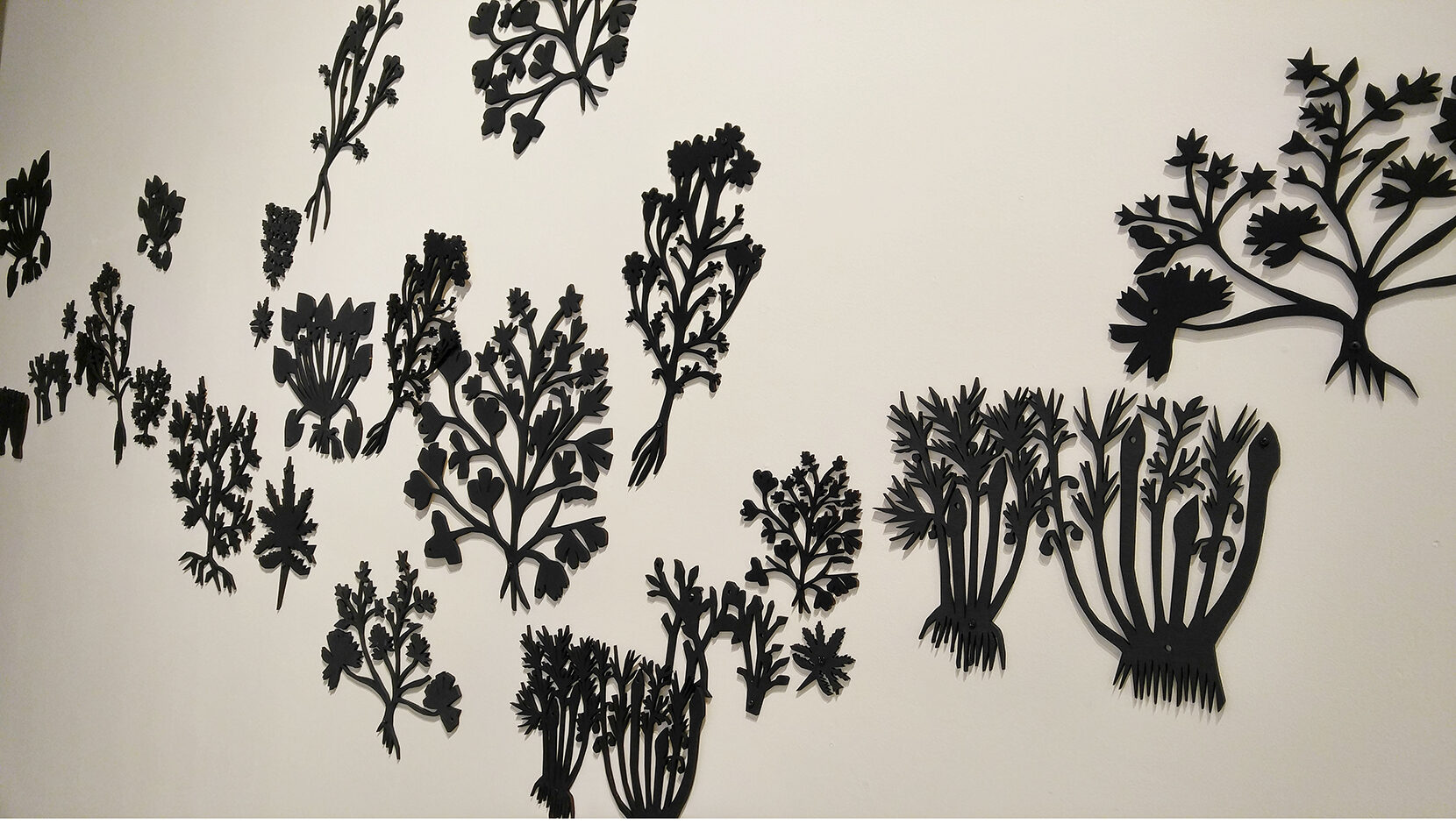
Shifting Horizon
Collection of YouTube HQ, San Bruno, CA, 2023
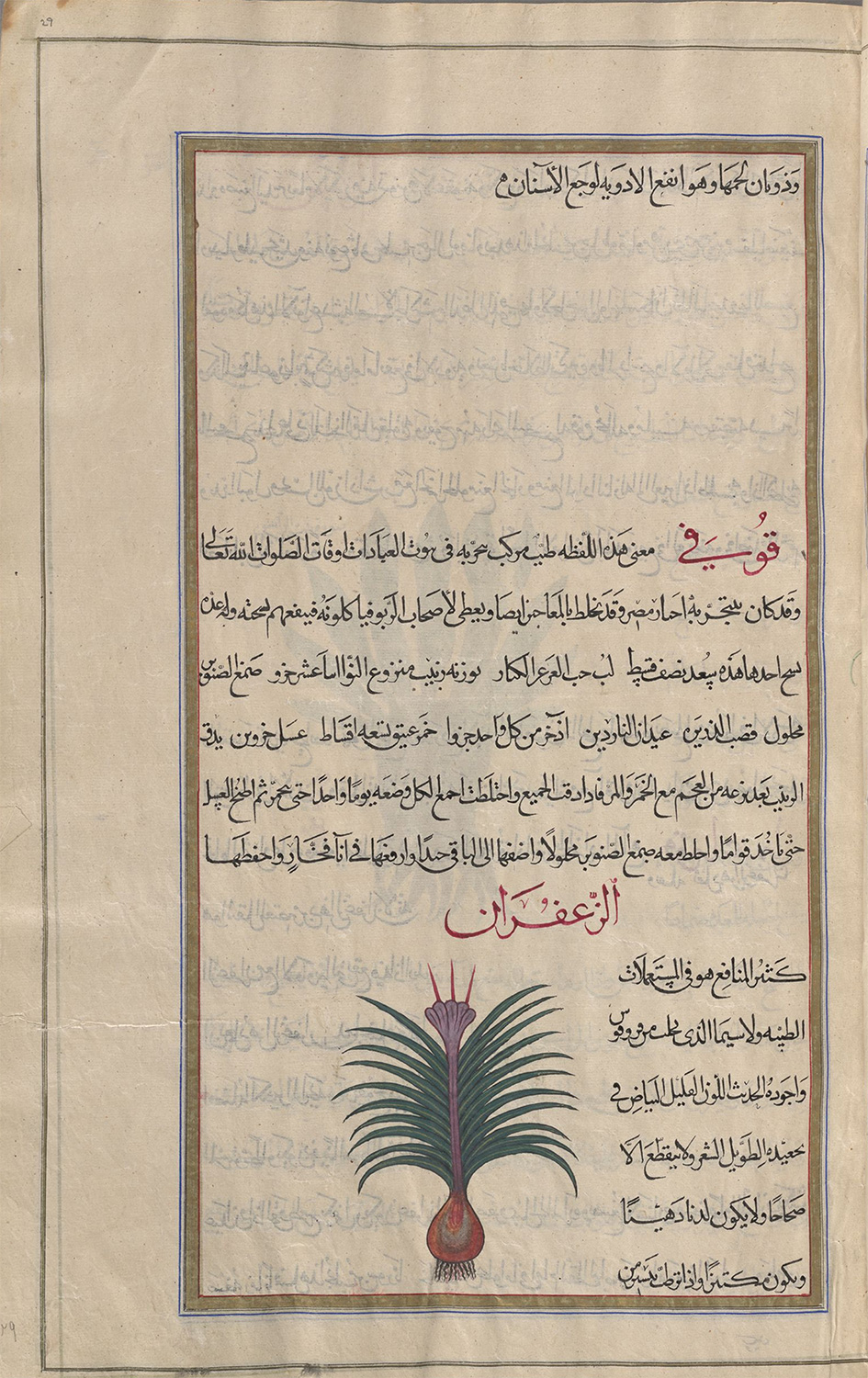
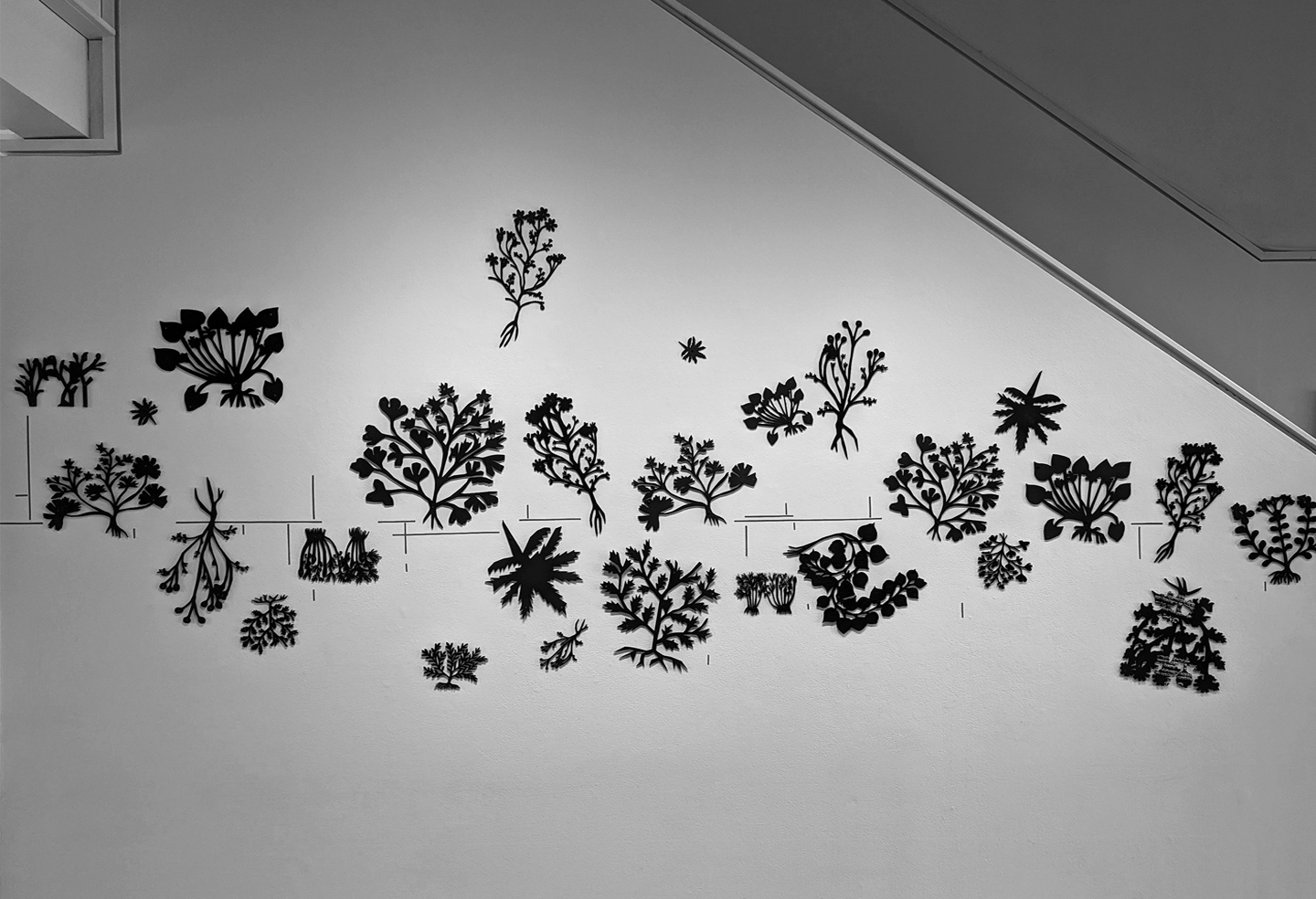
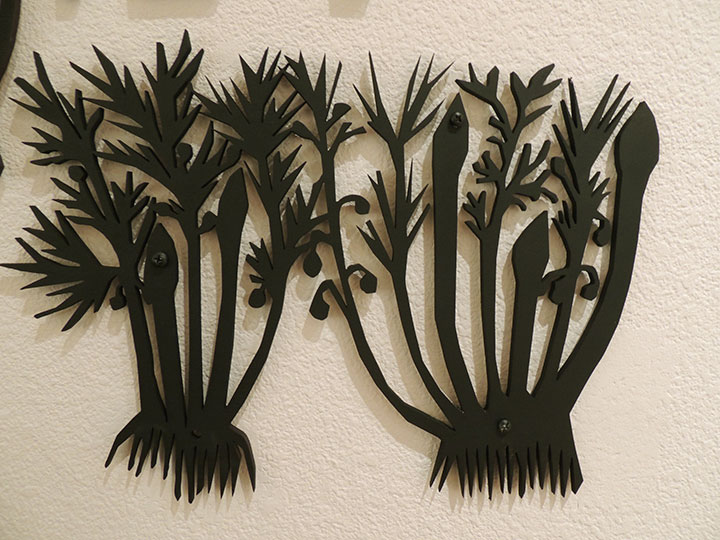
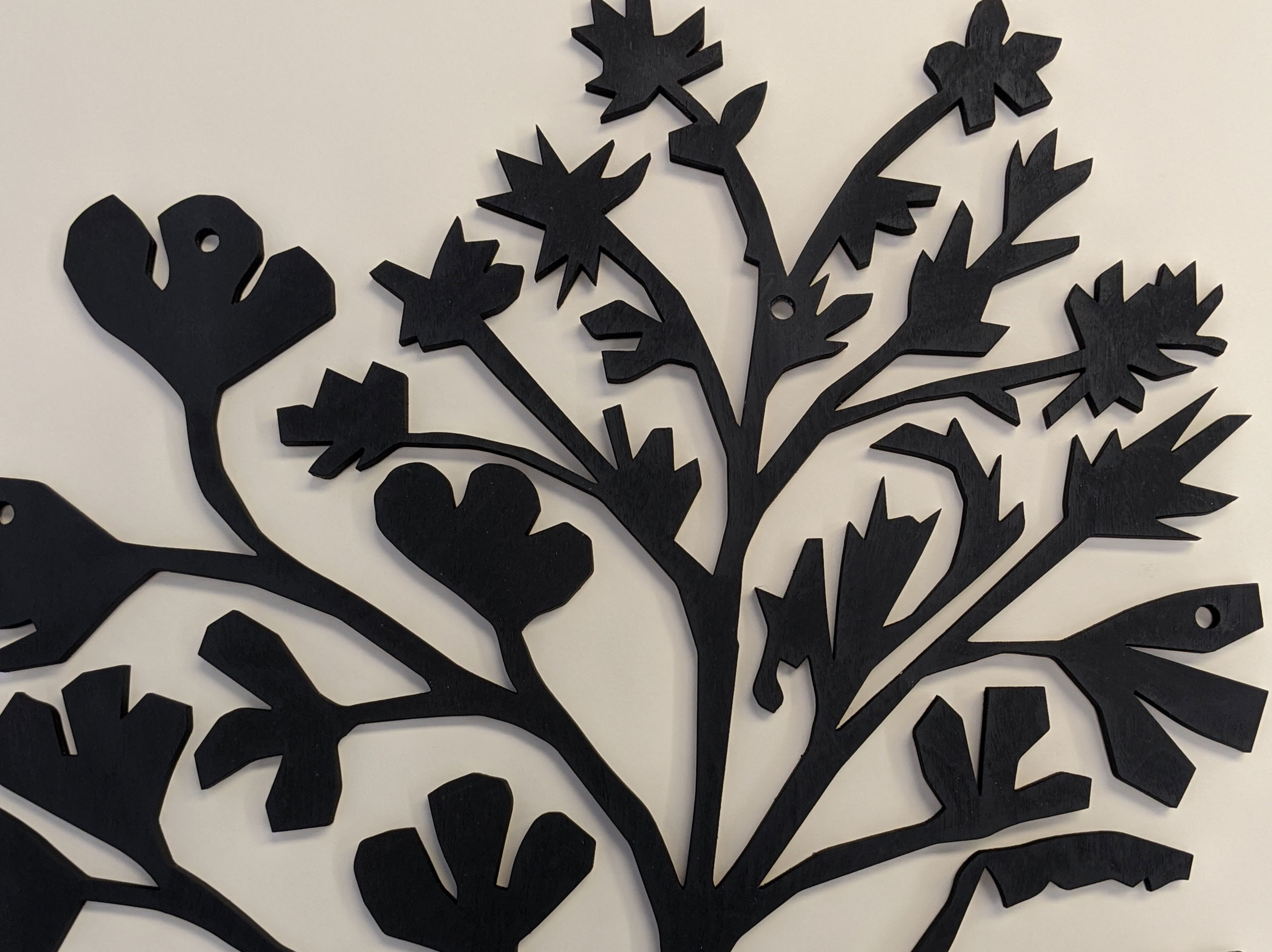
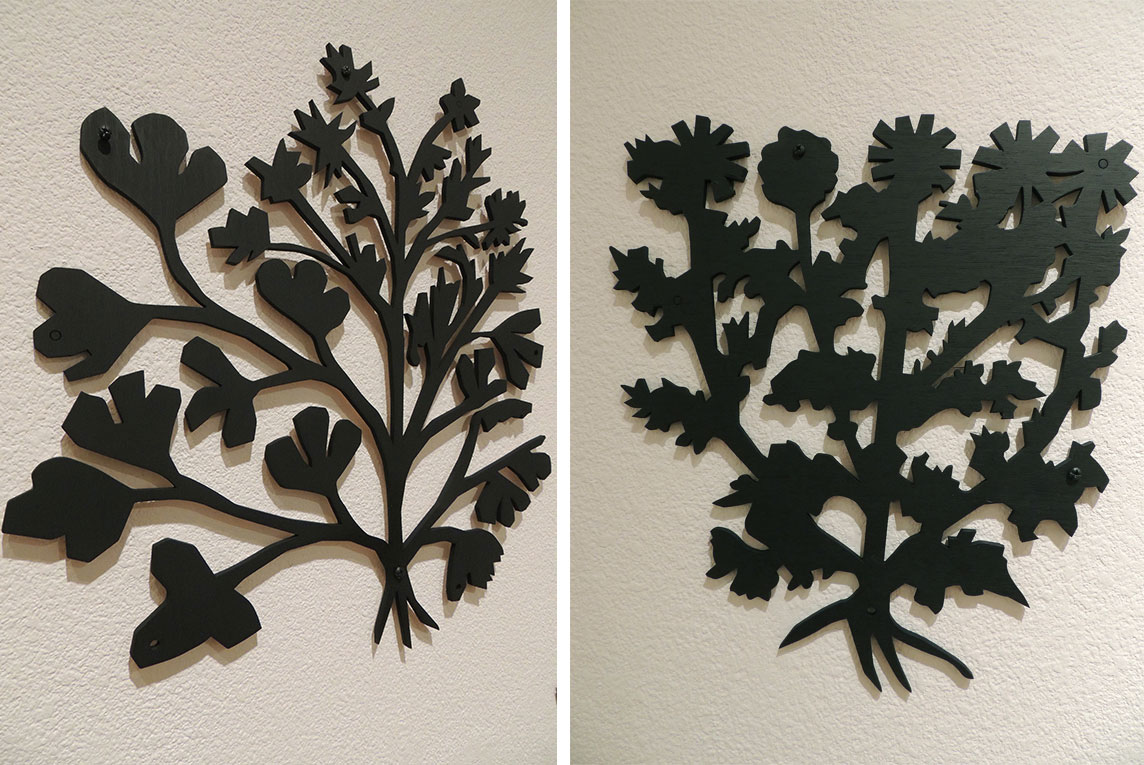
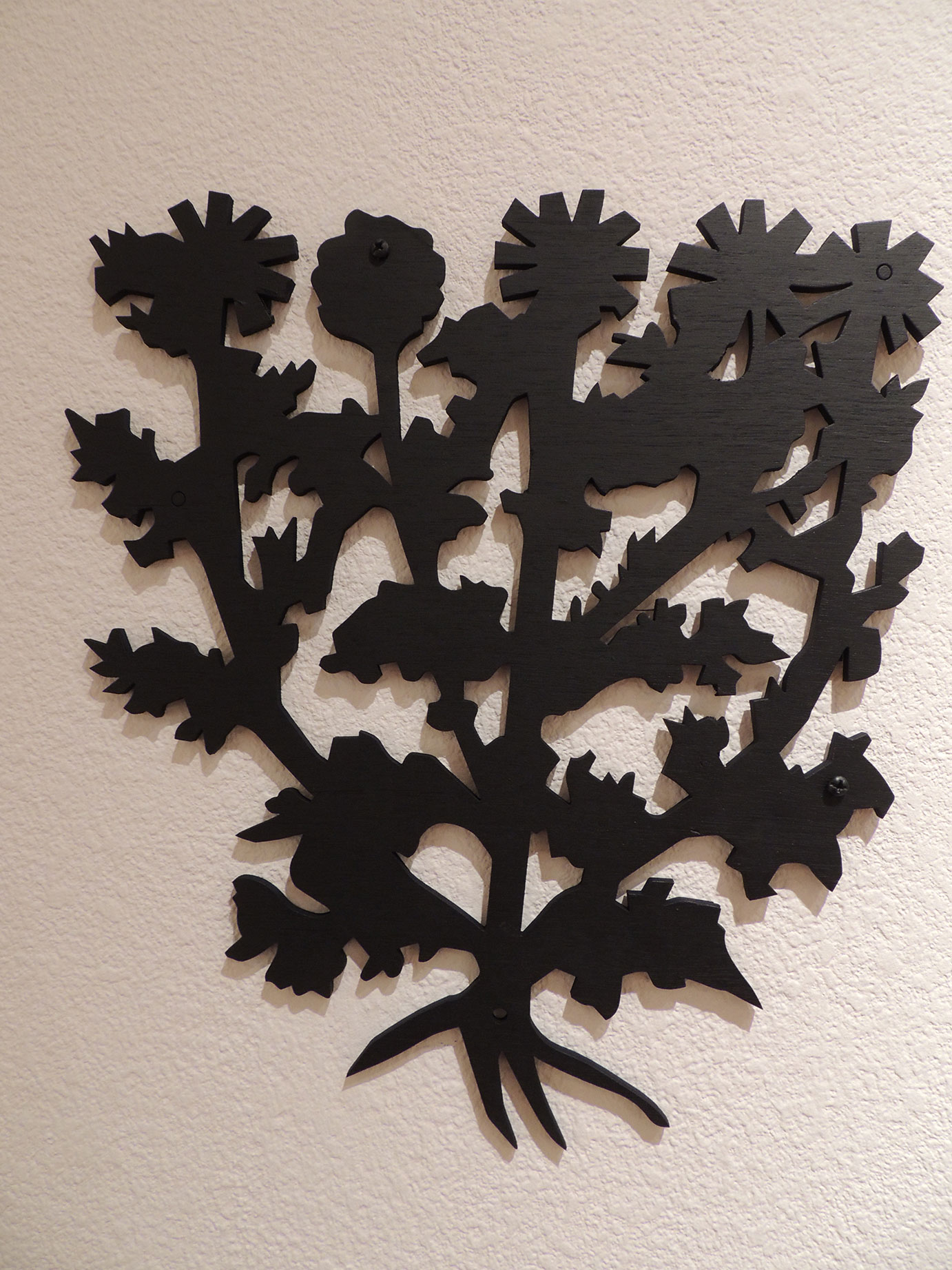
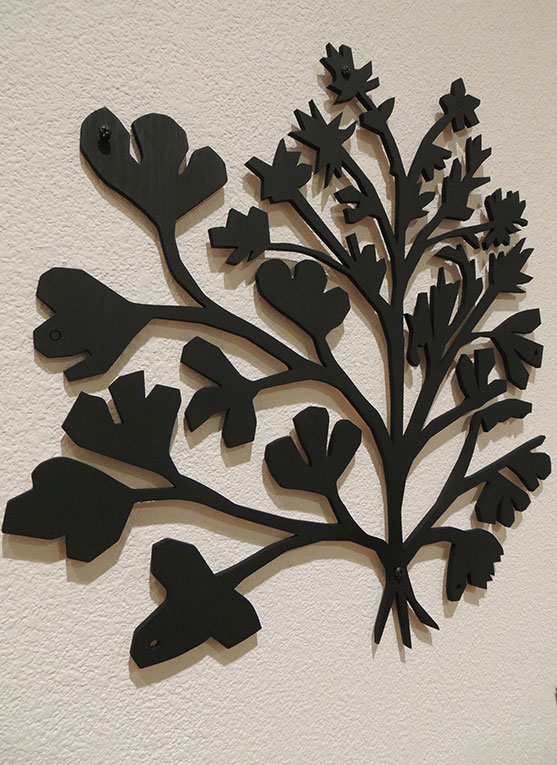
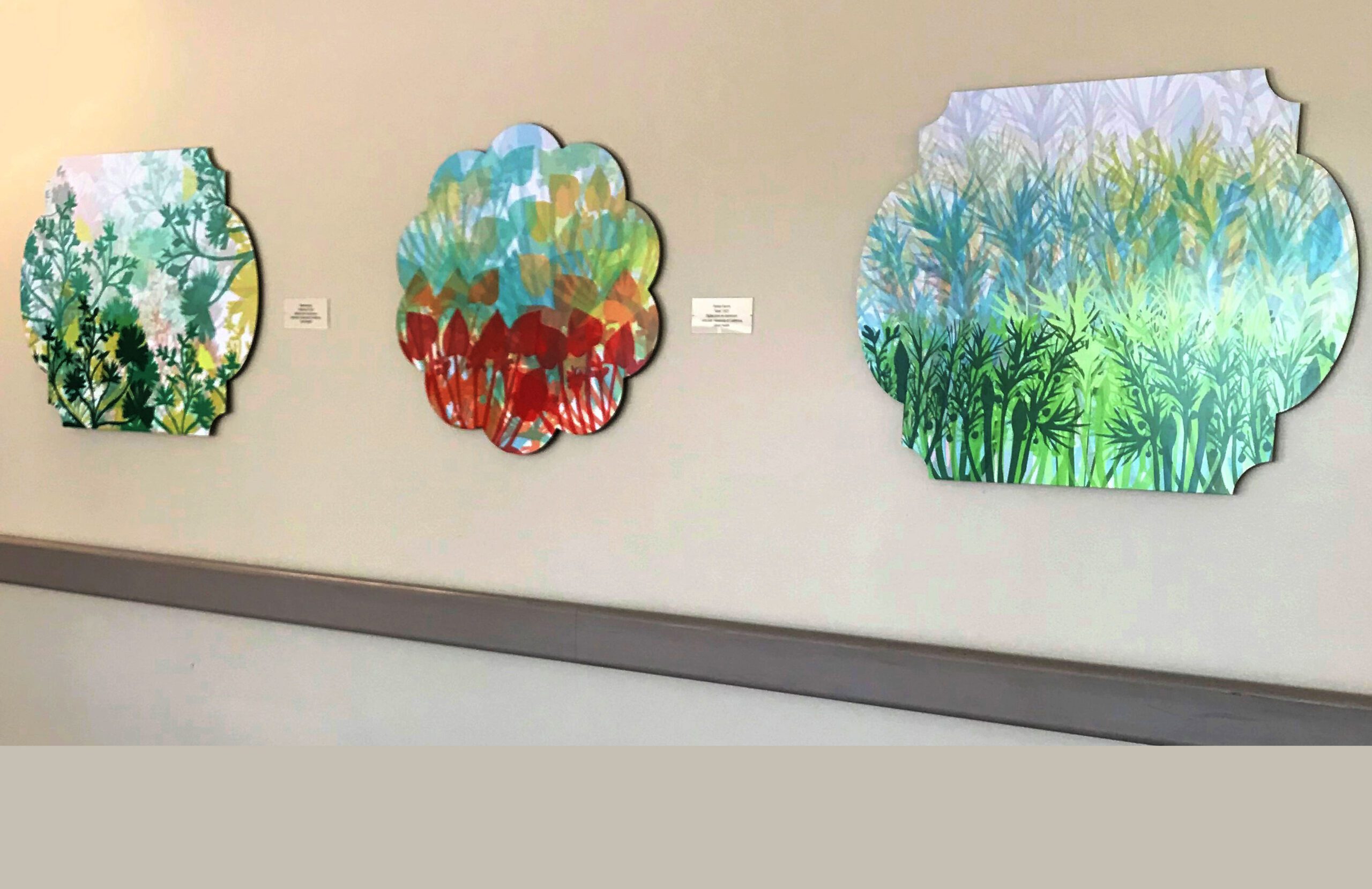
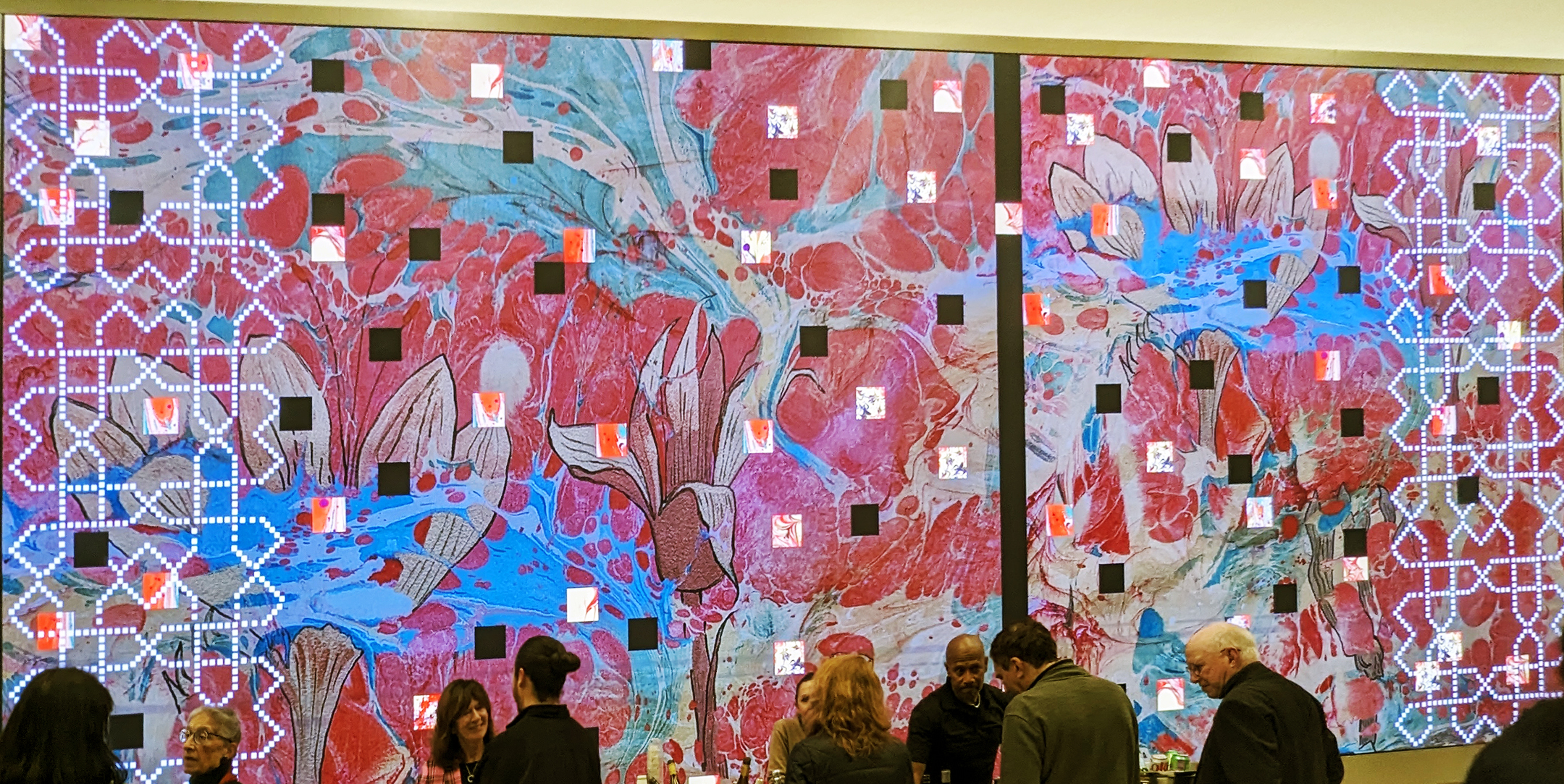
Shifting Horizon is a 4 x 10 ft wall installation composed of medicinal plant silhouettes in varying sizes and species. The plant forms are derived from The Herbal, a 12th-century Andalusian botanical manuscript by physician al-Ghafiqi. The work reflects on medicinal plants as both scientific study and cultural expression, highlighting the historical relationship between humans and healing nature, while also considering today’s reliance on synthetic drugs. Broken lines suggest a “shifting horizon” in our perception of nature and its healing attributes.
Sidereal Messenger
Collection of Stanford University, CA, 2022
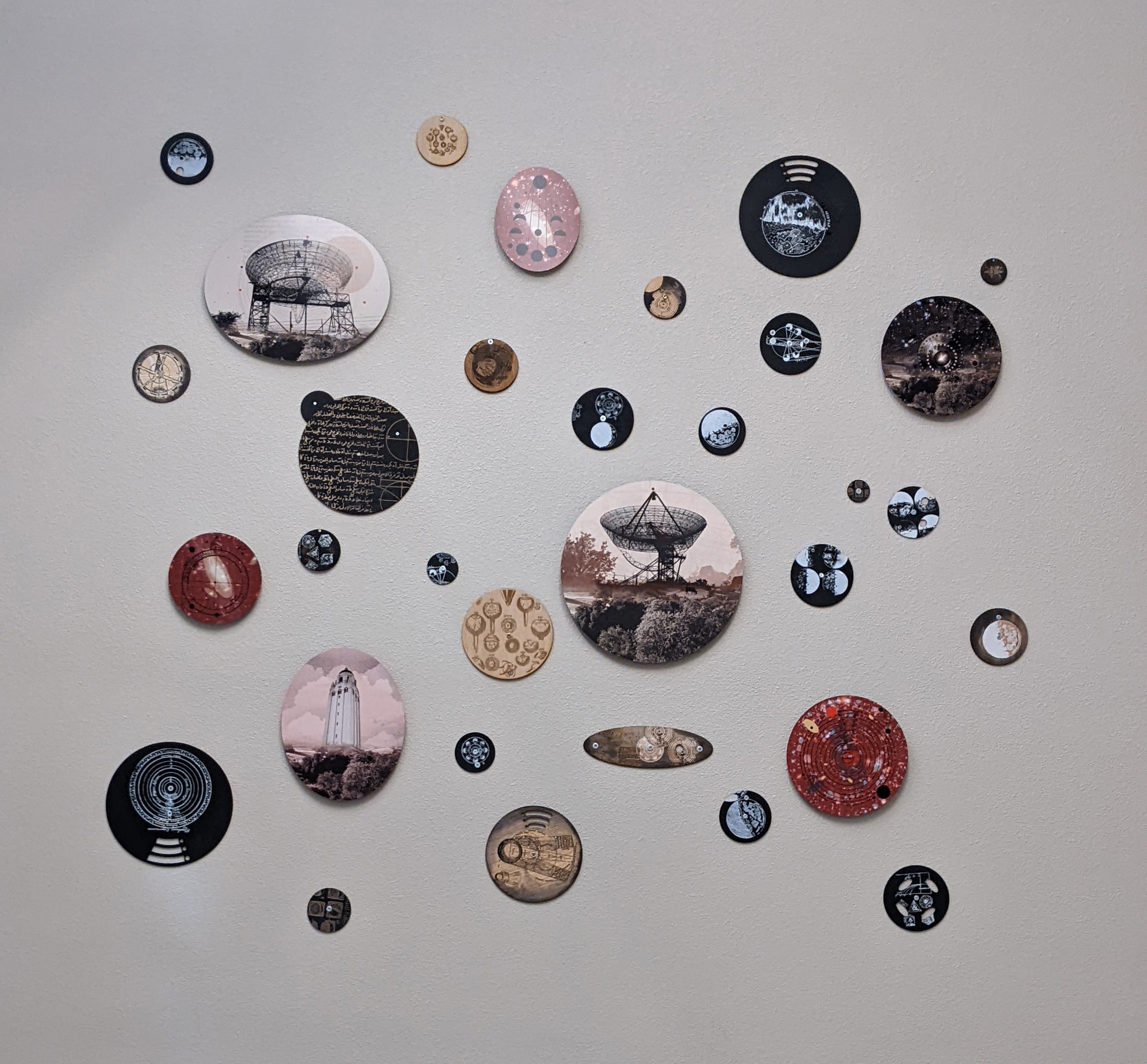
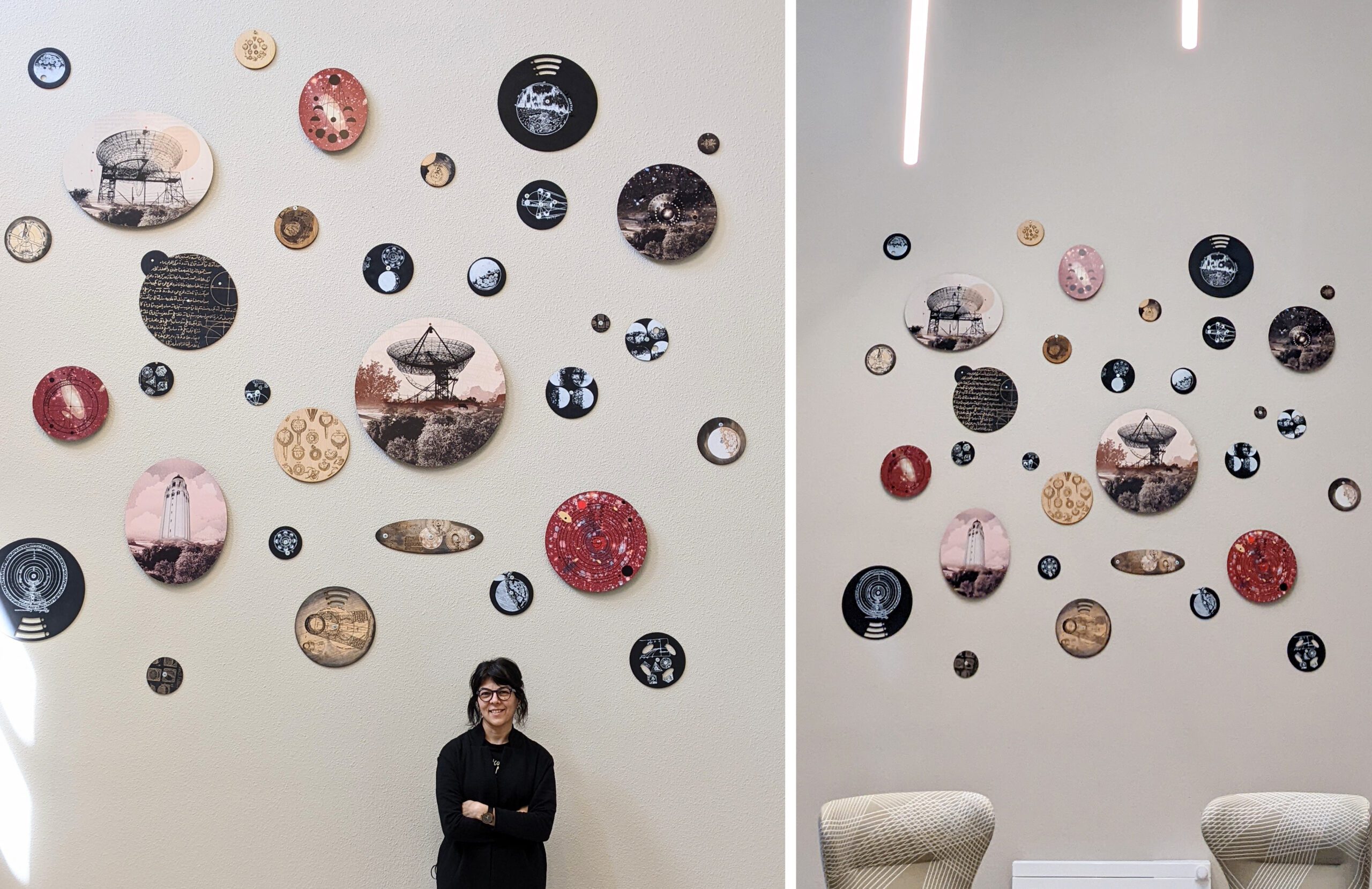
Site-specific commissioned installation, 10 x 10 ft
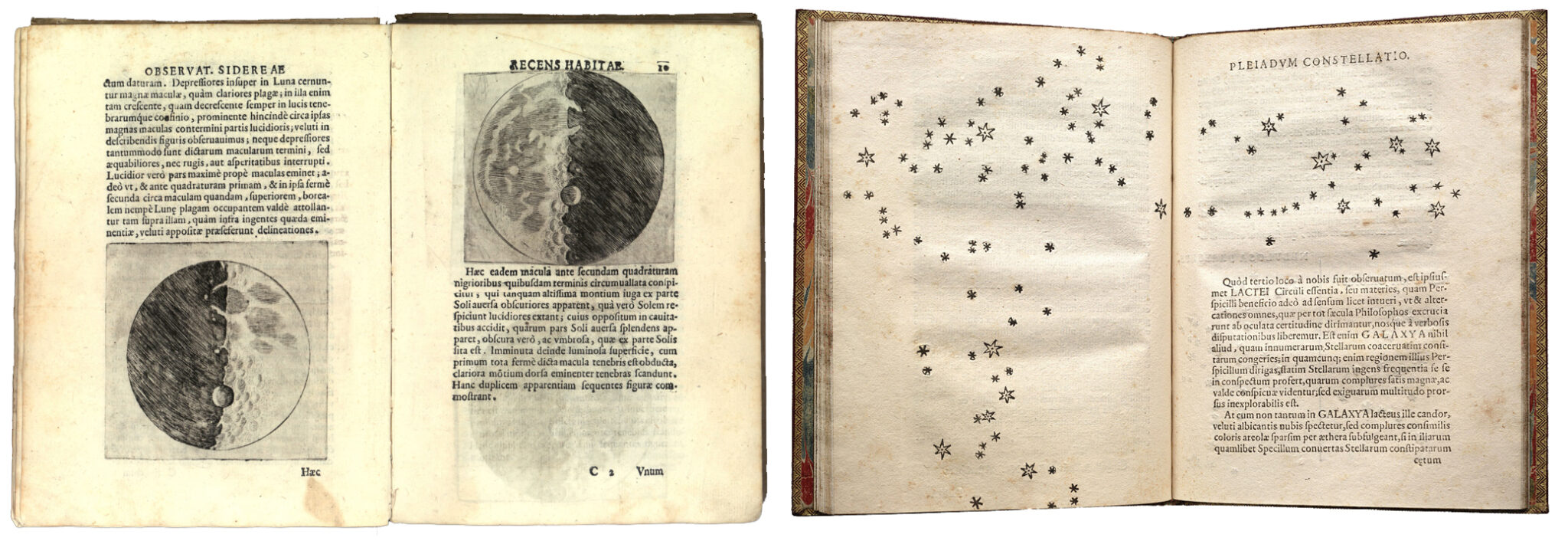
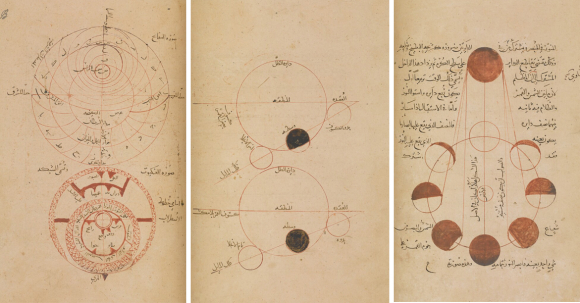
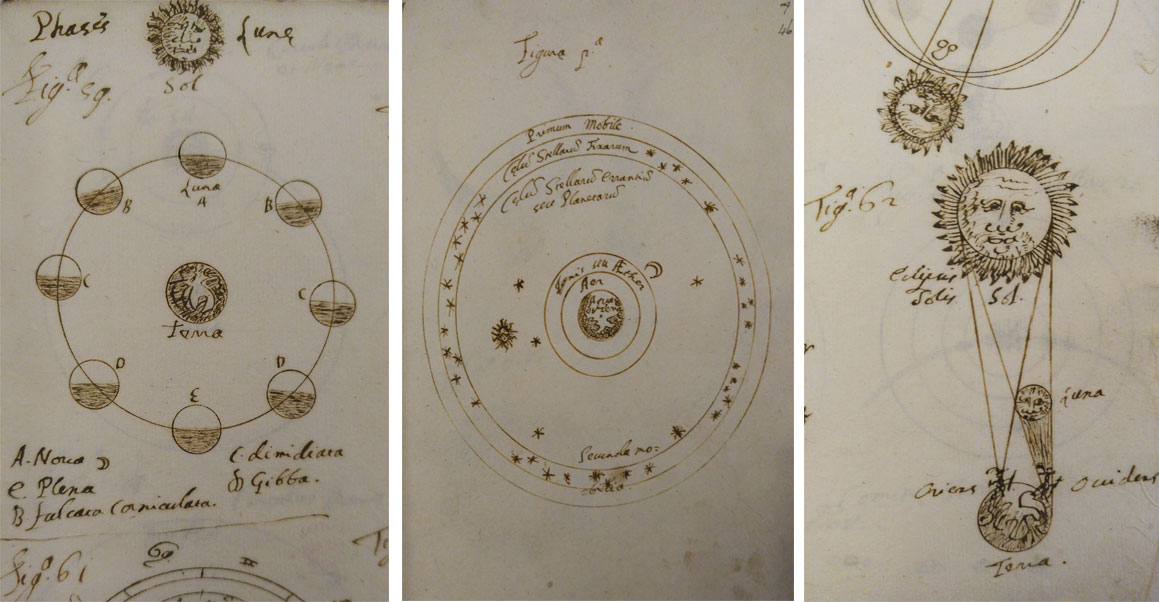
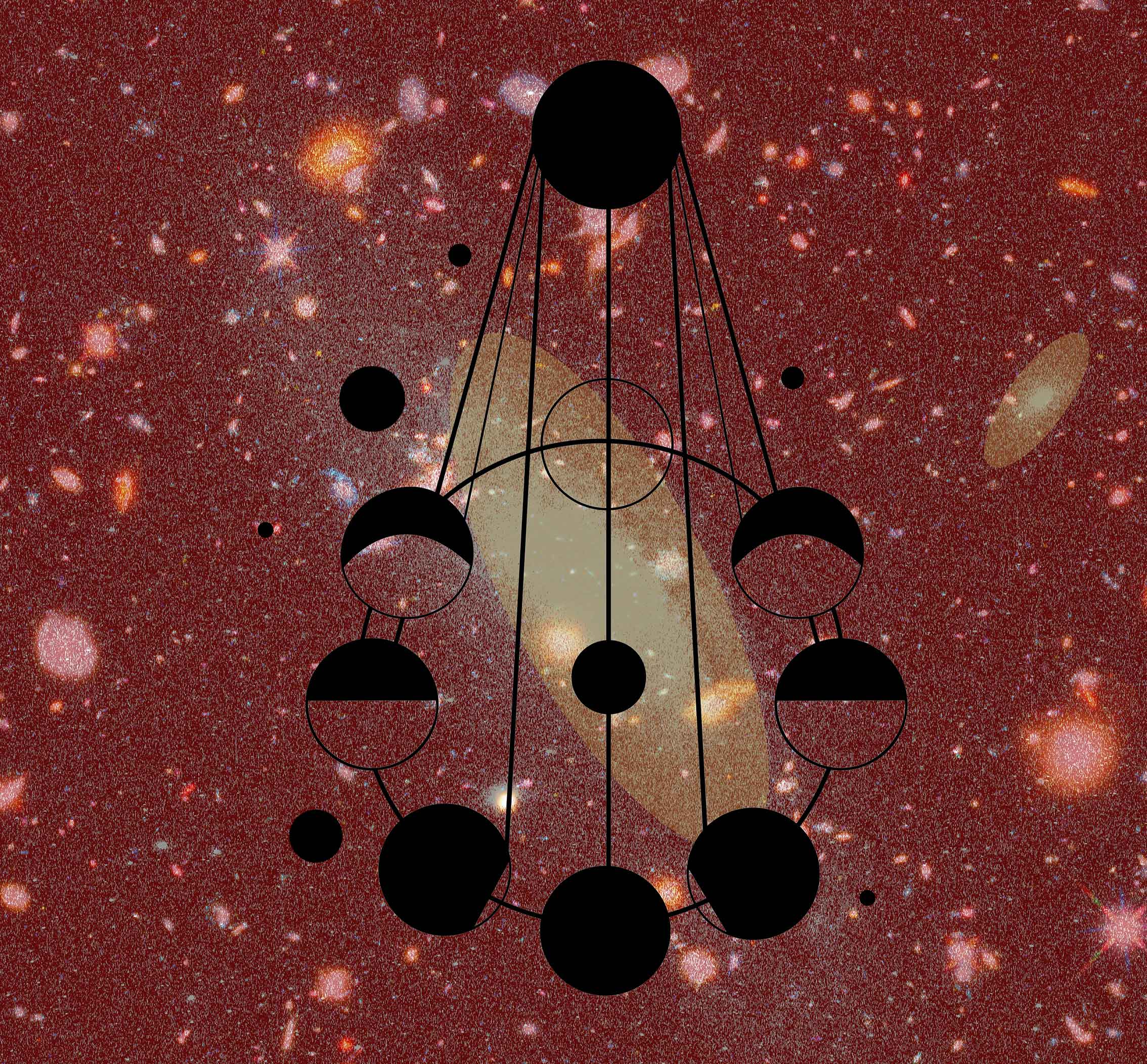
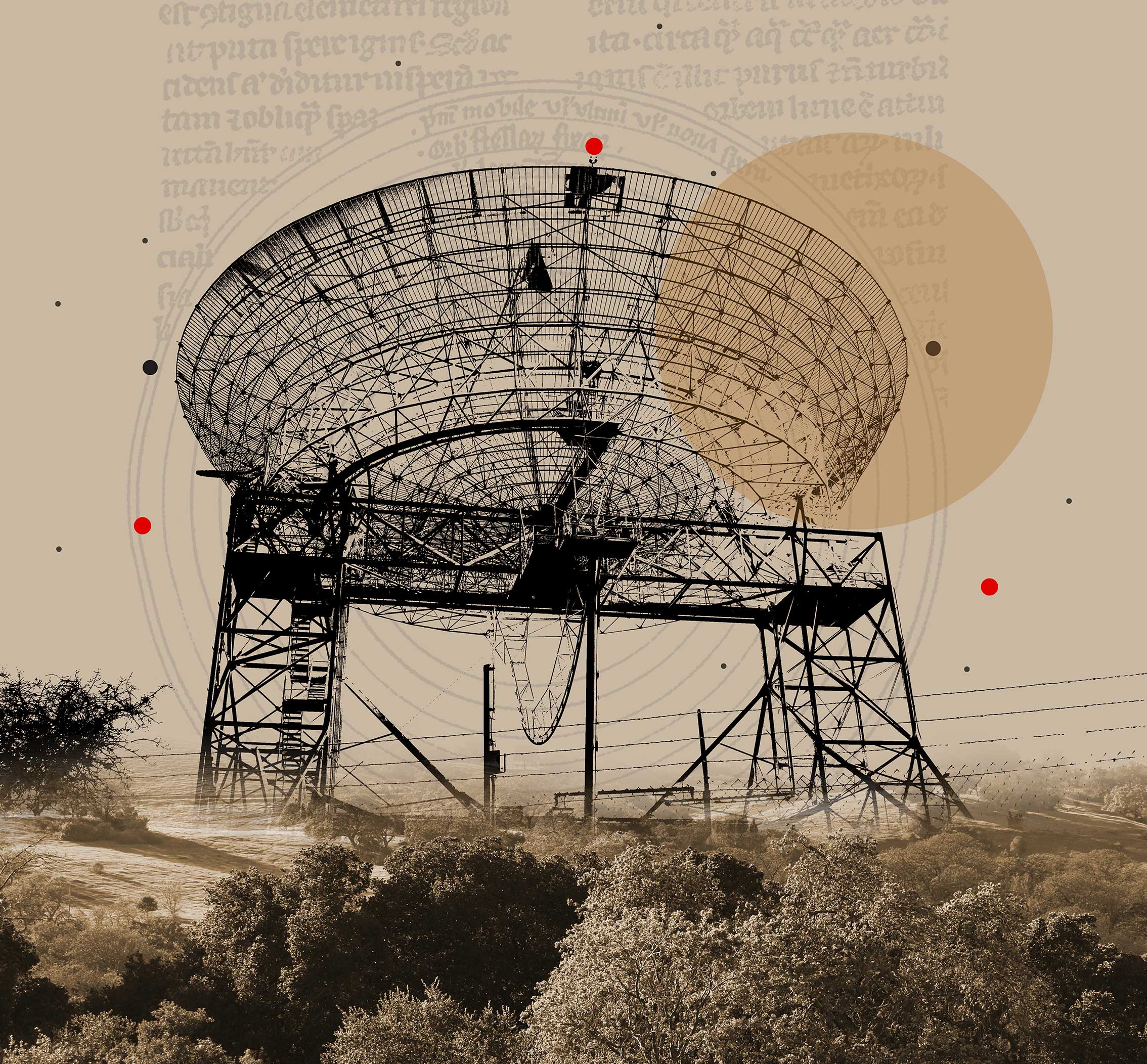
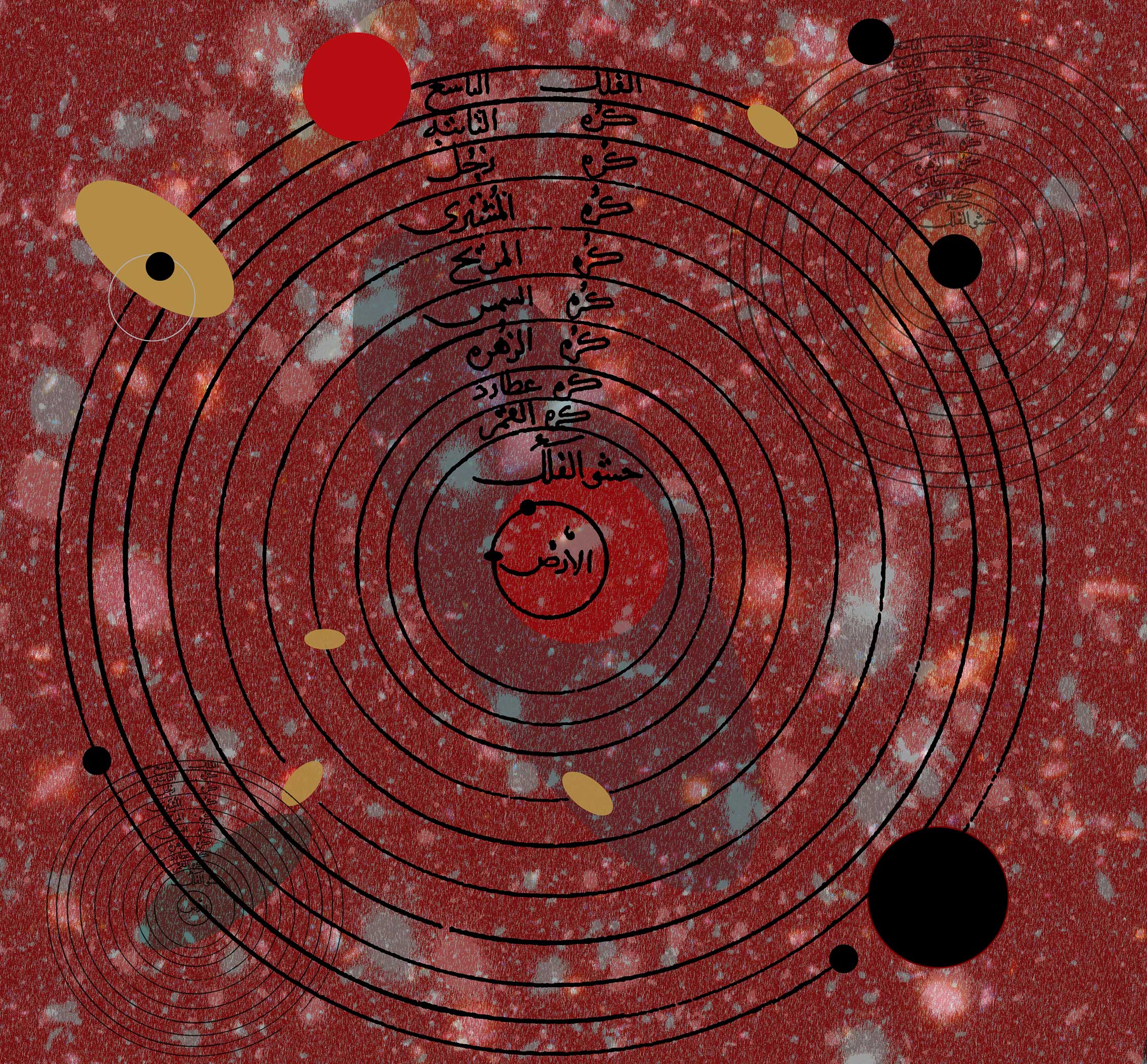
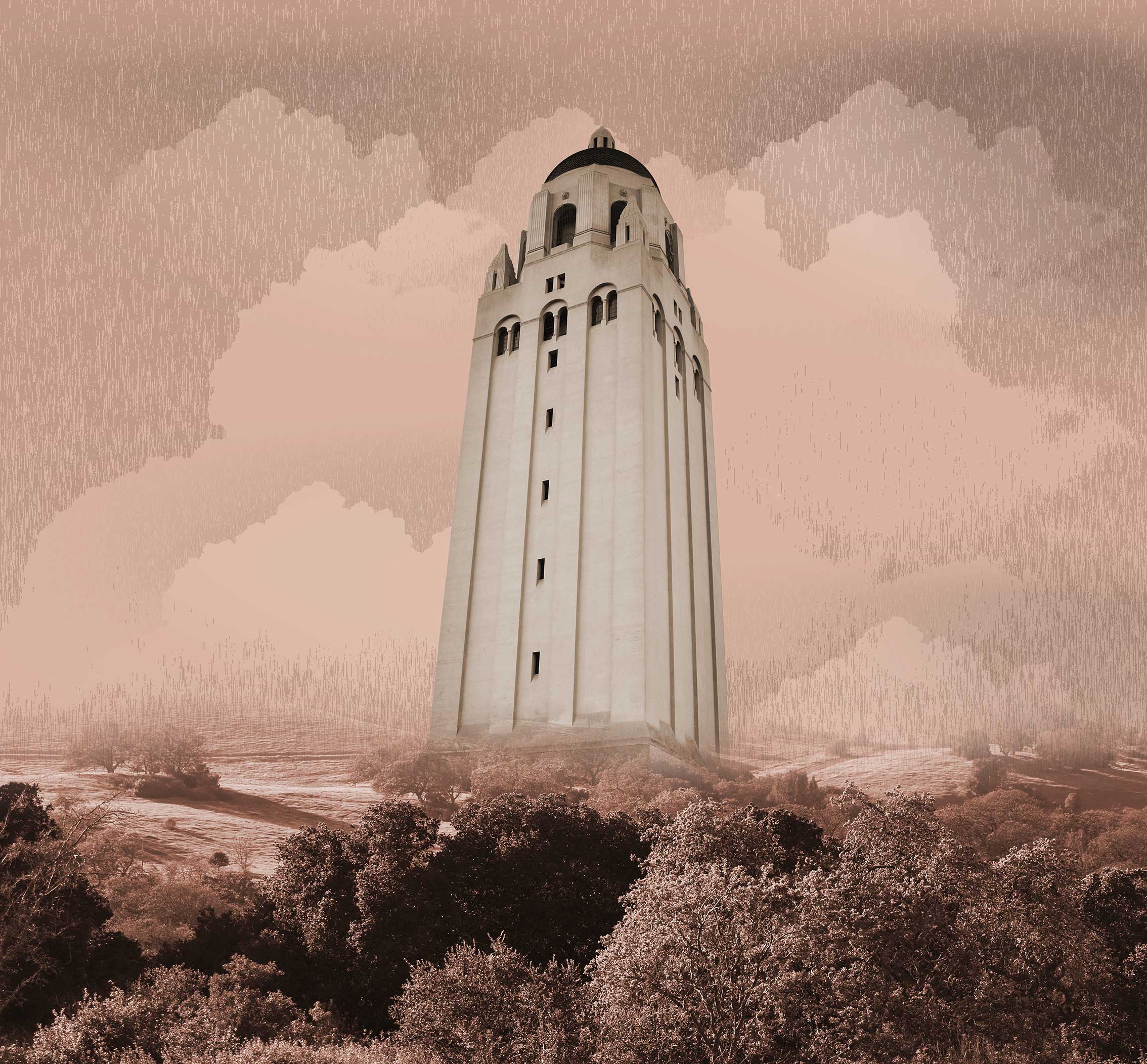
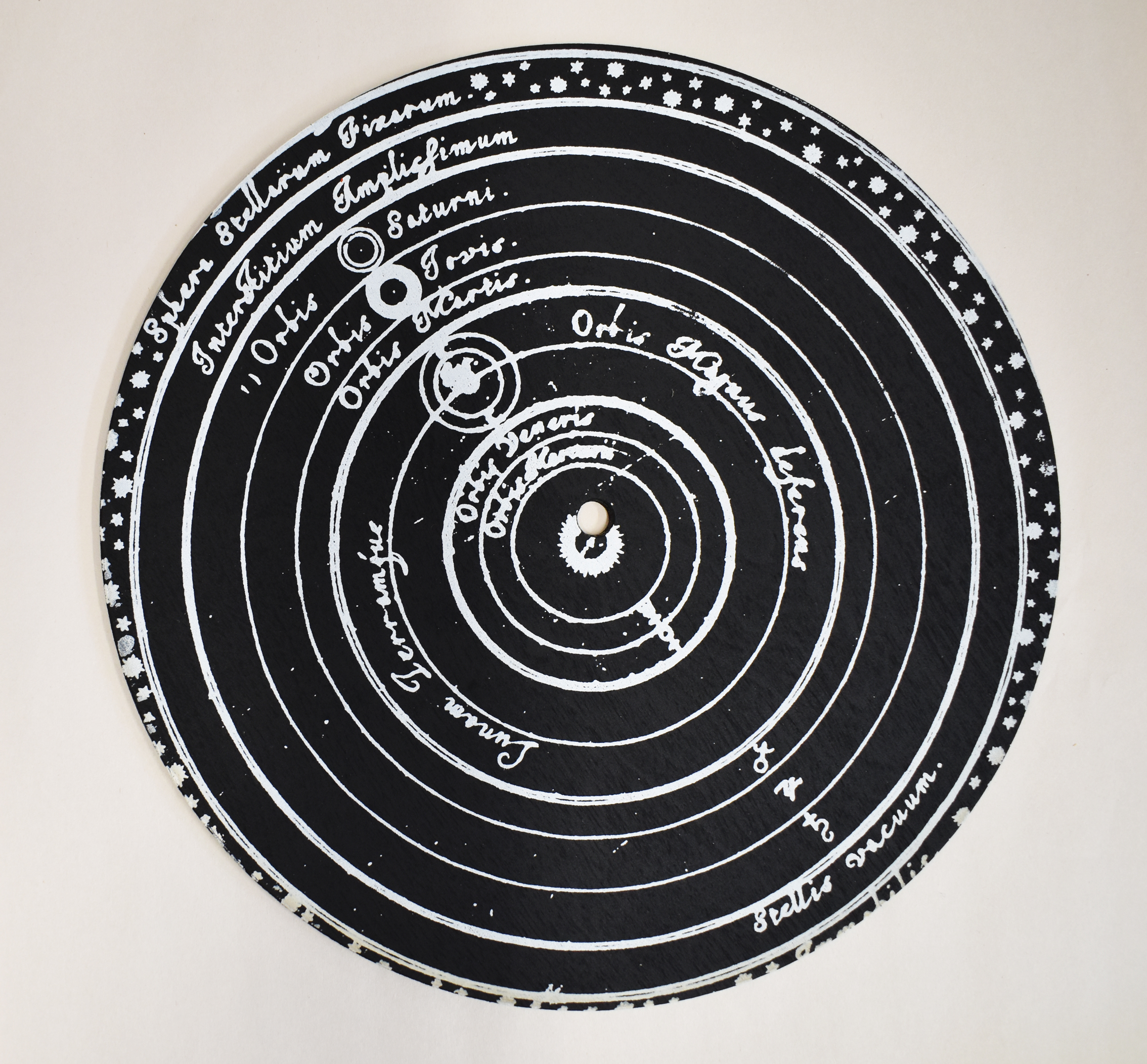
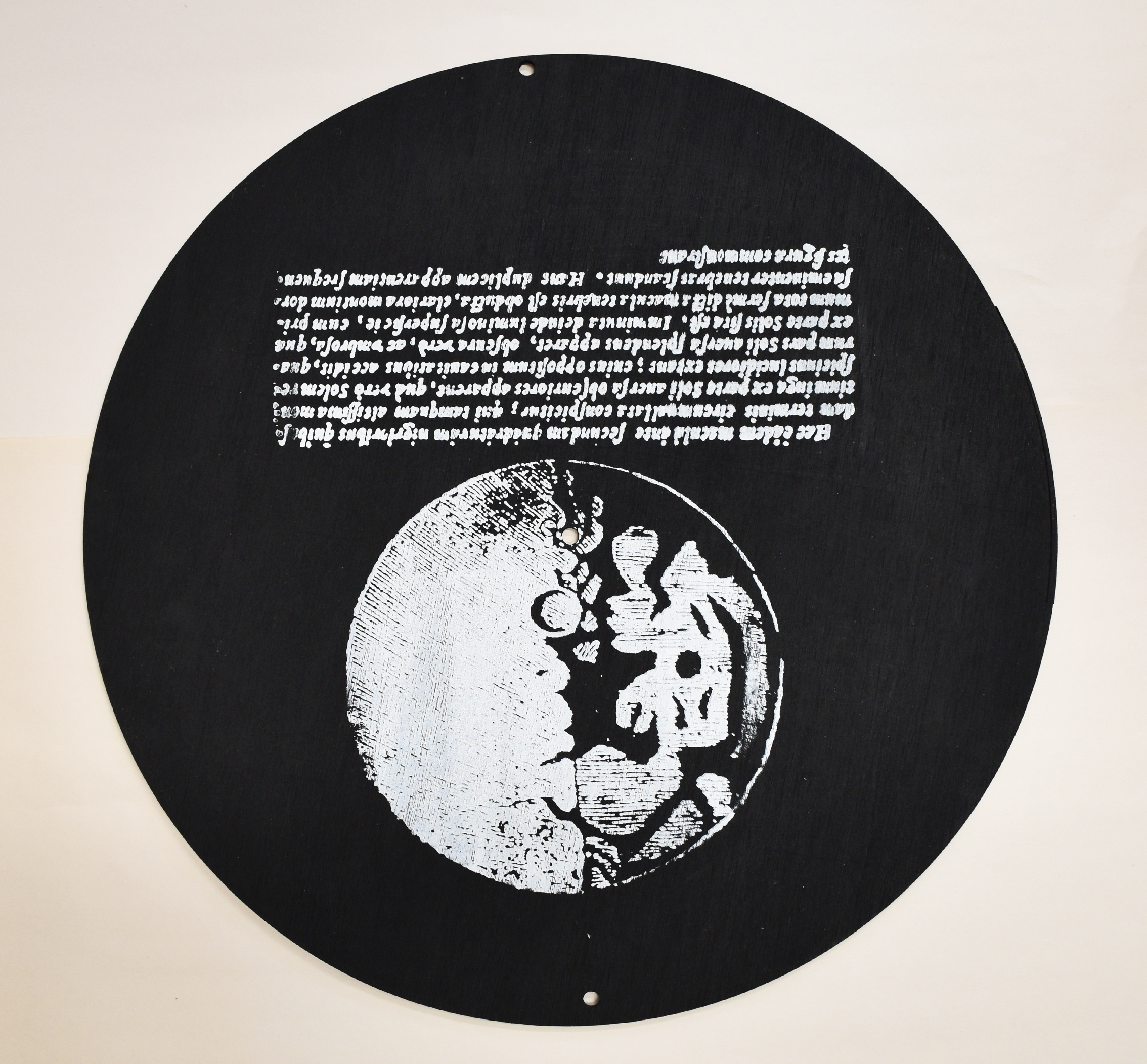
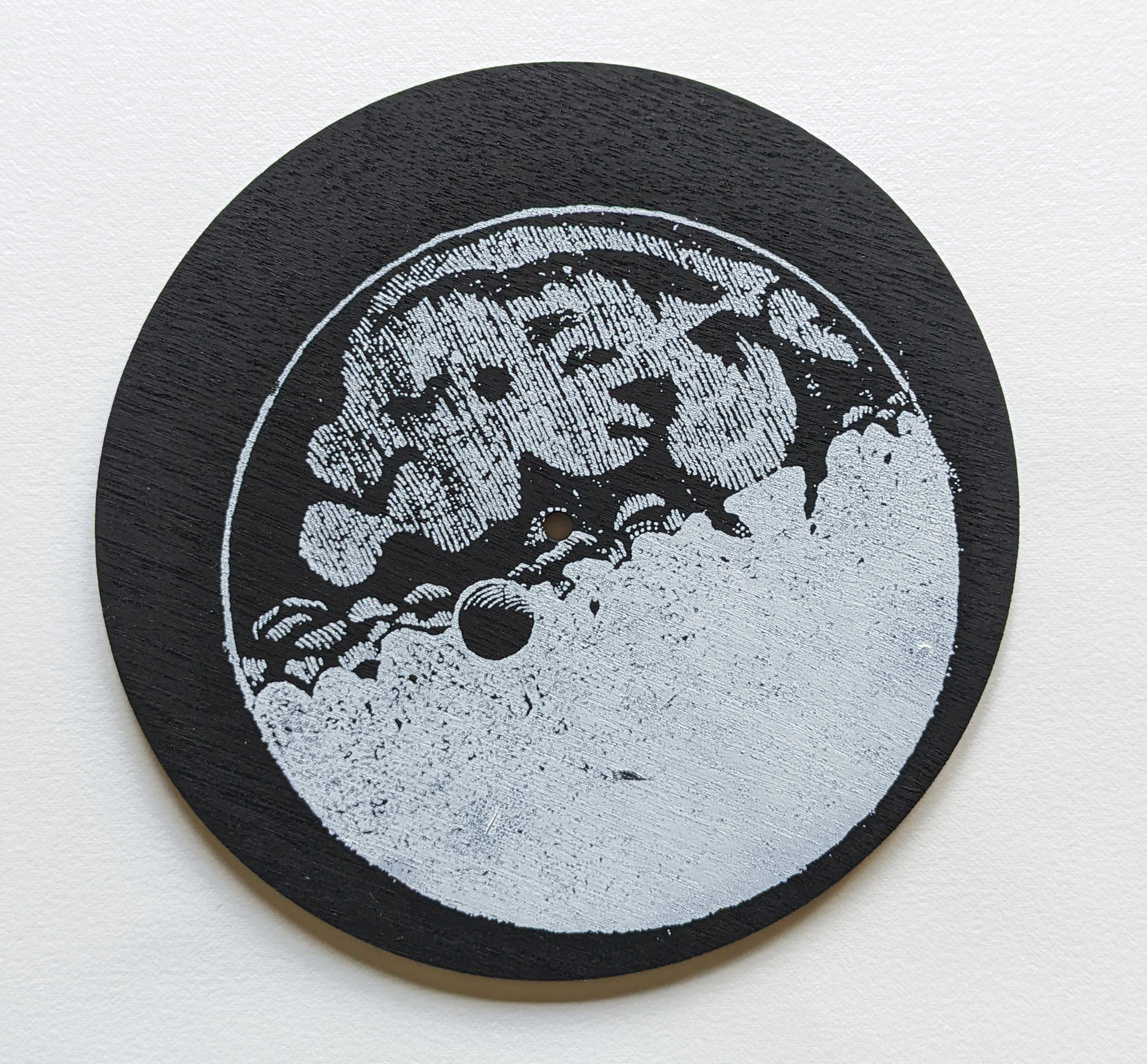
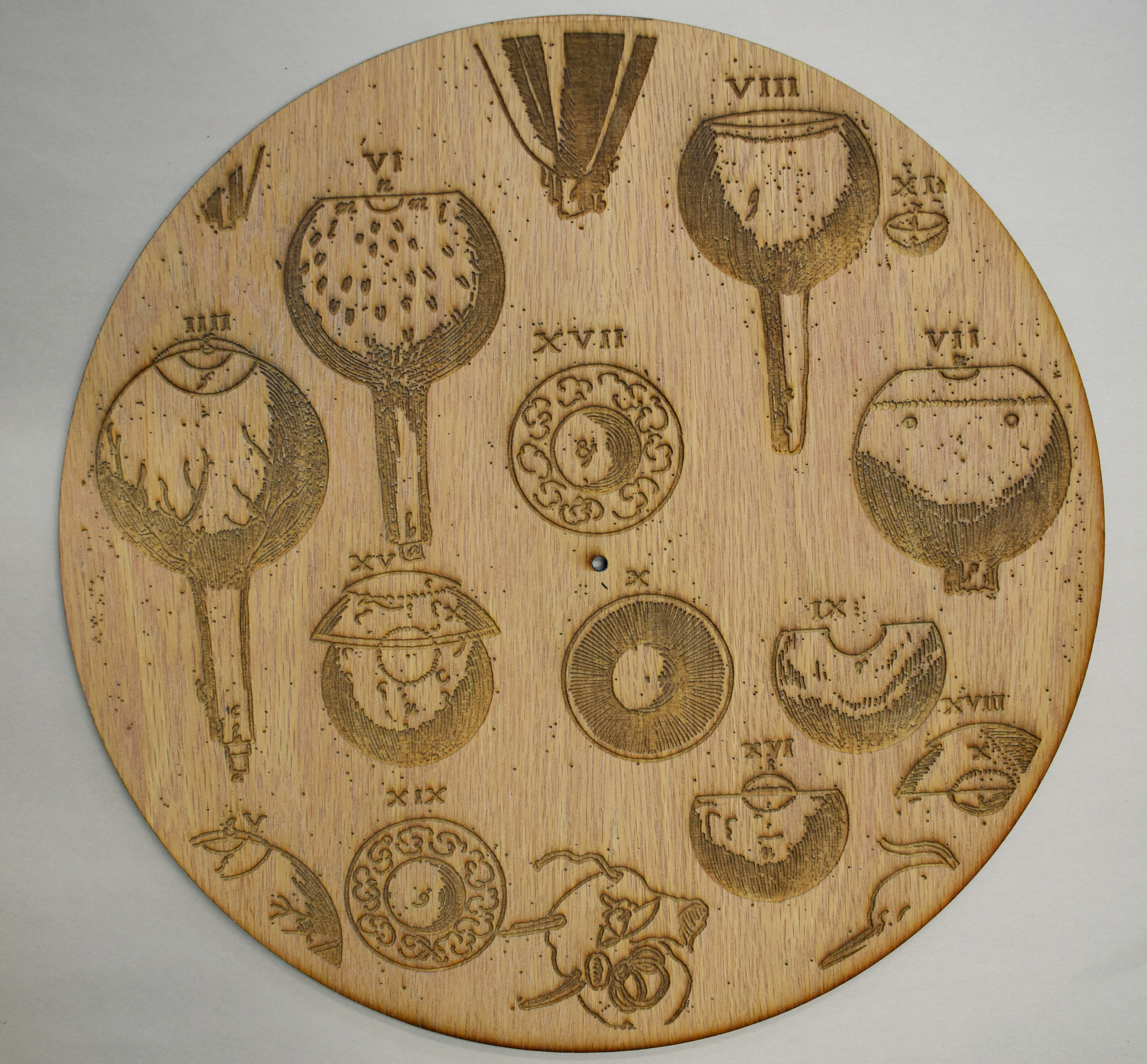
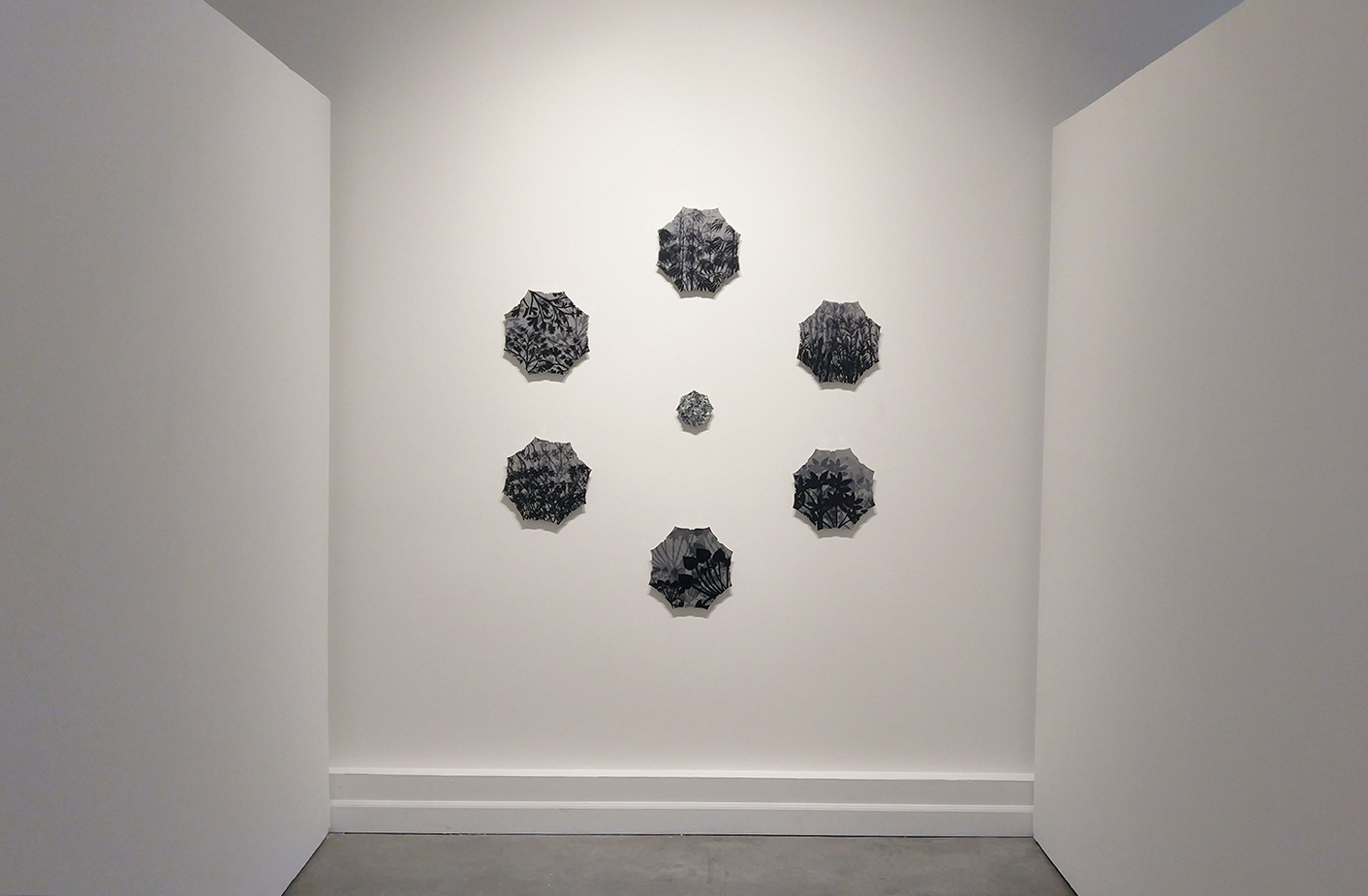
Sidereal Messenger, named after Galileo’s 1610 astronomical treatise, presents a constellation of wooden circles inscribed with textual and visual references to optics and astronomy. It draws from the work of Kepler, Tusi, Biruni, Hunain ibn Ishaq, Copernicus, and Galileo, among others. Commissioned under the theme of Research, the installation combines twenty-five wooden circular forms (2017) with seven aluminum components (2022) that reference Stanford University’s landscape and research fields in astrophysics and cosmology. These include imagery inspired by the Dish, SLAC, and Hoover Tower. The work was installed in May 2022 at Graduate Residences, Building B, on the Stanford University campus.



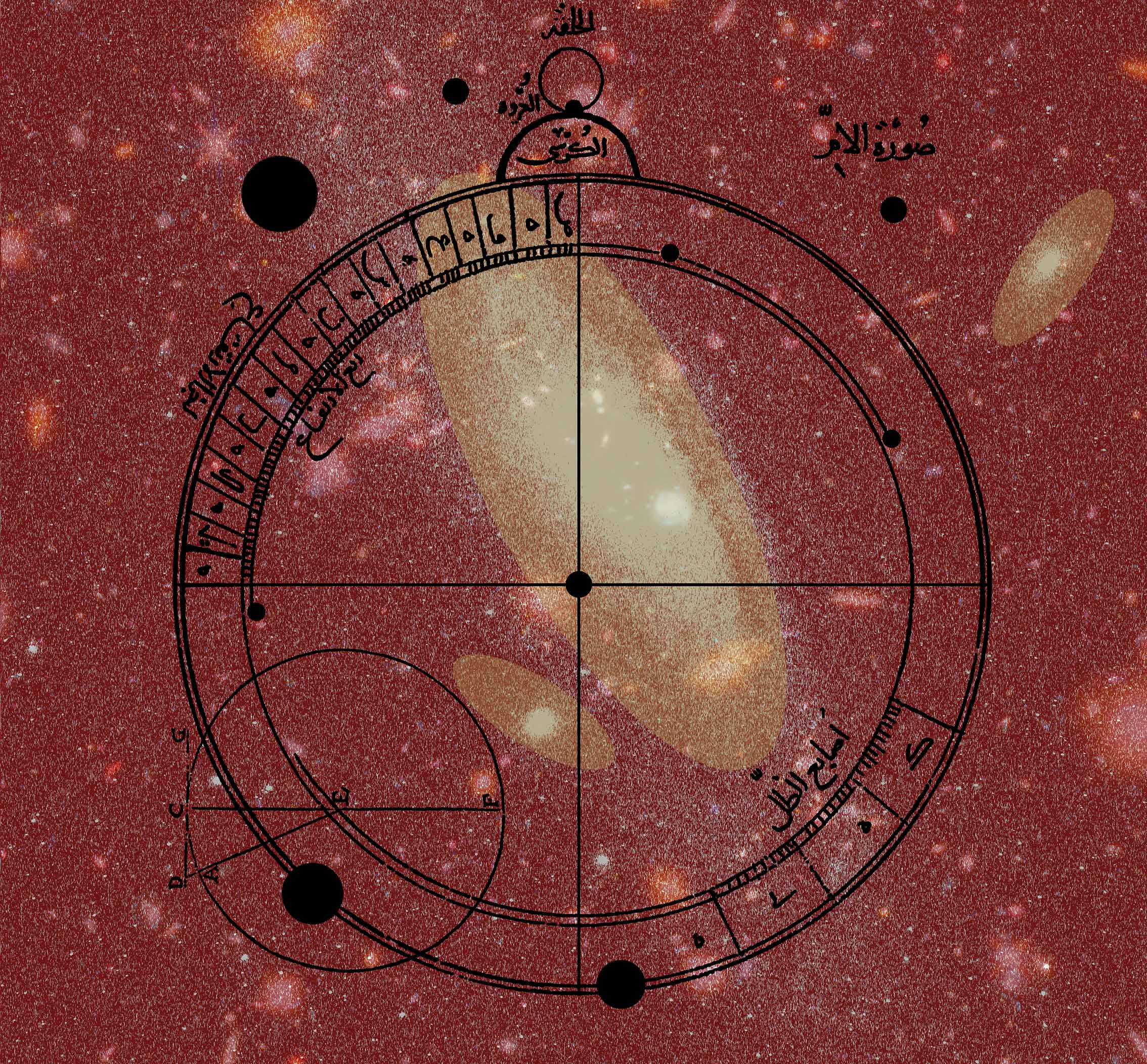
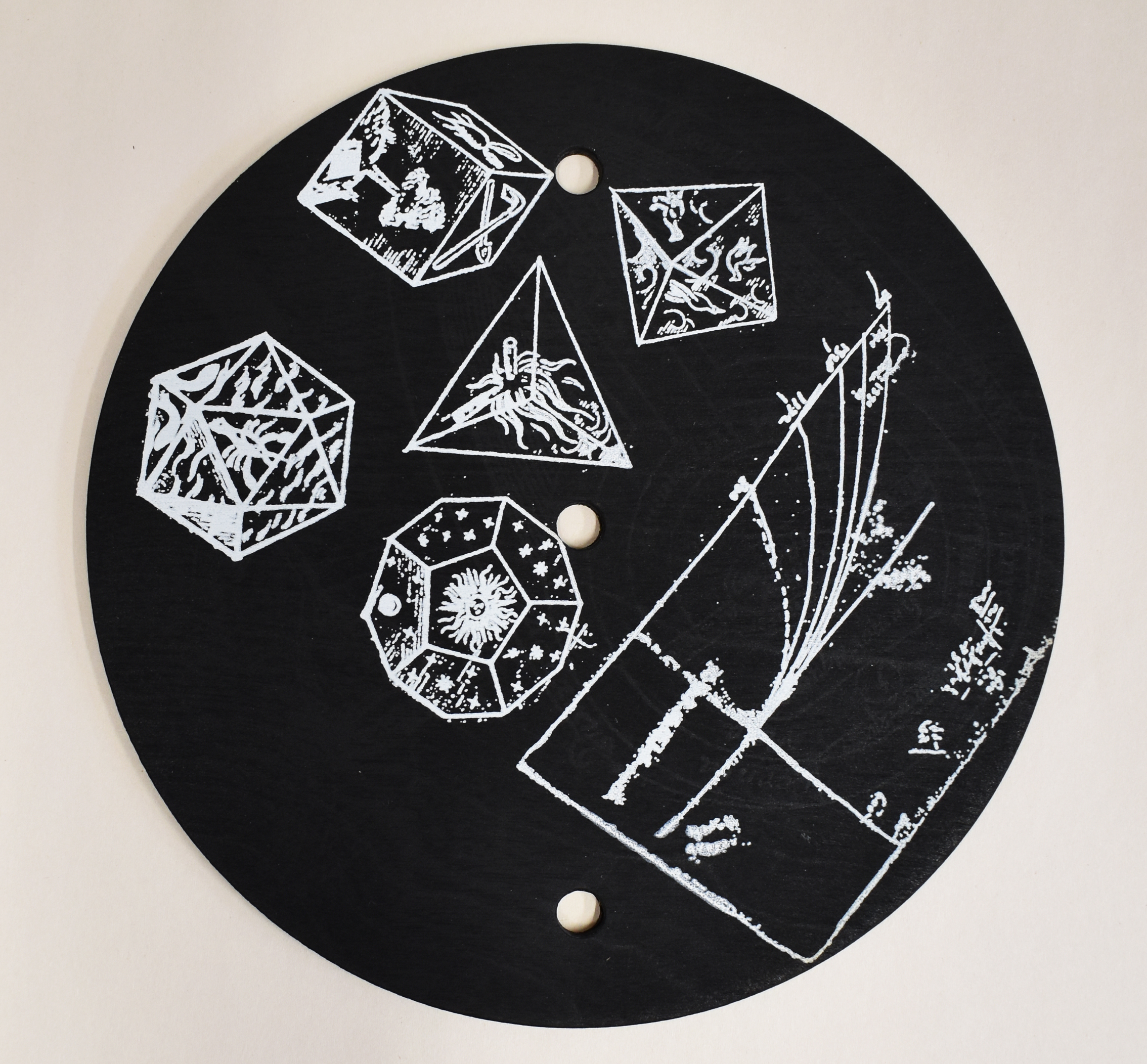
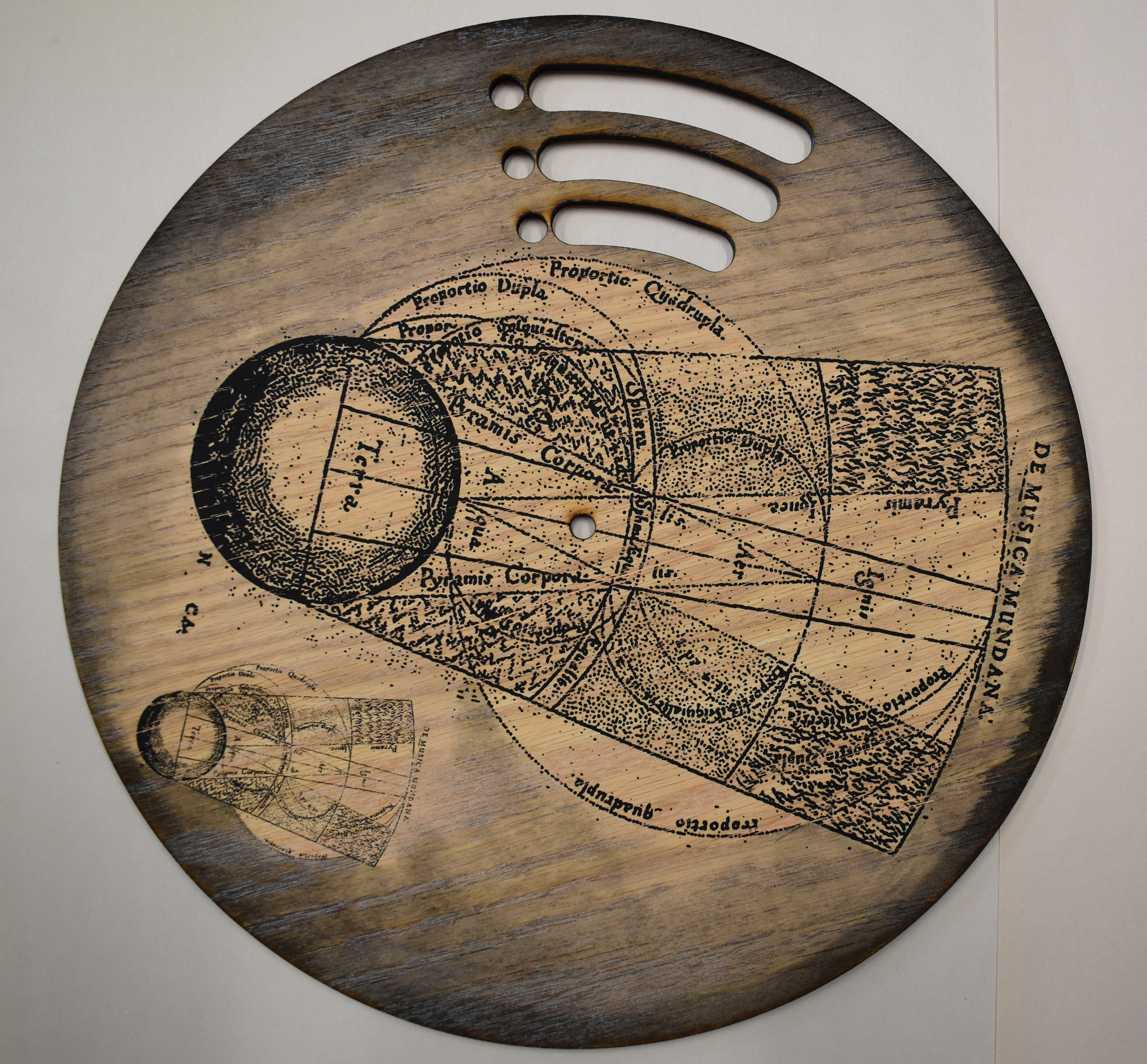
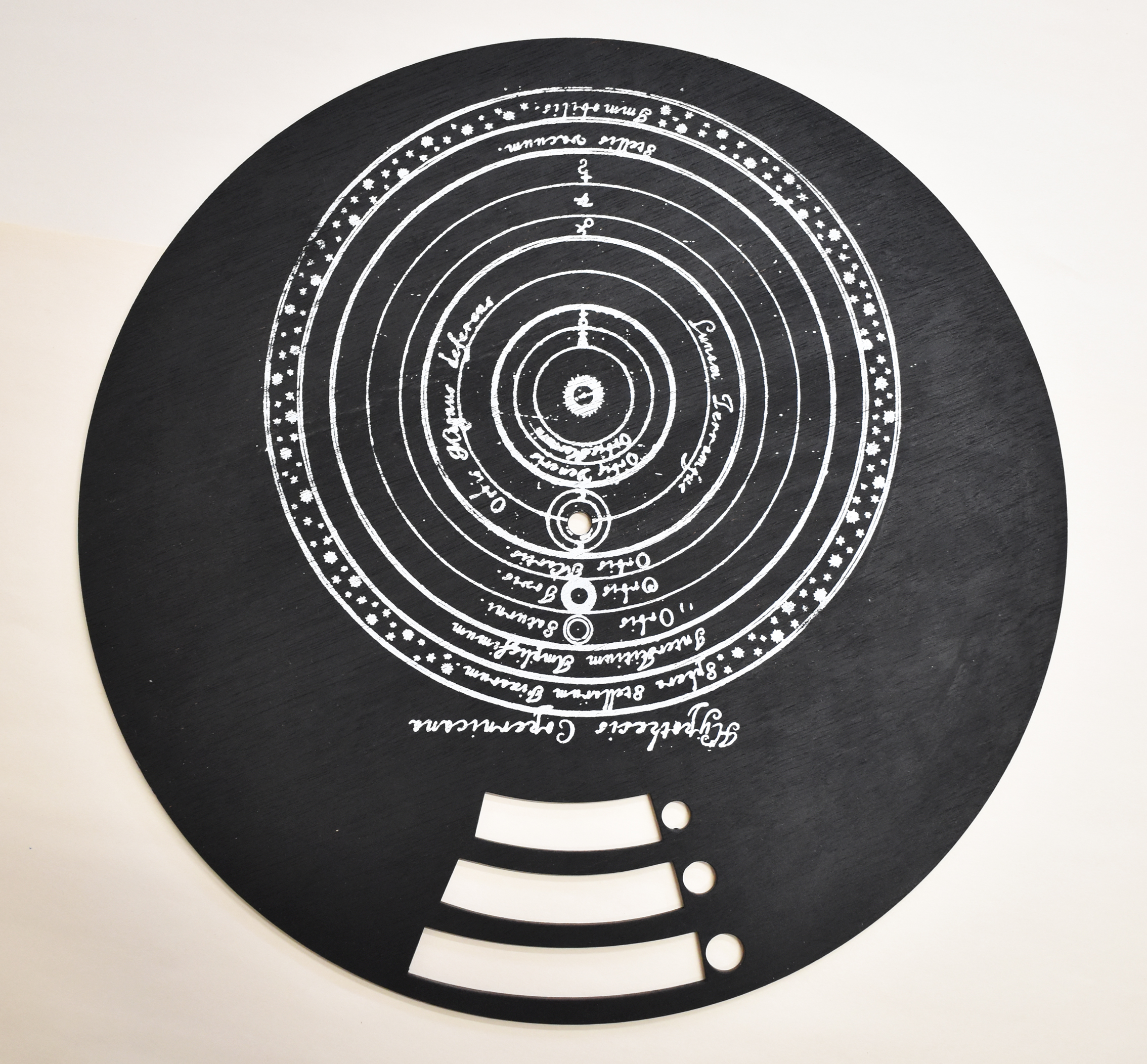
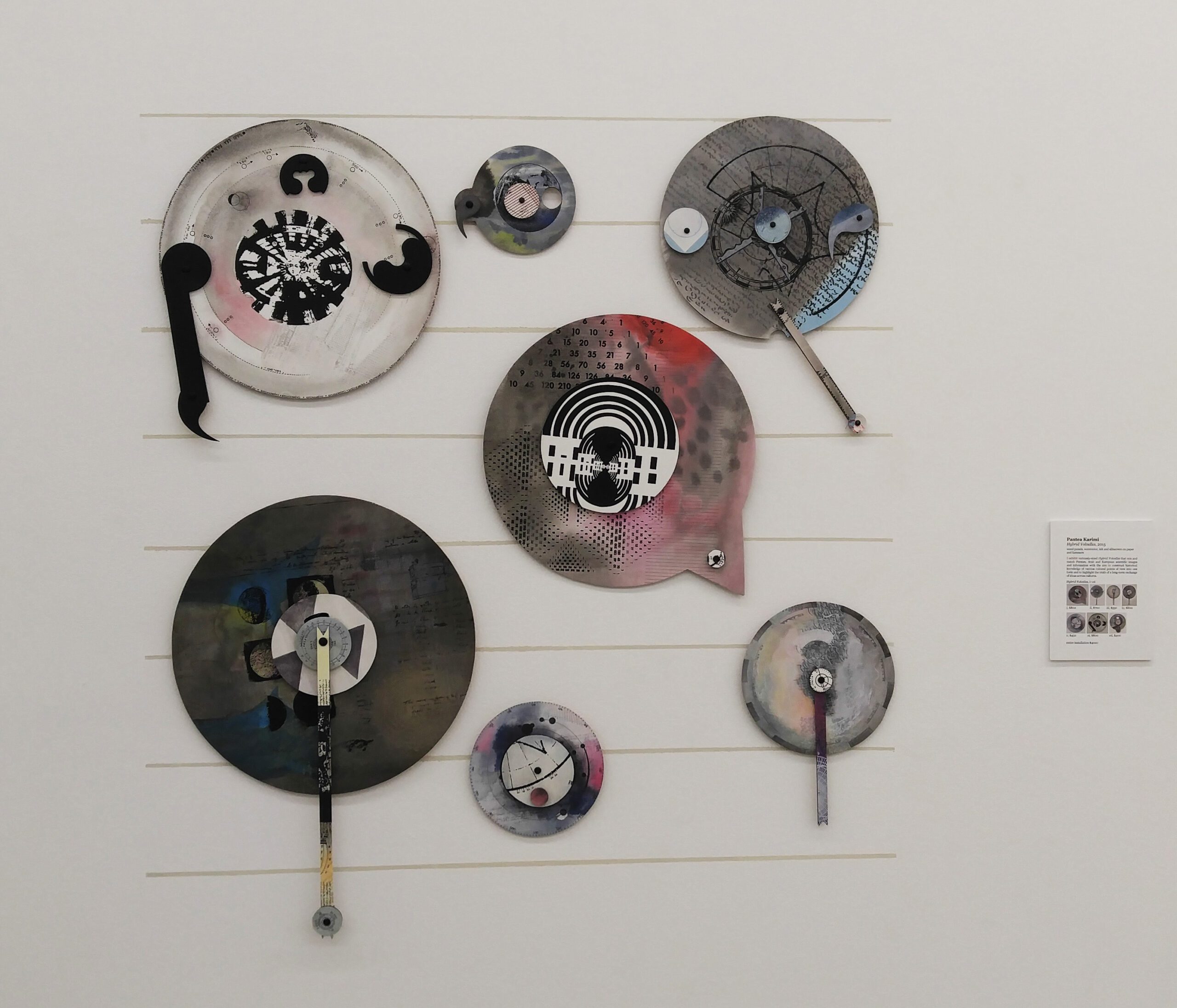
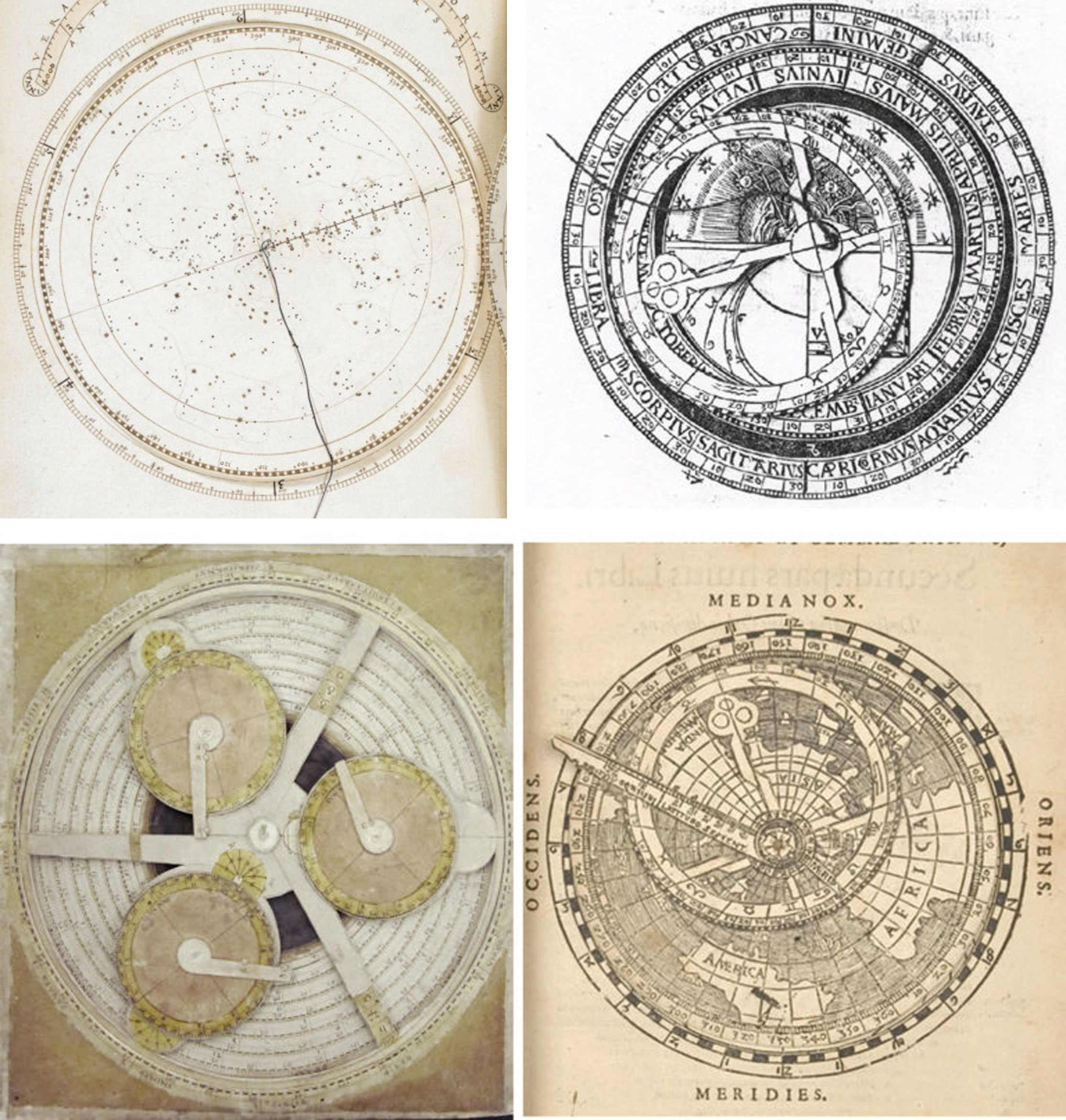
Medieval Gadgets, Hybrid Volvelles, 2015
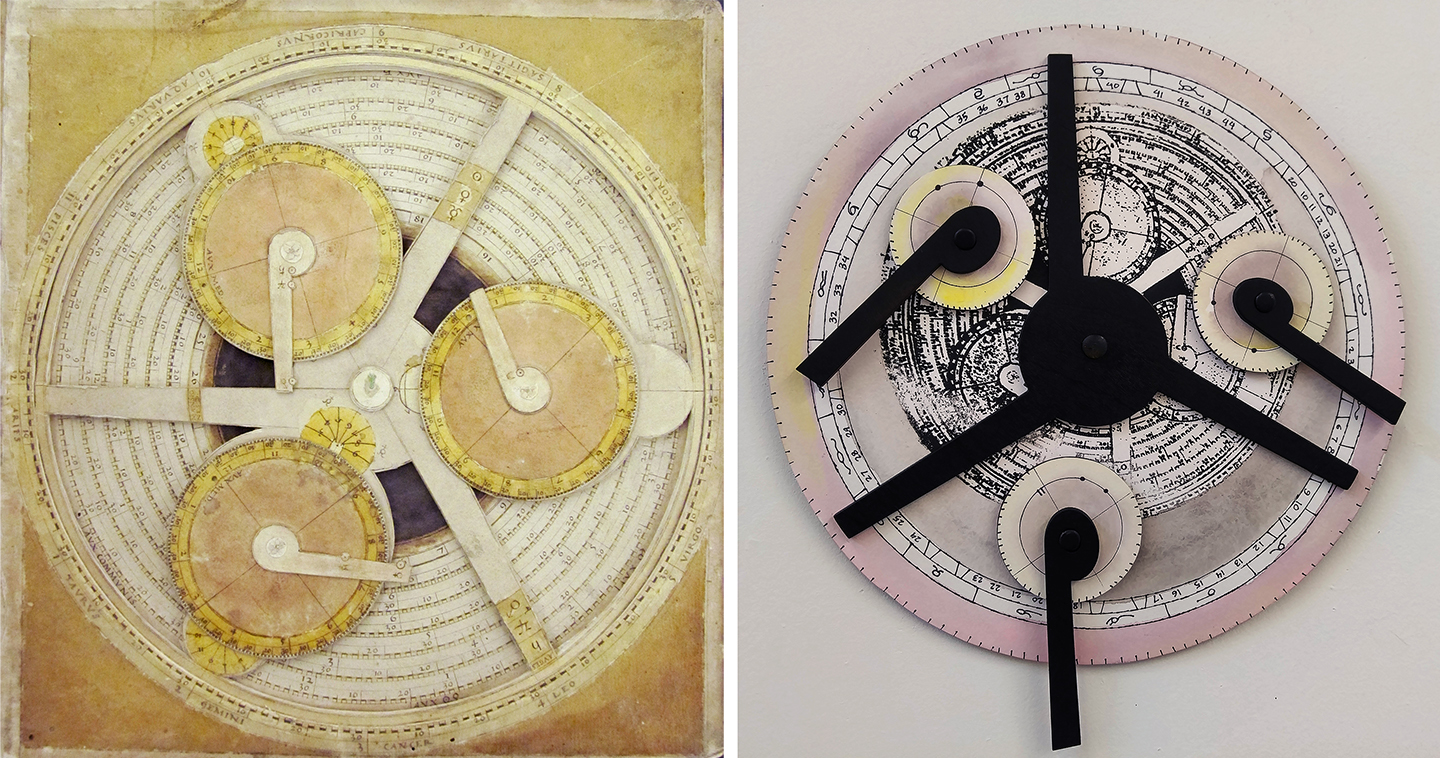
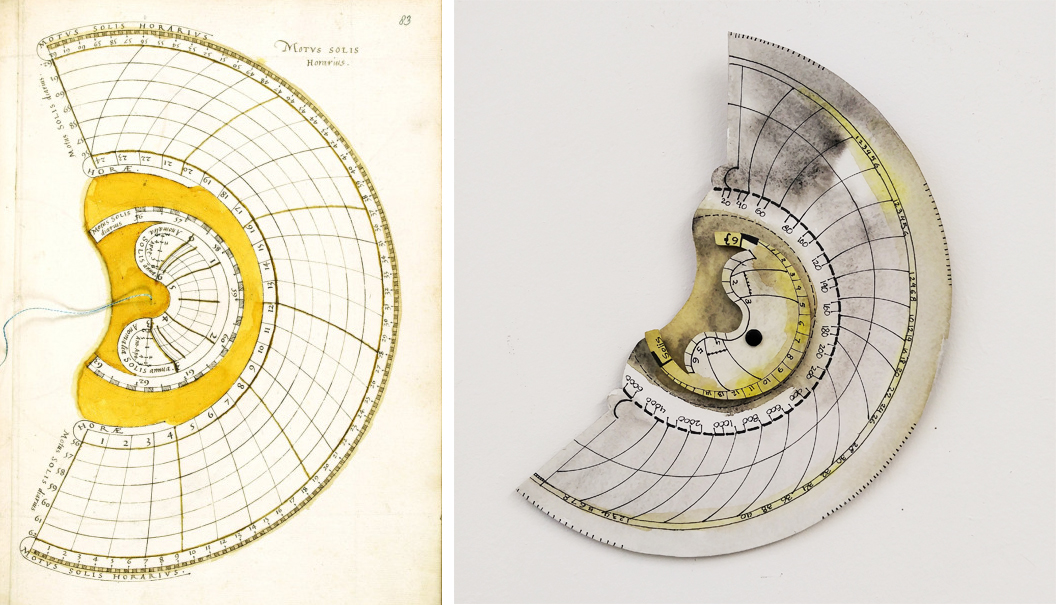
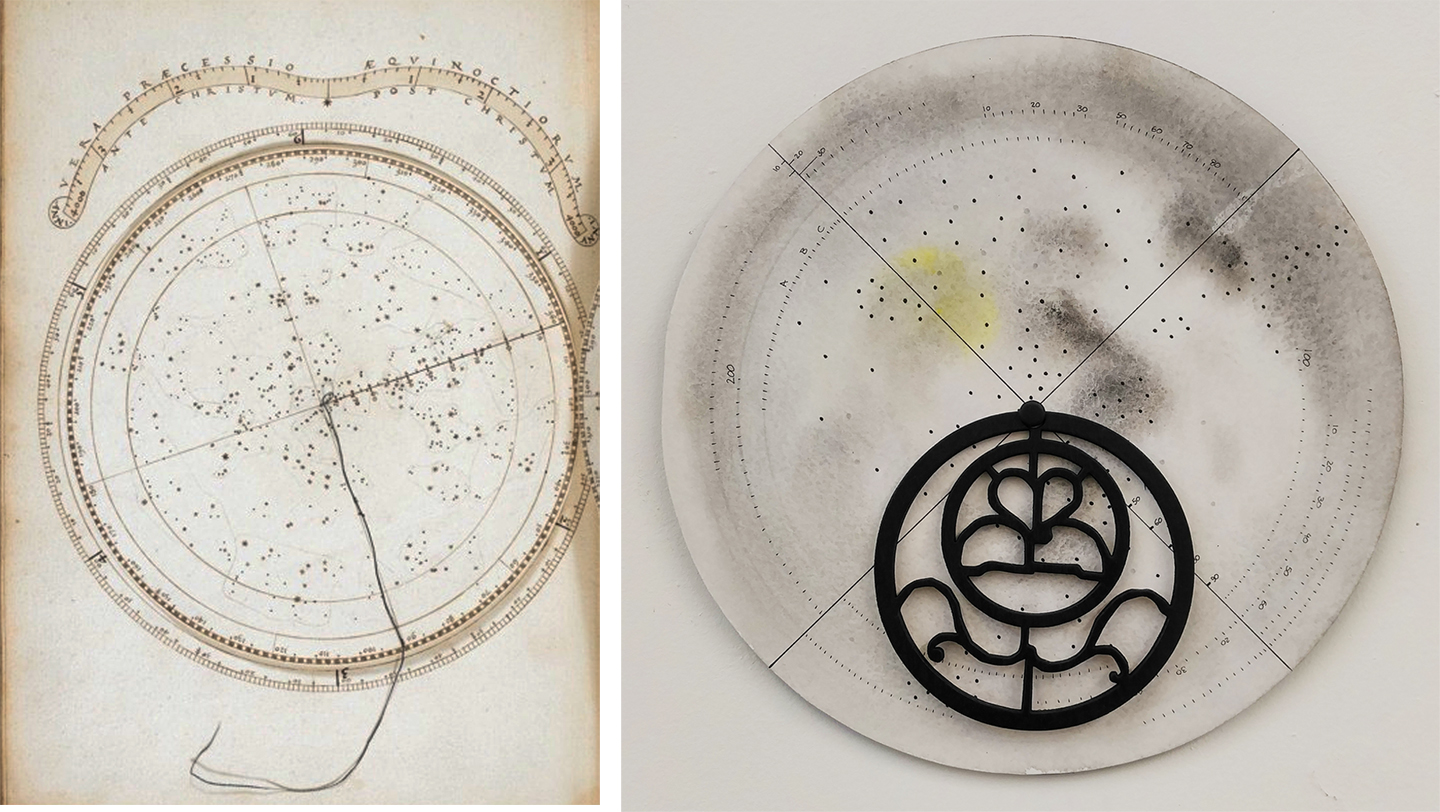
Volvelles are the first paper analog computers from the medieval period, which were made by hand and installed inside the scientific manuscripts to offer different astronomical calculations and to make the manuscripts interactive. The original volvelles used circle shapes fastened to a leaf in the center, which held various layers in place so that the discs could spin independently.
I create Hybrid Volvelles in various sizes, composed of geometric shapes rendered with silkscreen, ink, and watercolor on paper disks. These disks are assembled onto wood panels and connected with fasteners and hangers at the back, presenting them as sculptural objects but not calculator gadgets.
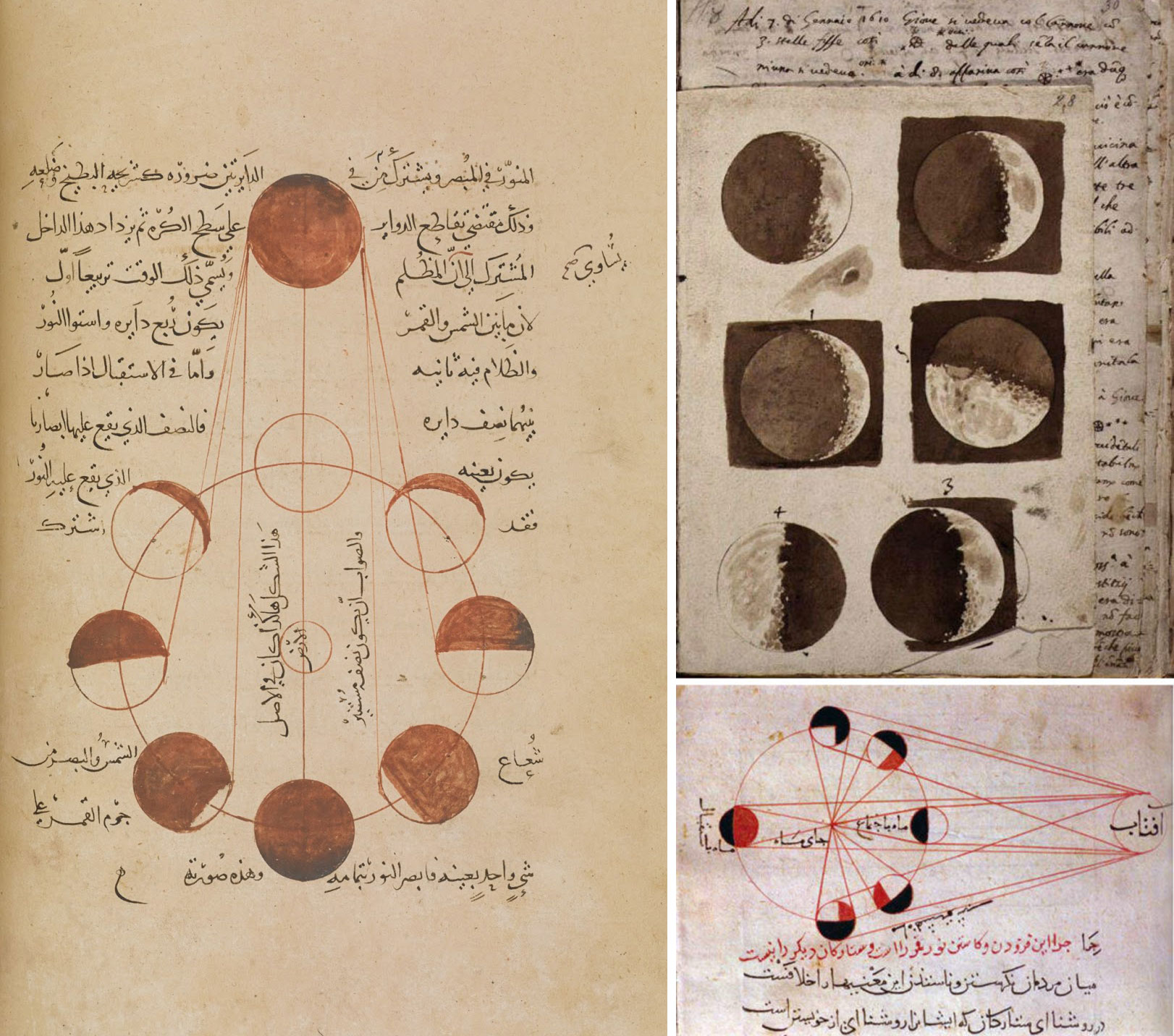
In some works, I draw direct inspiration from original volvelles; in others, I combine and reinterpret early modern scientific imagery and knowledge from Persian, Arab, and European sources. I aim to construct a layered historical perspective that brings together multiple cultural viewpoints in a single form. For example, in one volvelle, I juxtaposed a manuscript page of Galileo’s lunar observations with an 11th-century moon diagram by the Persian astronomer Biruni.
My Hybrid Volvelles hang on the wall like “flat sculptures.” Some of these volvelles are in private collections.
Sizes range from 6×6 and 8×8 inches to 12×12, 18×18, and 24×24 inches.









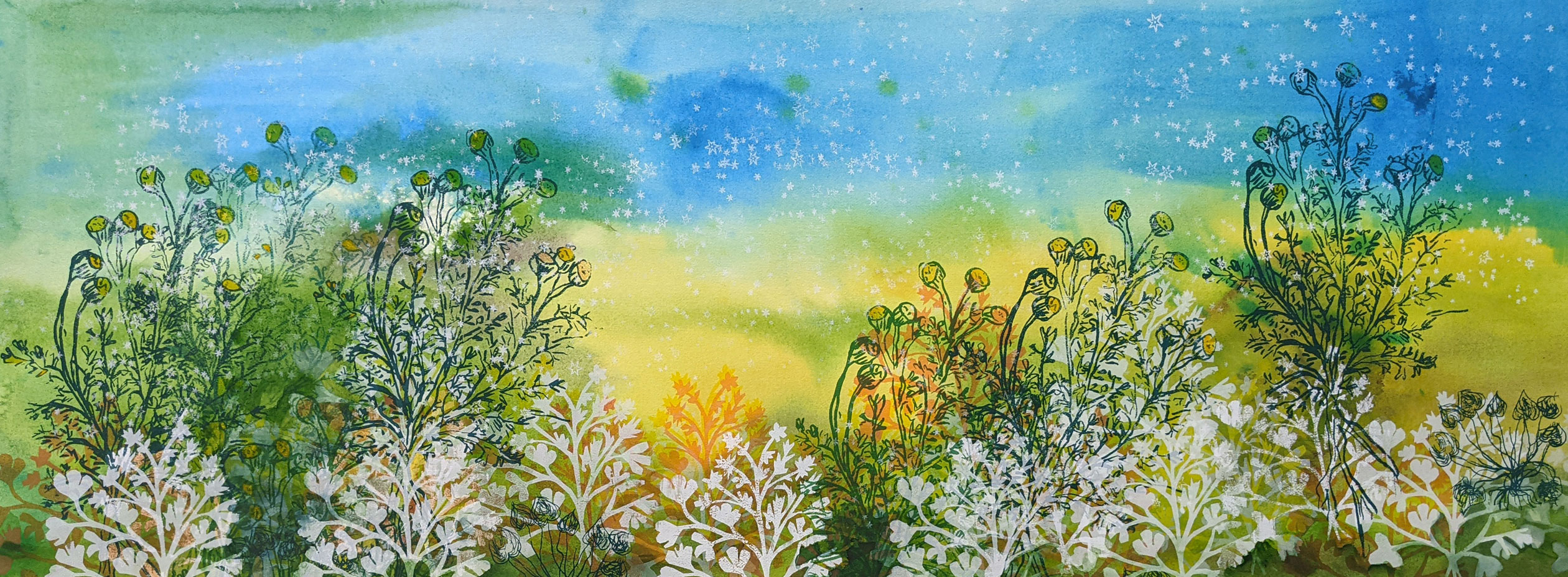
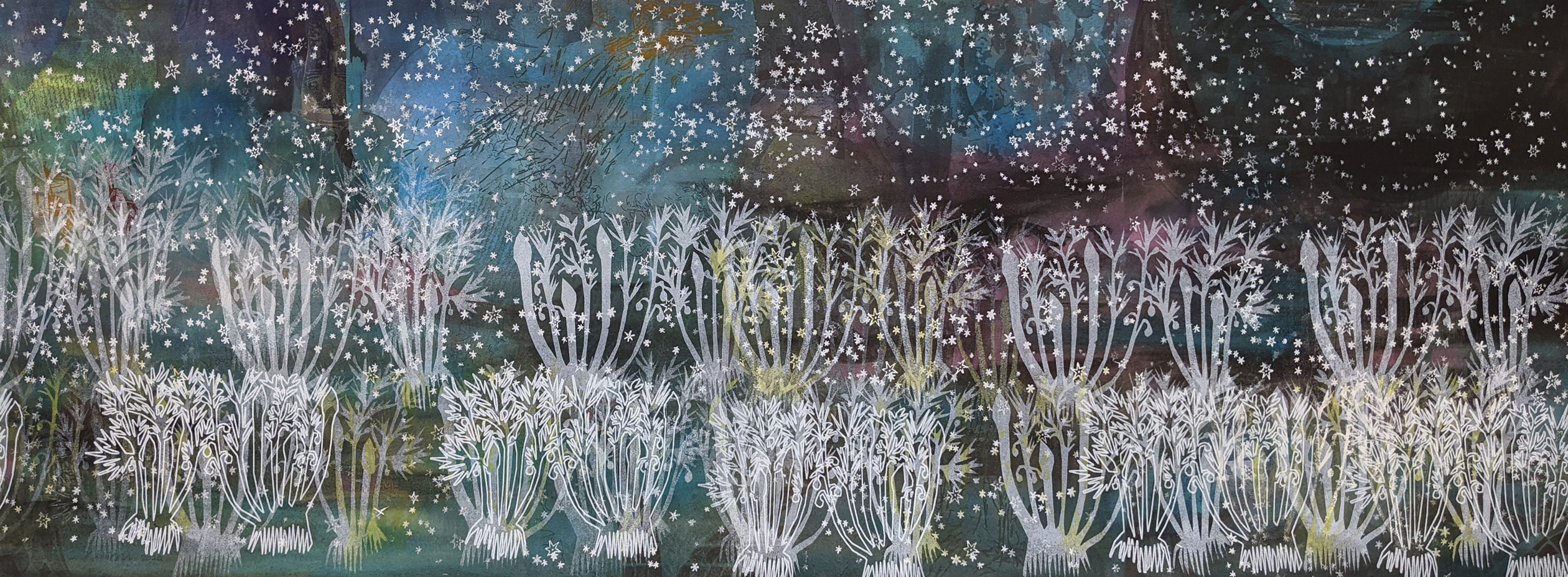
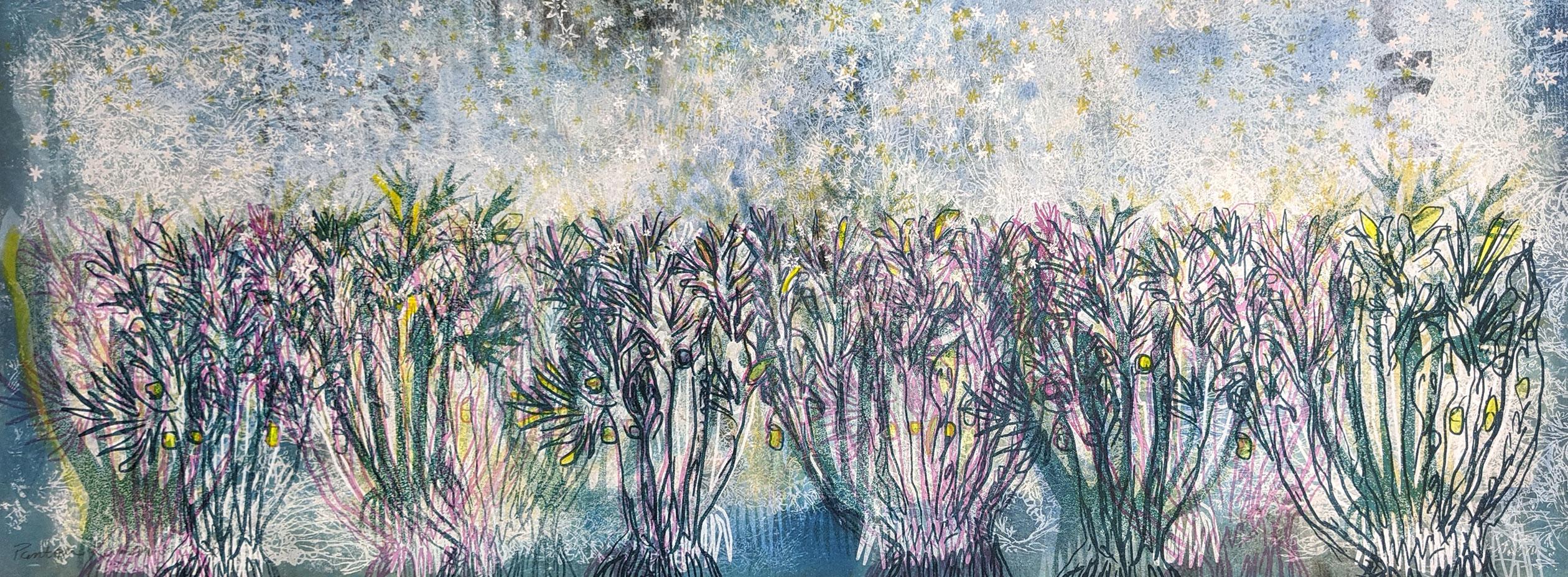
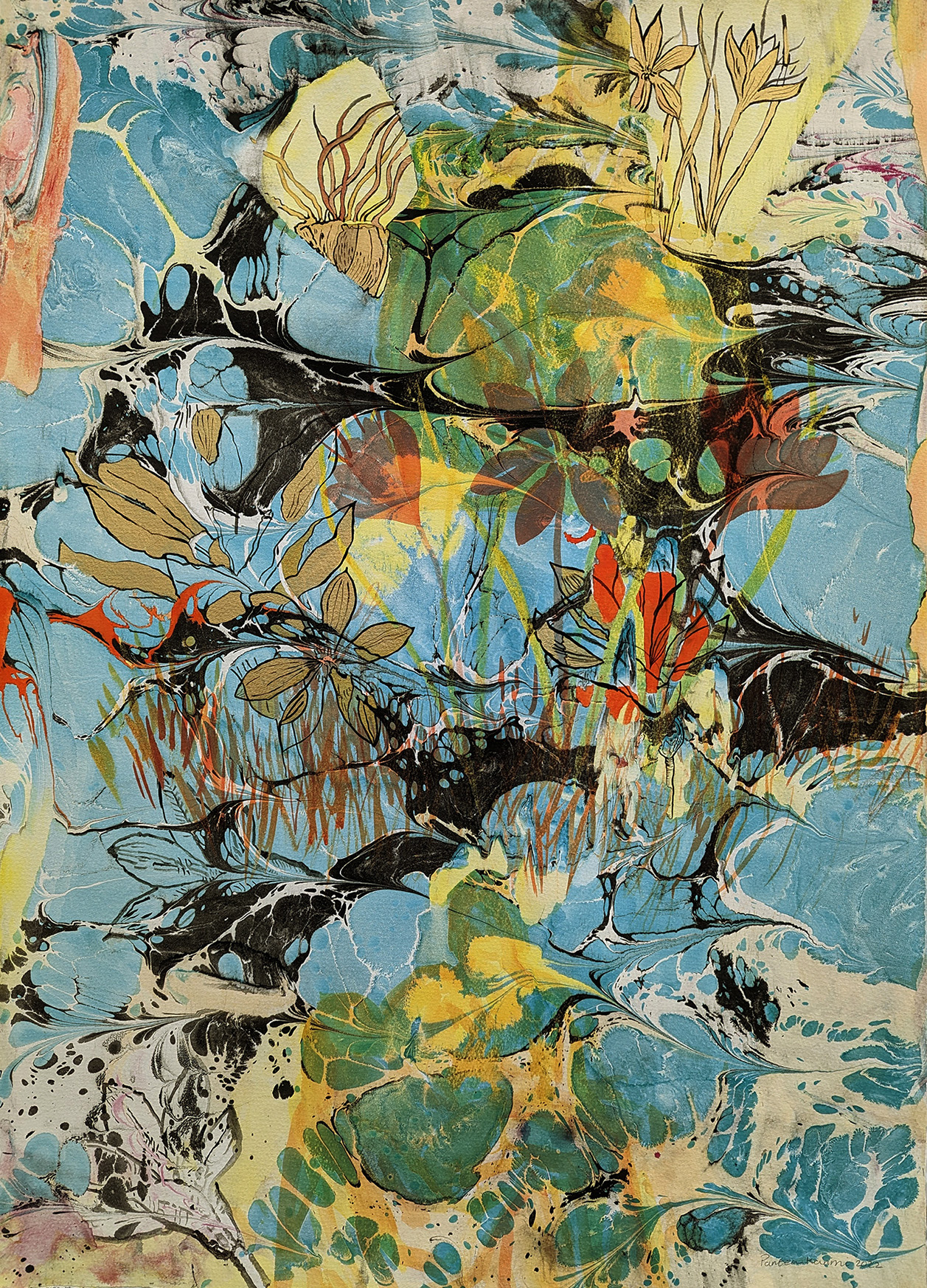
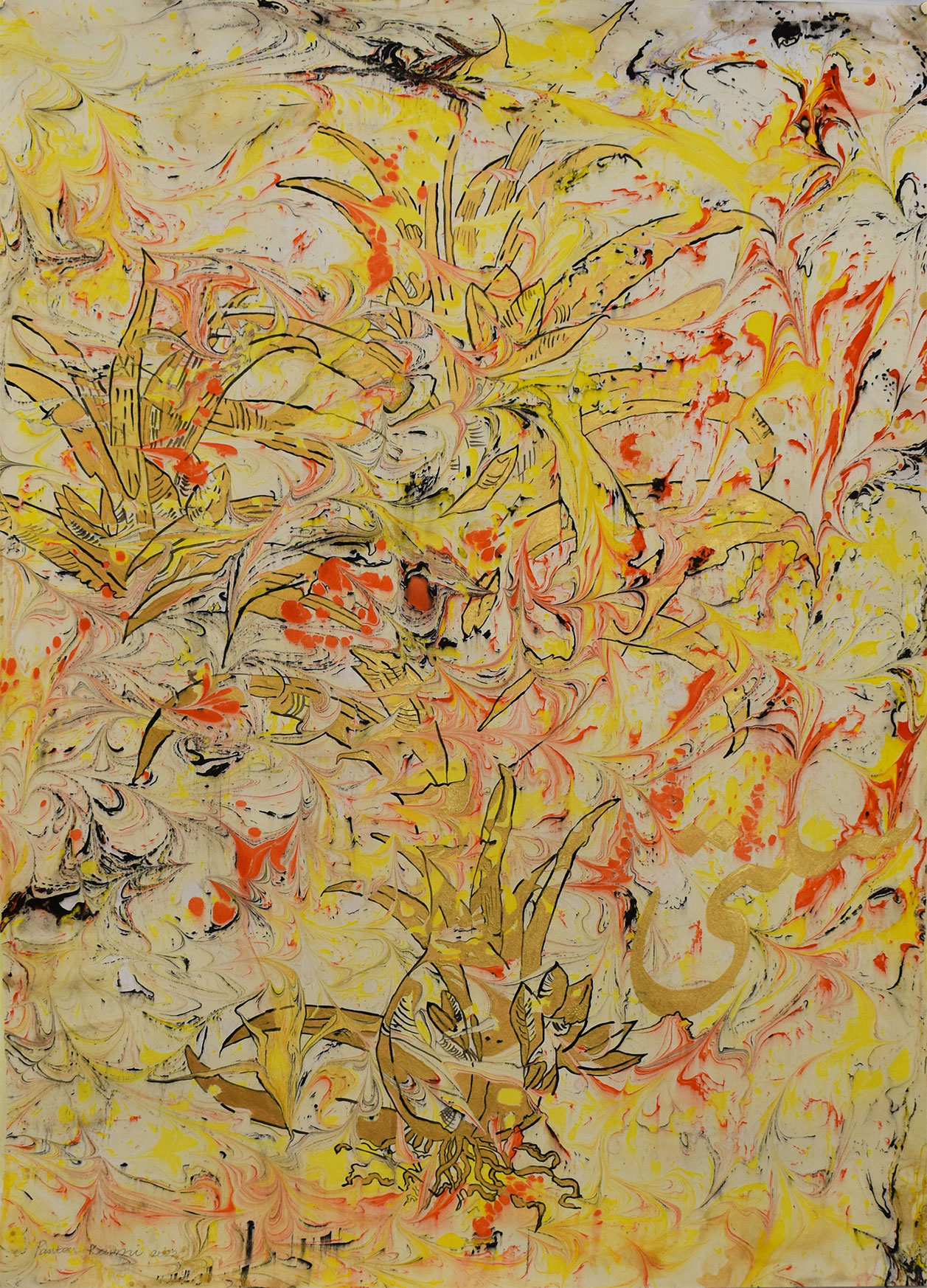
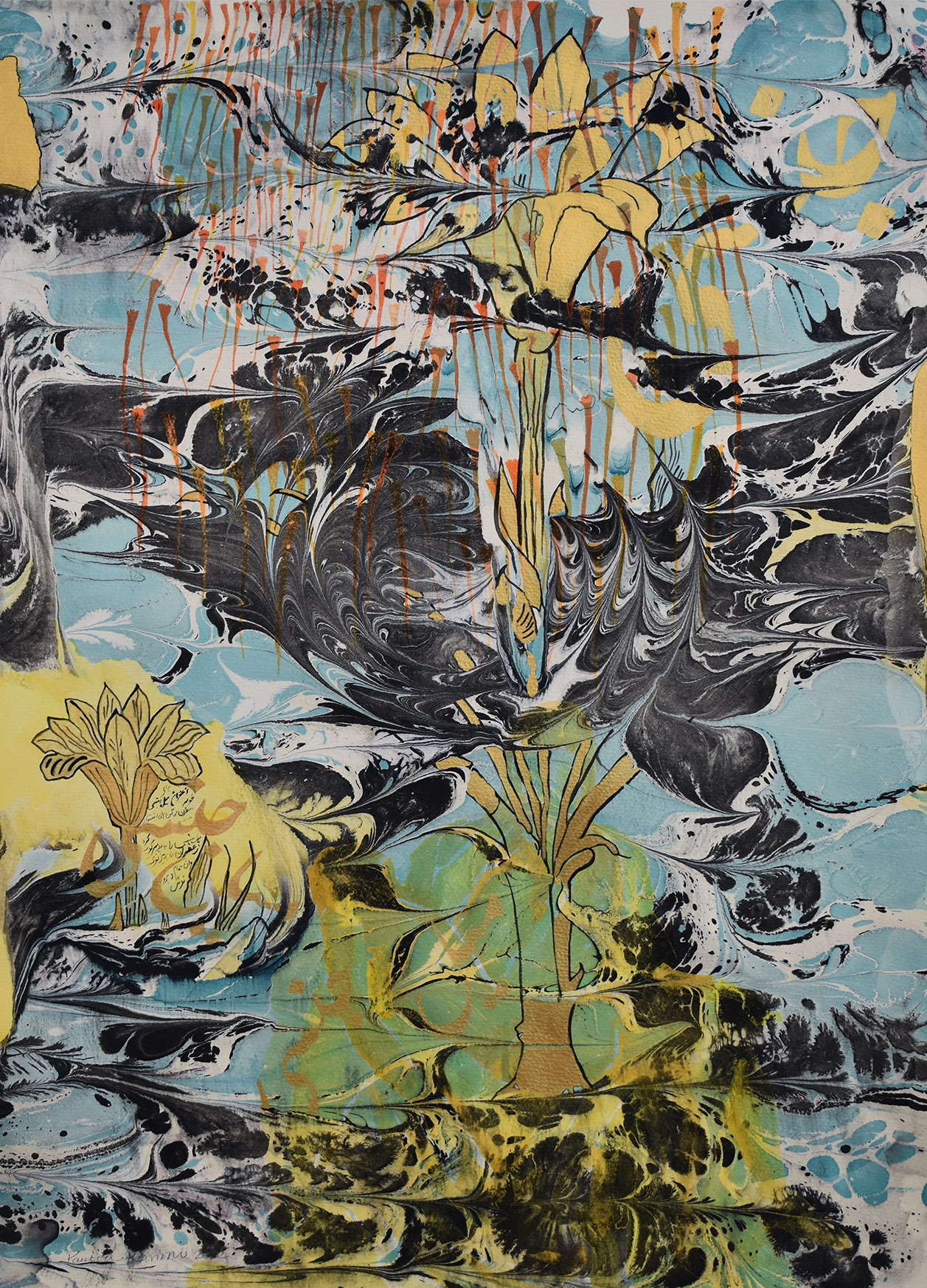
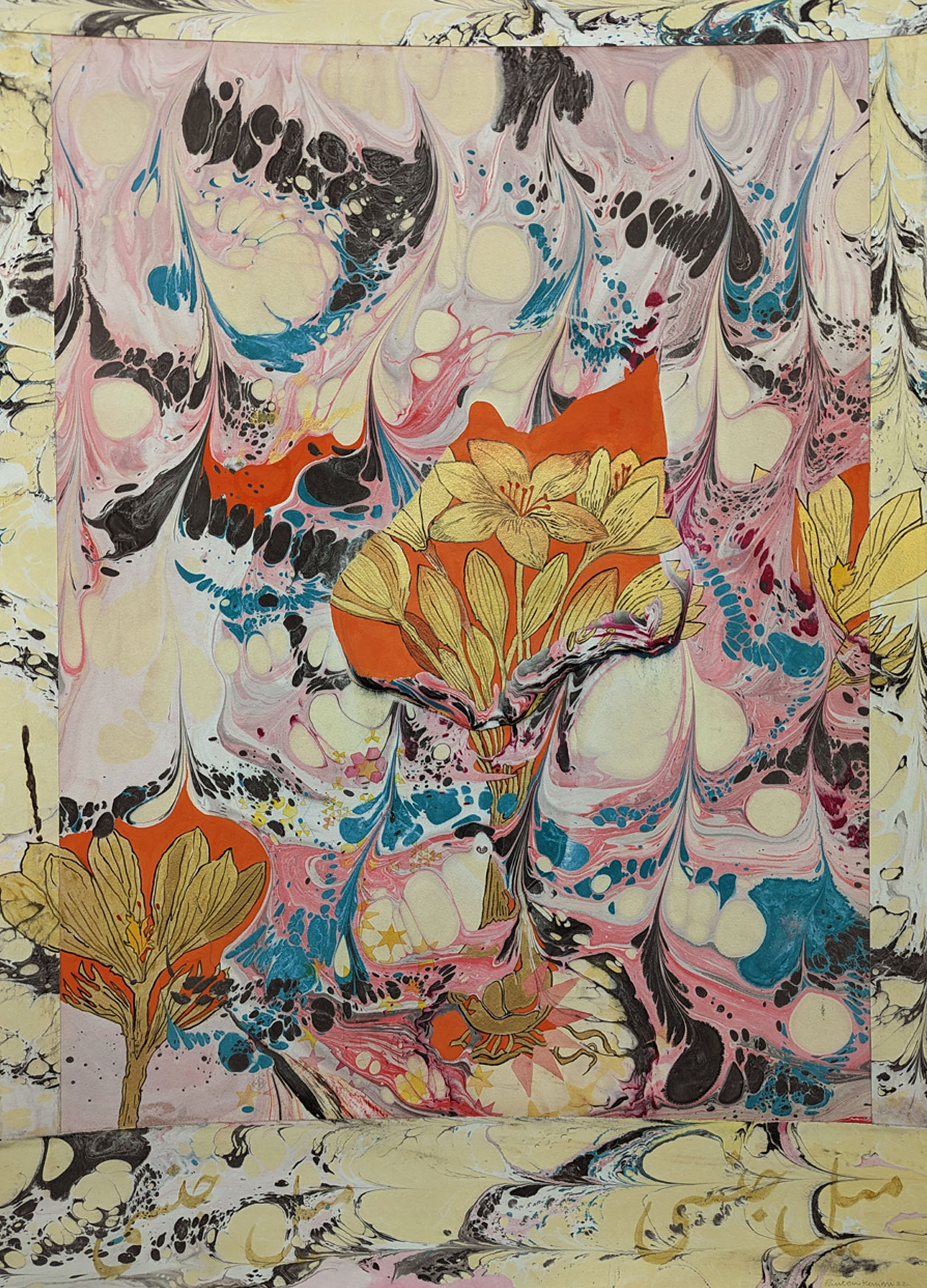
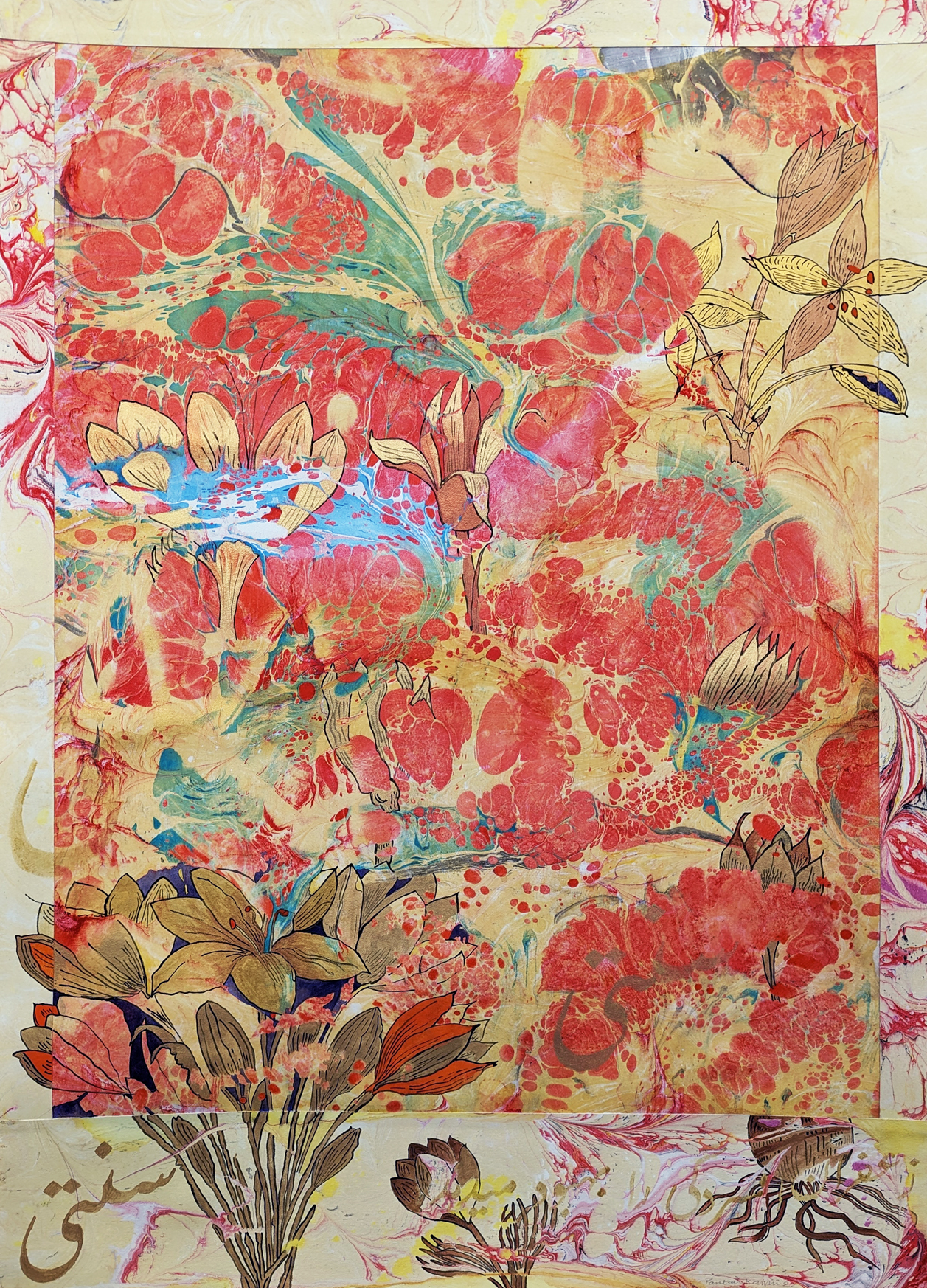
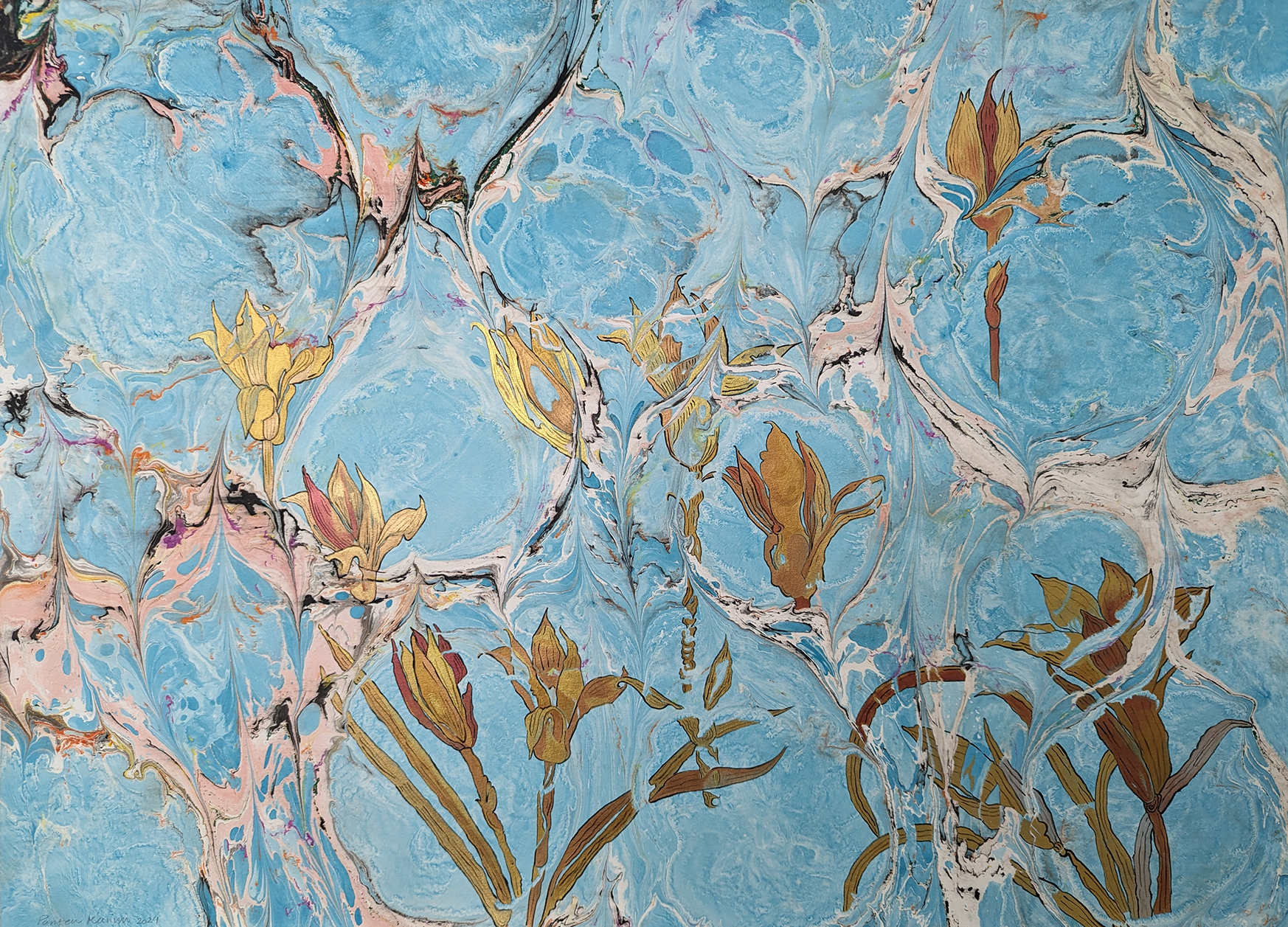
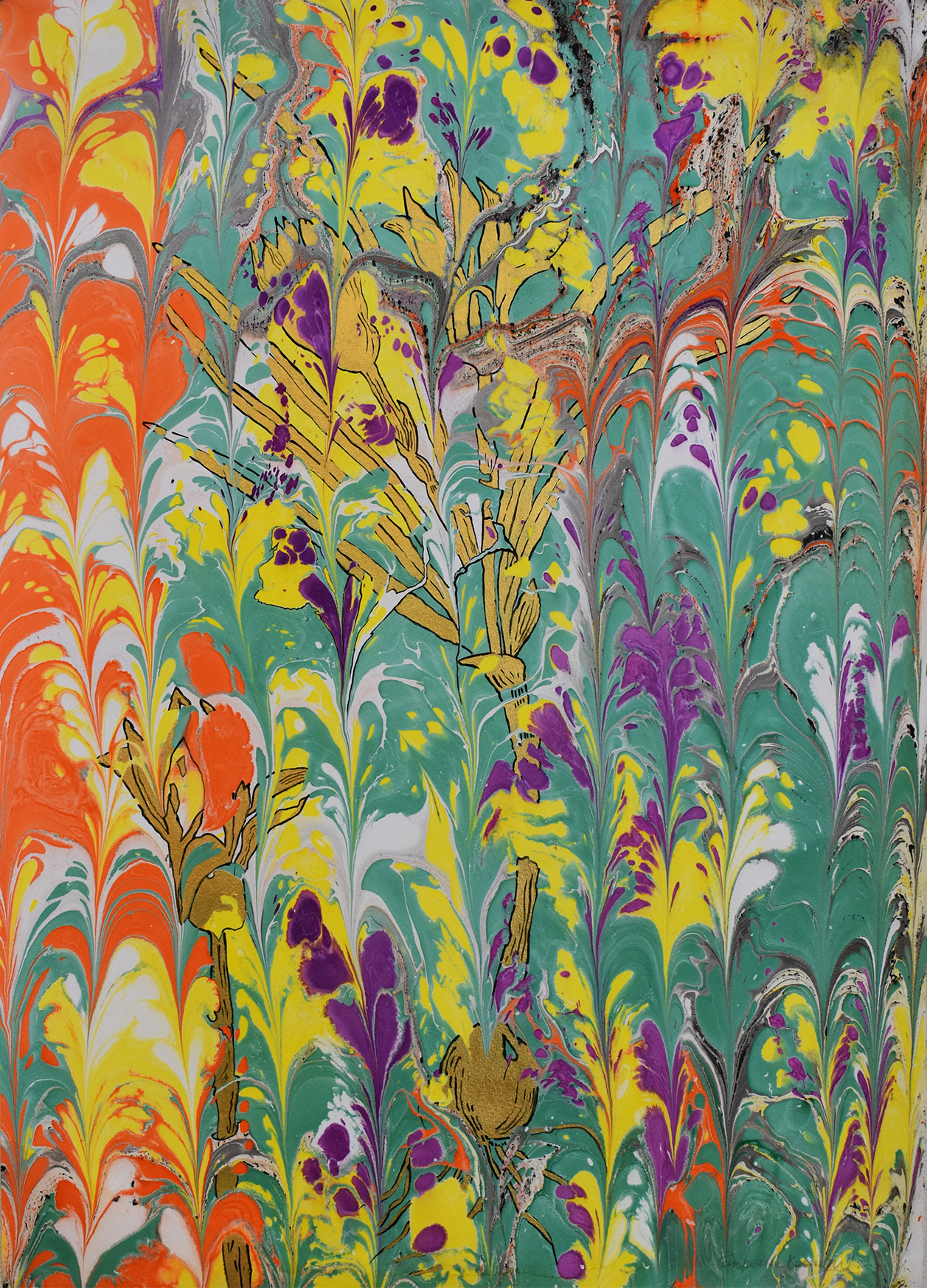
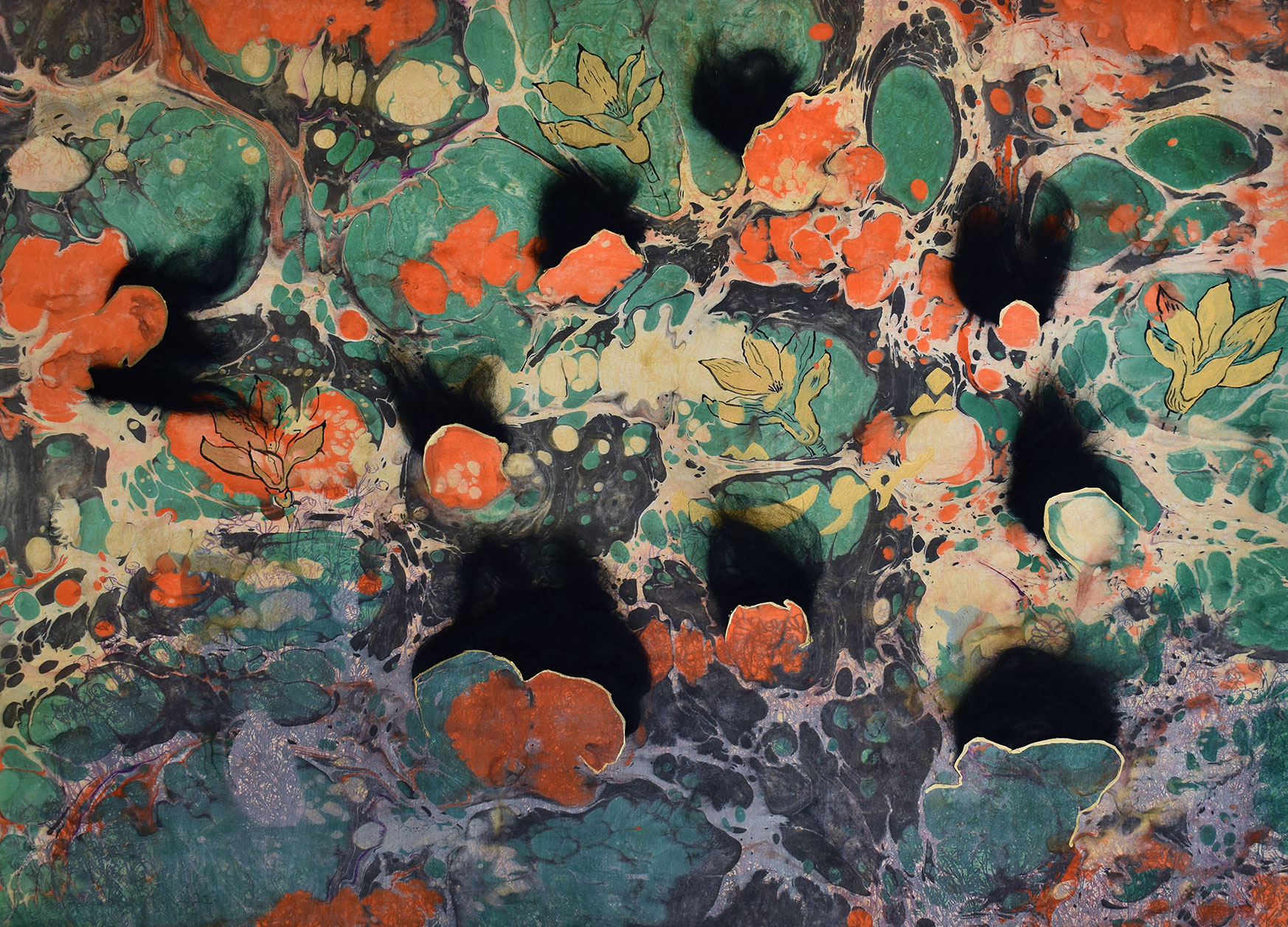
Handmade silkscreen, monotype, and marbling prints
2018-2023
This section includes unique handmade prints held in private, corporate, university, and medical center collections across the San Francisco Bay Area, Davis, Orlando, New York, Houston, and Sacramento. Sold works are noted with the name of the collection in the caption; all others are available.
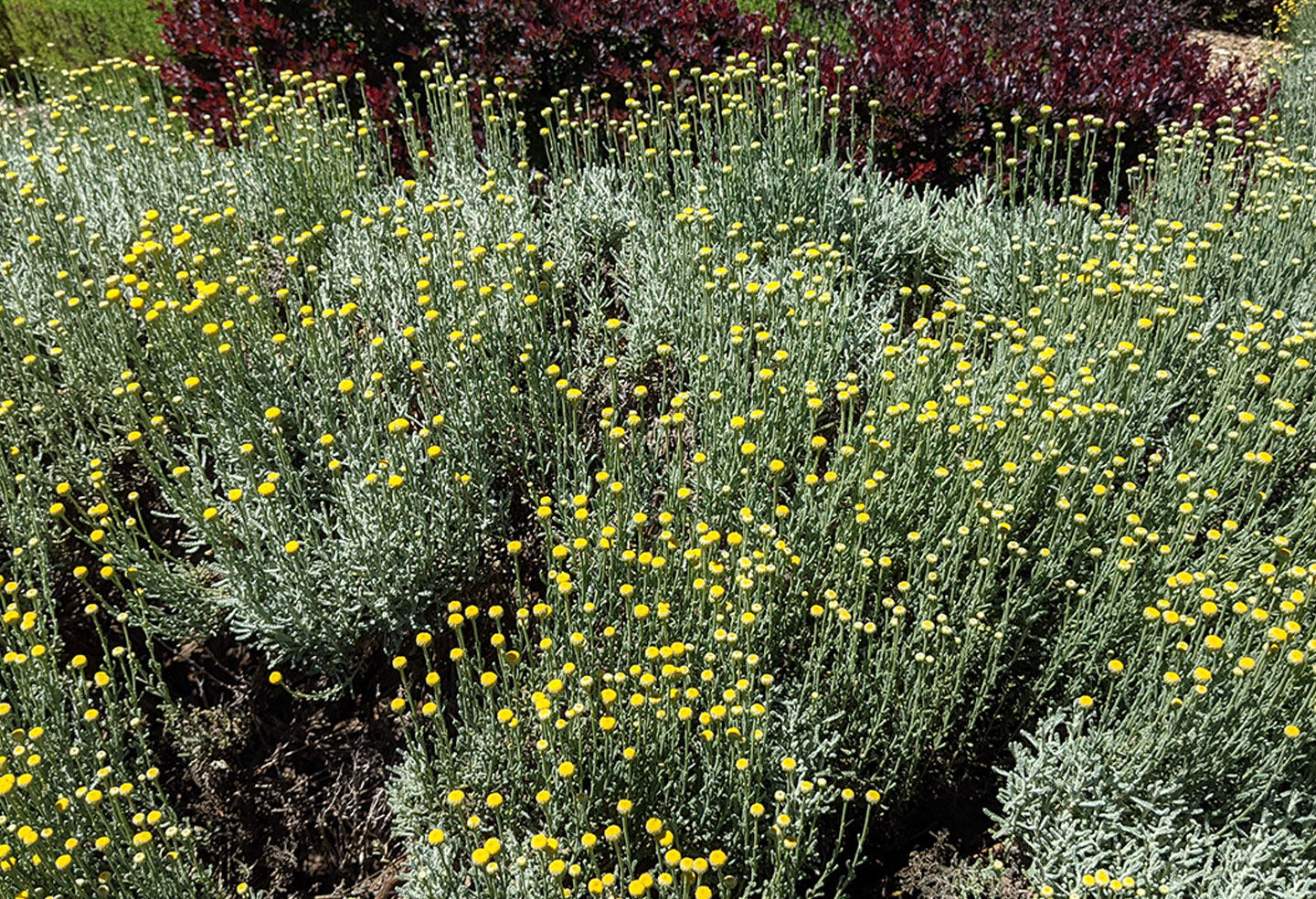
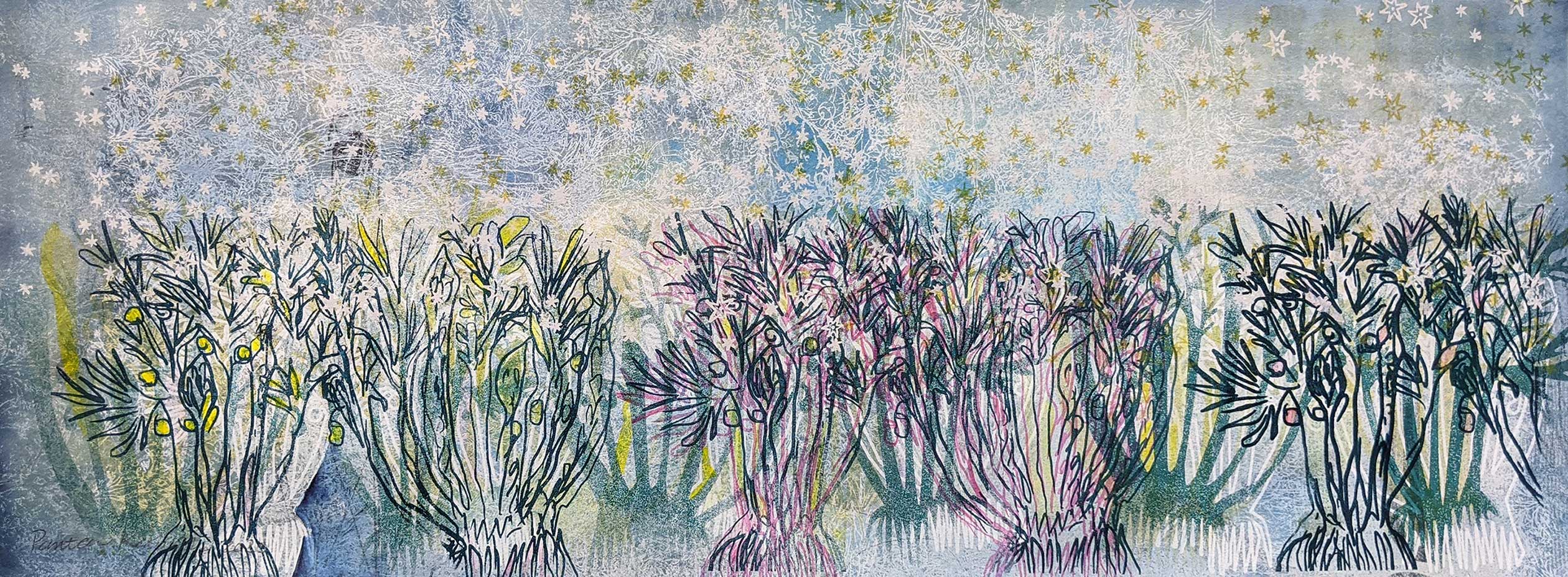
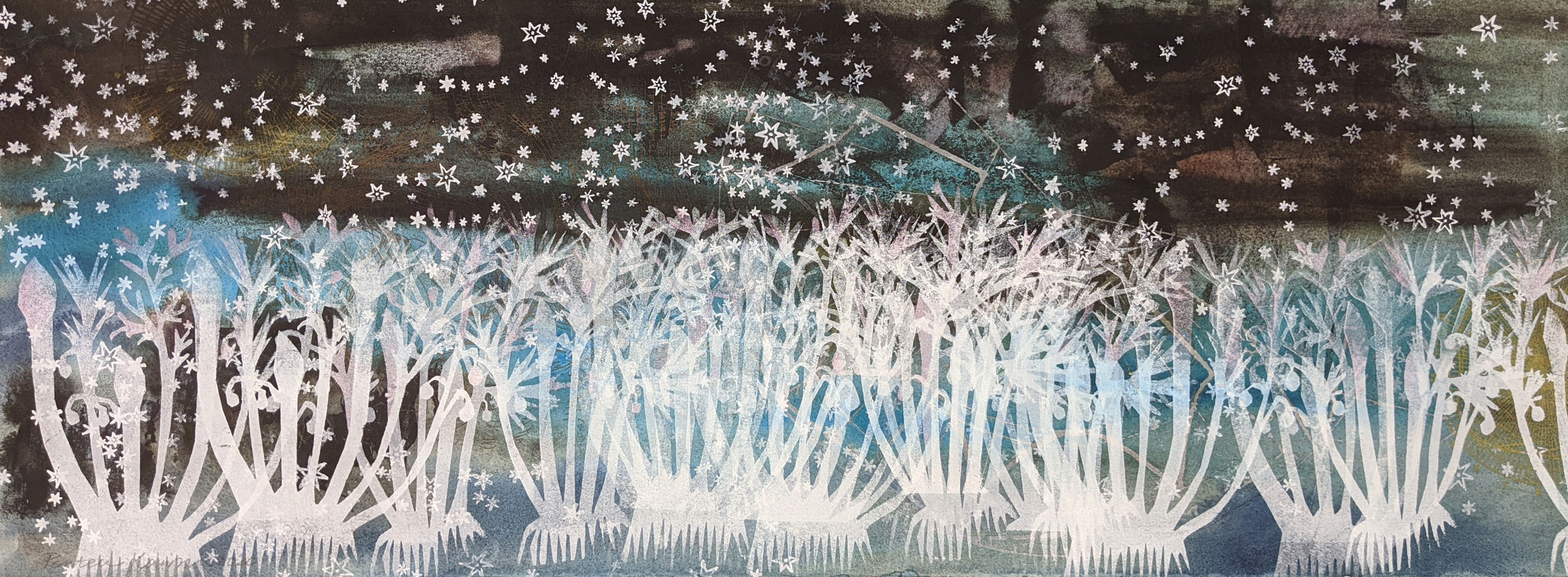
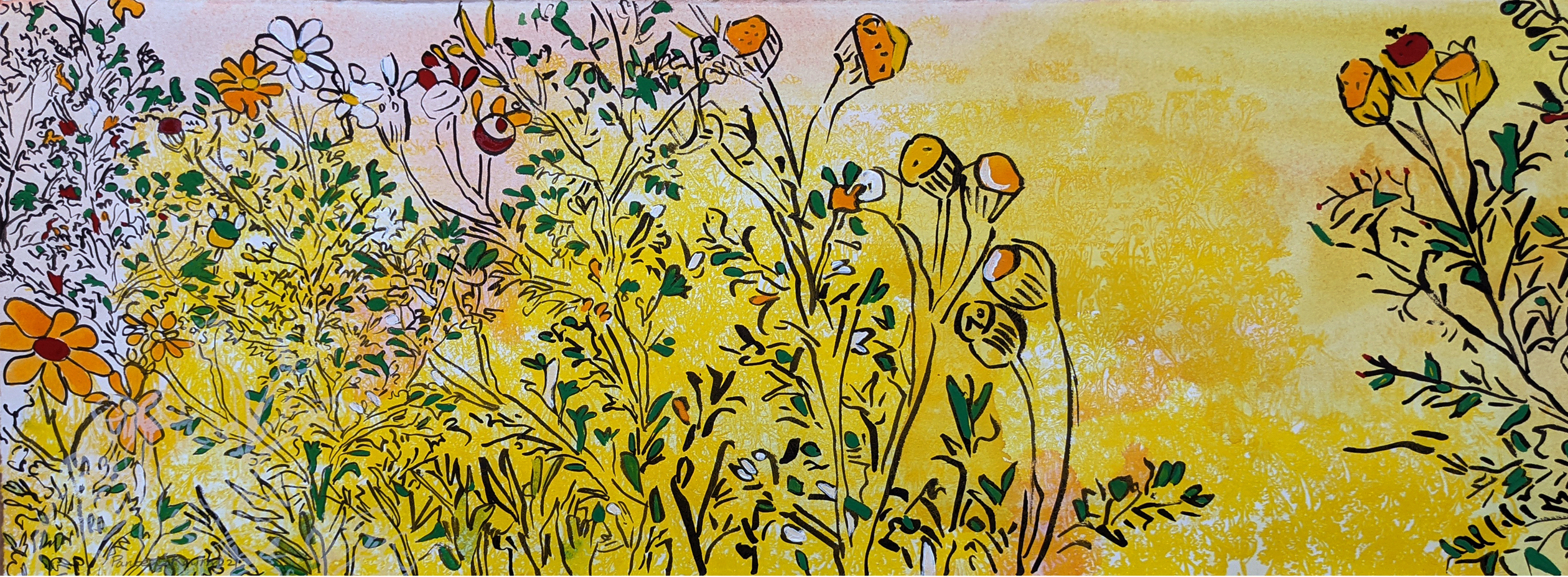
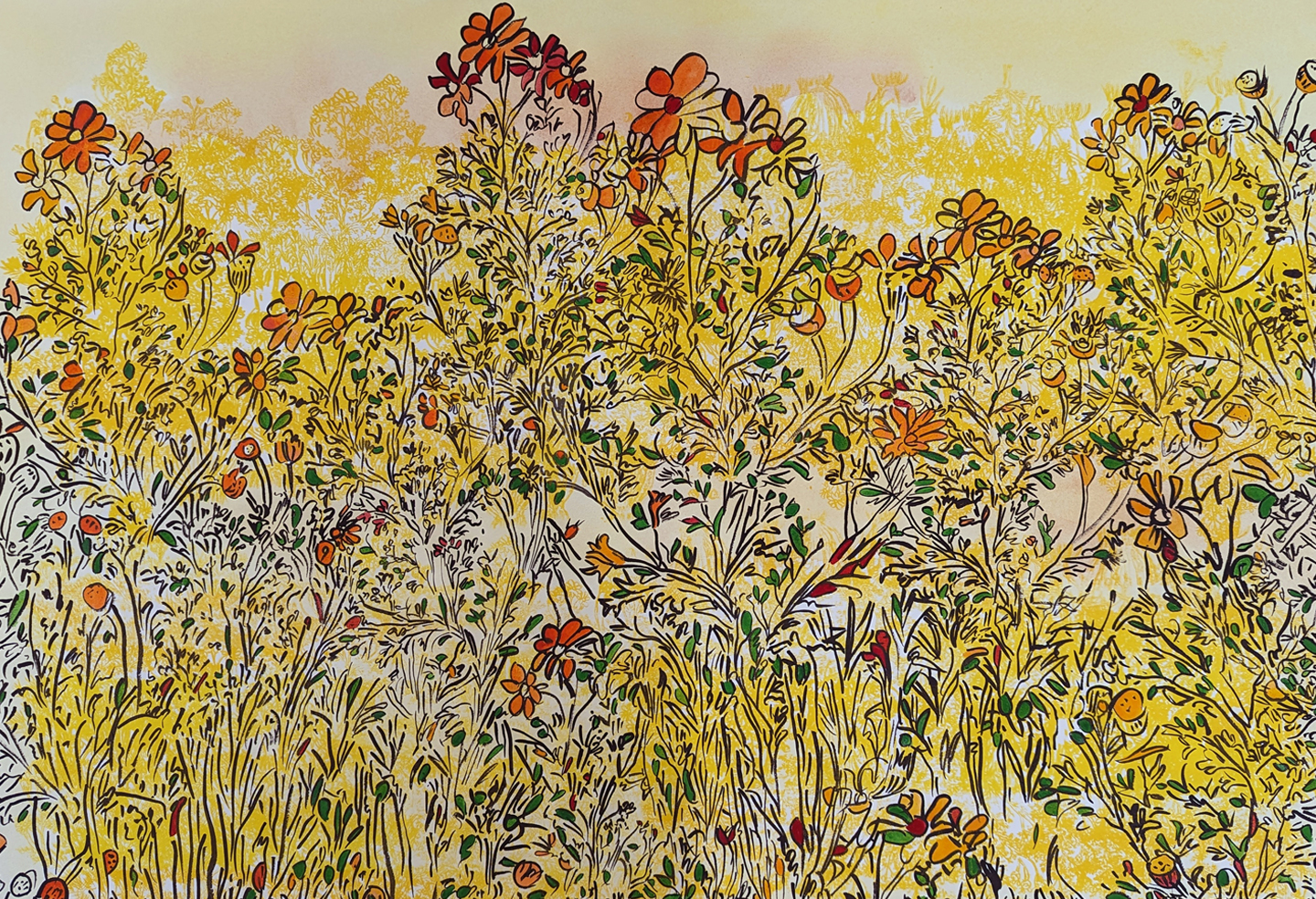
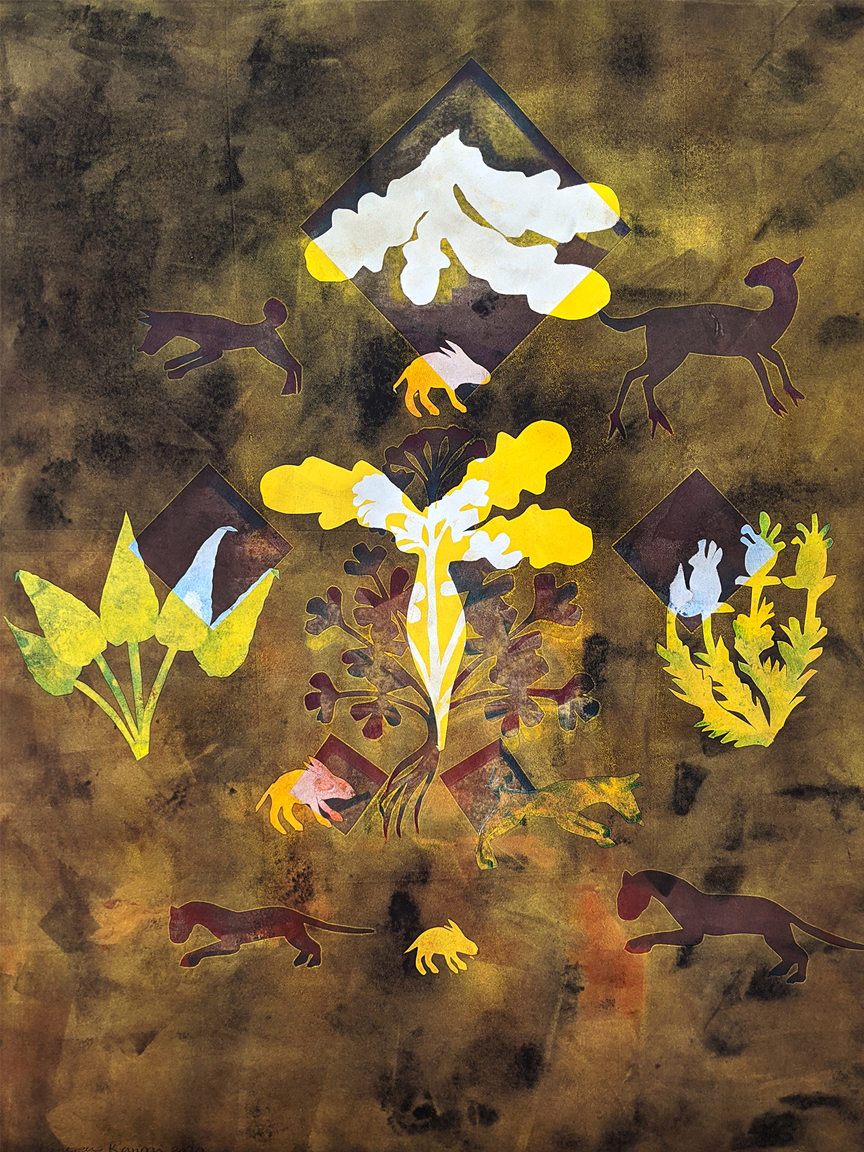
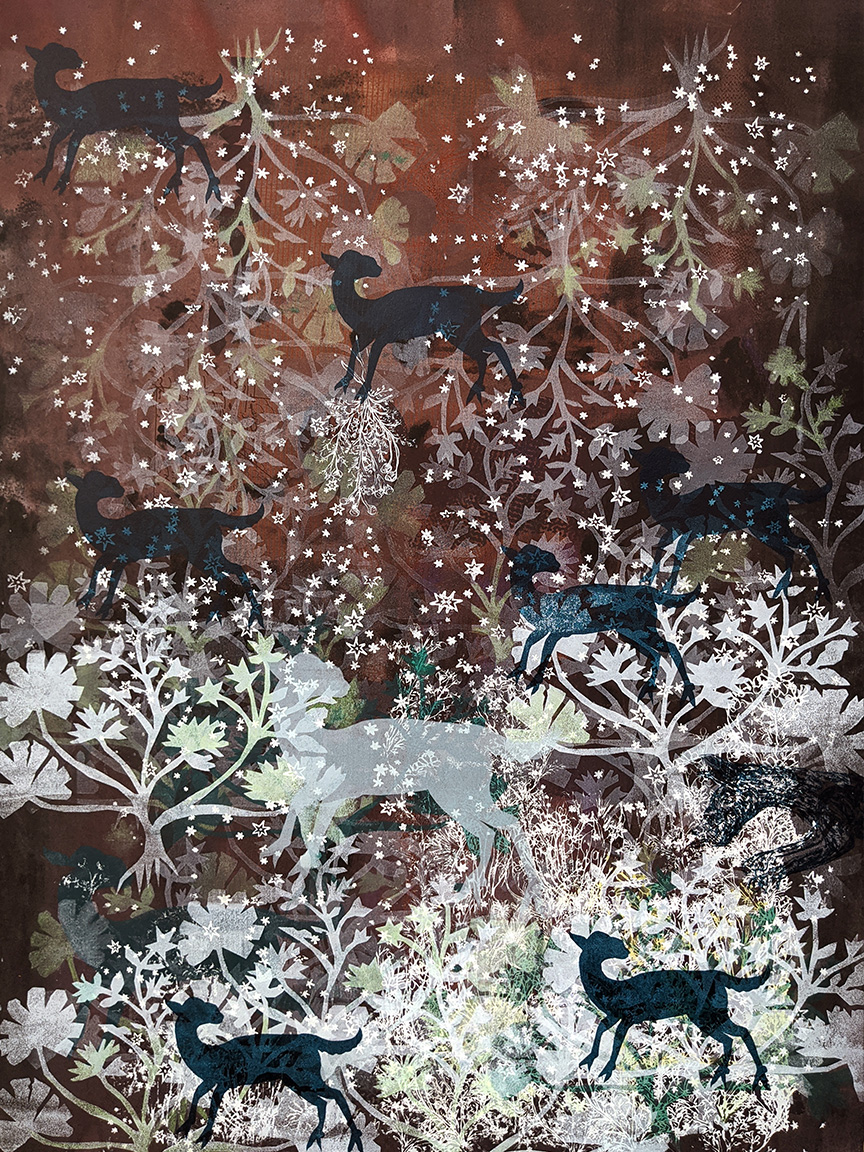
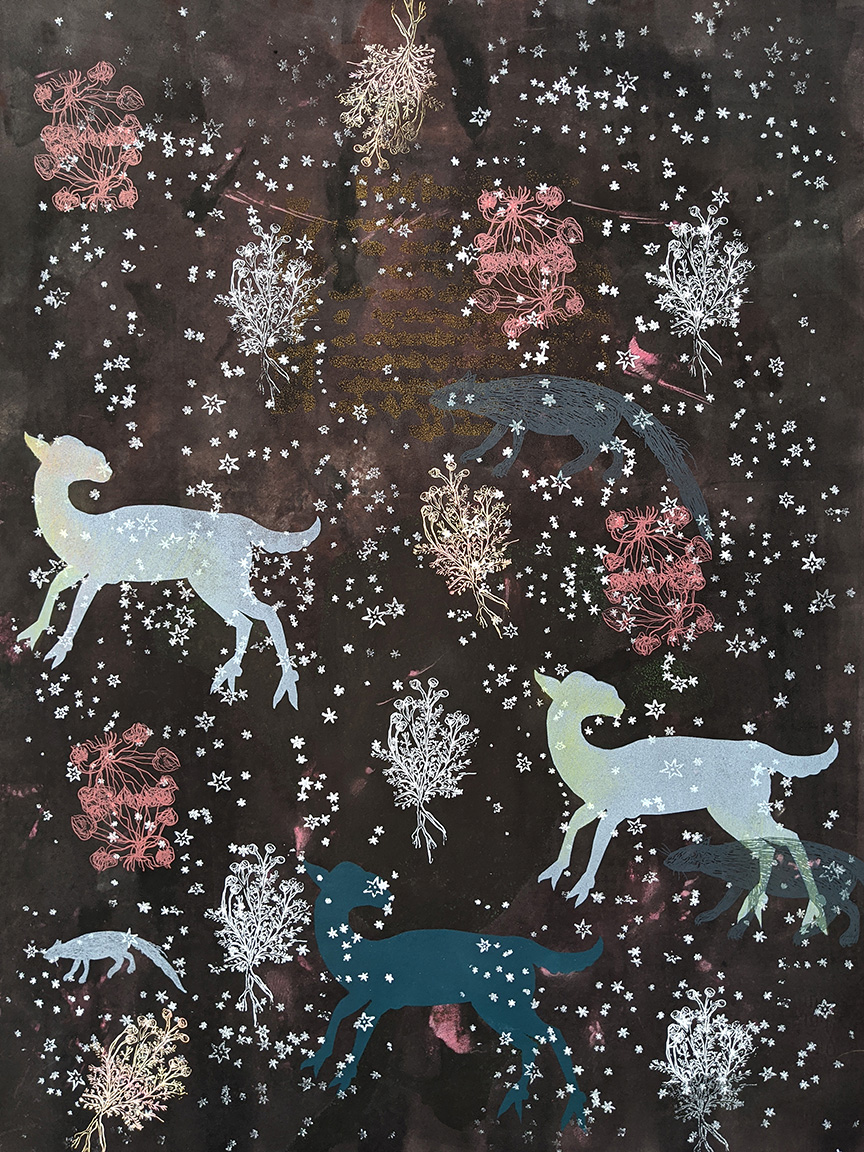
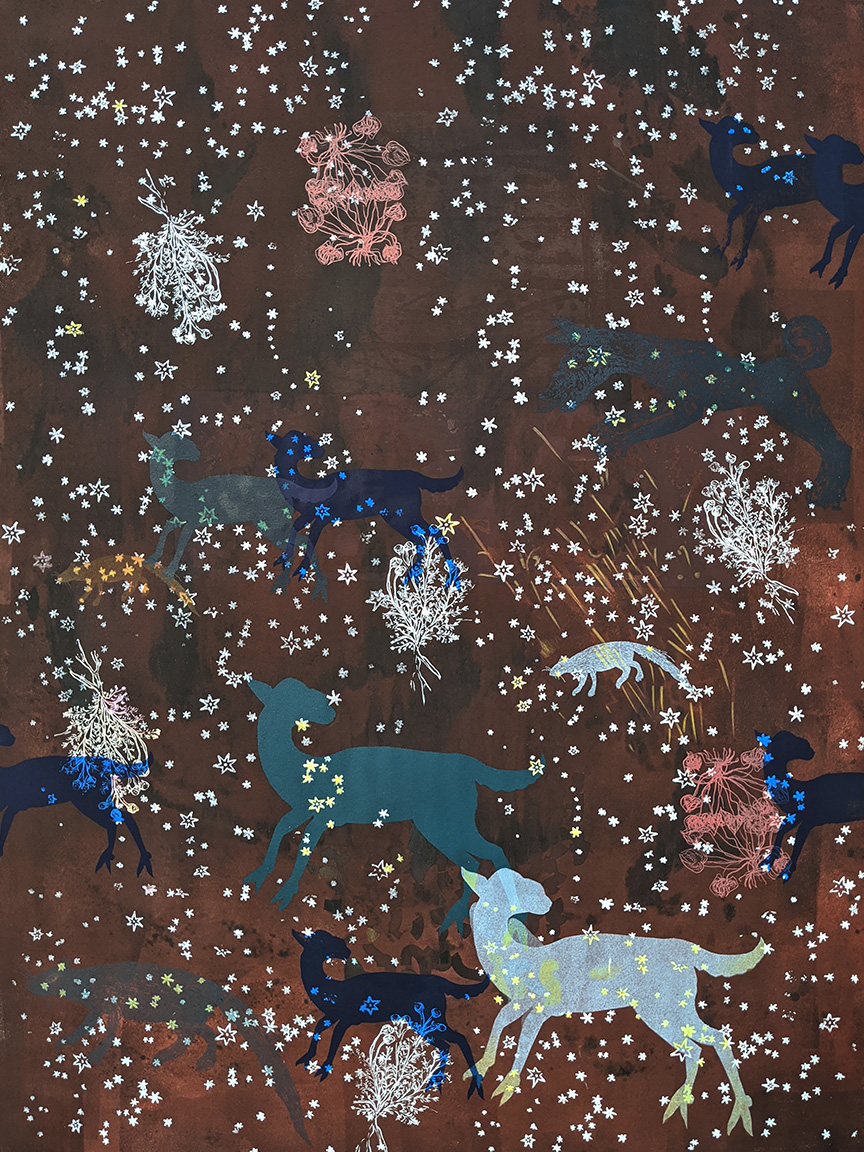
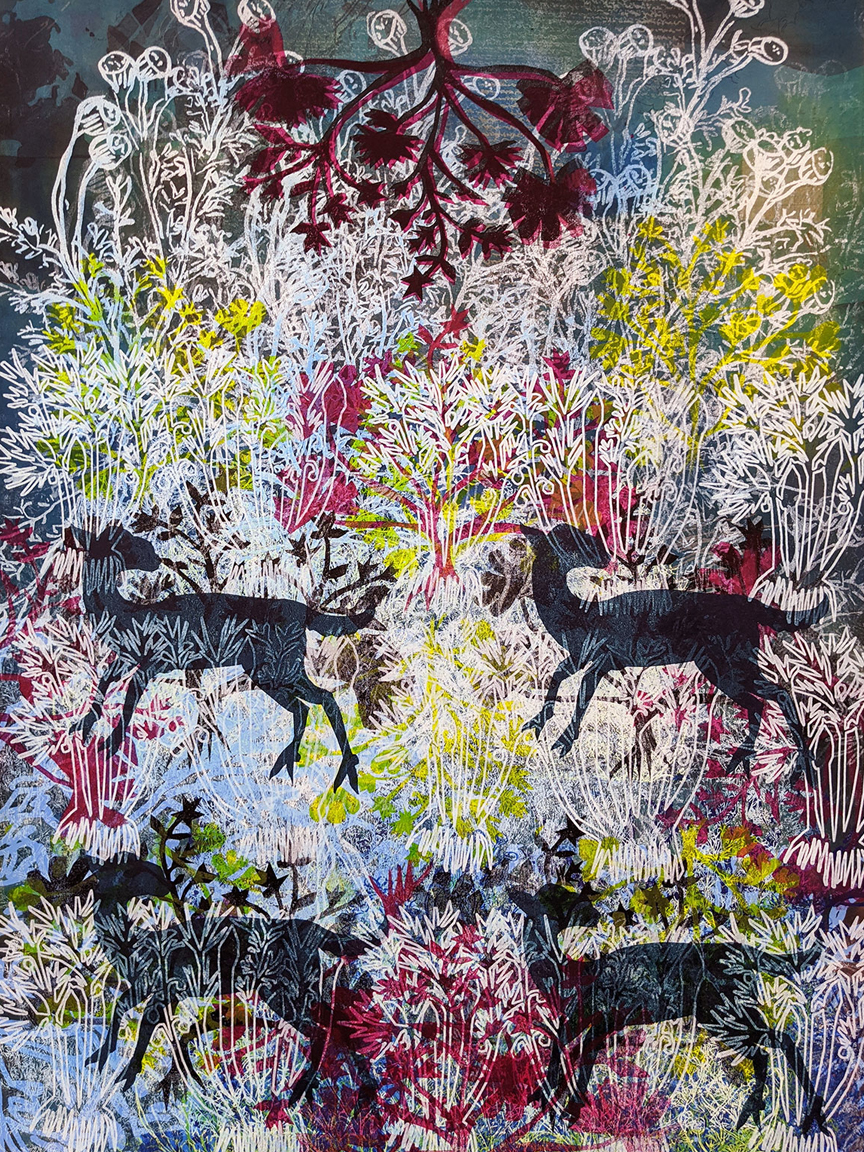
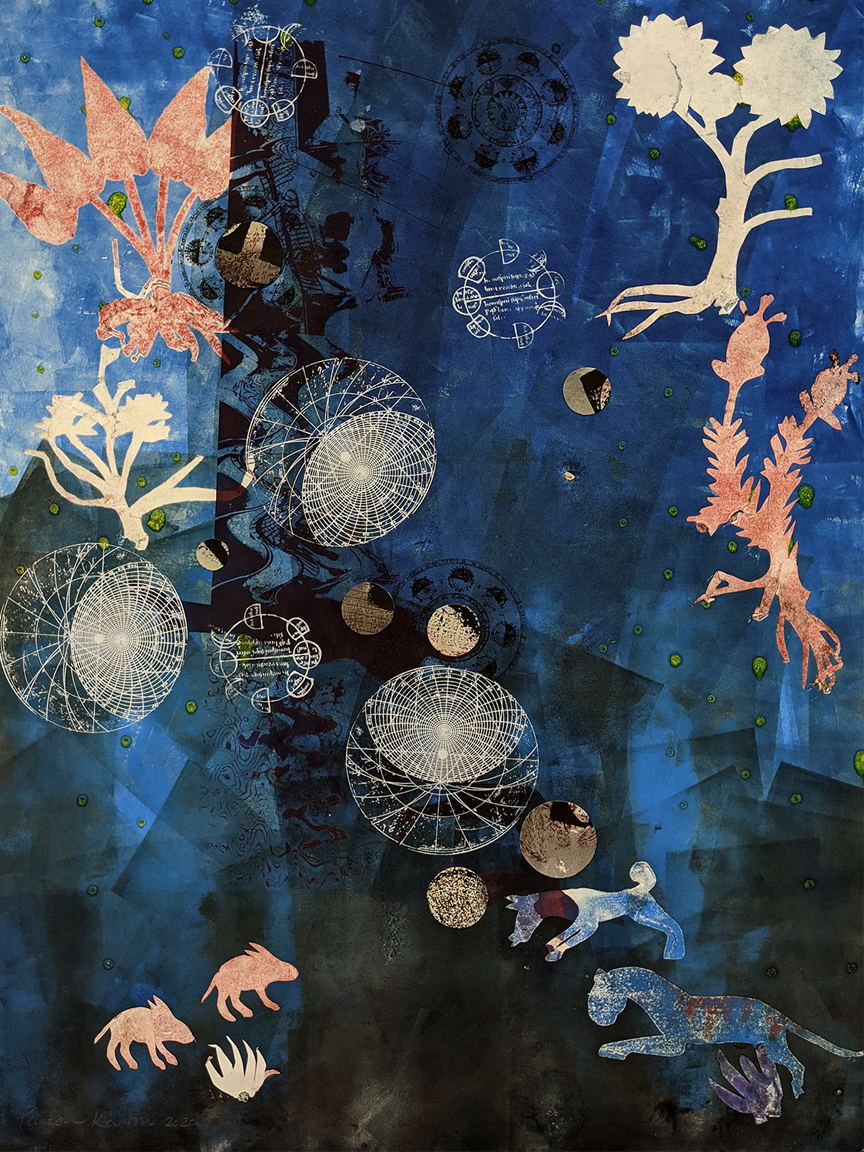
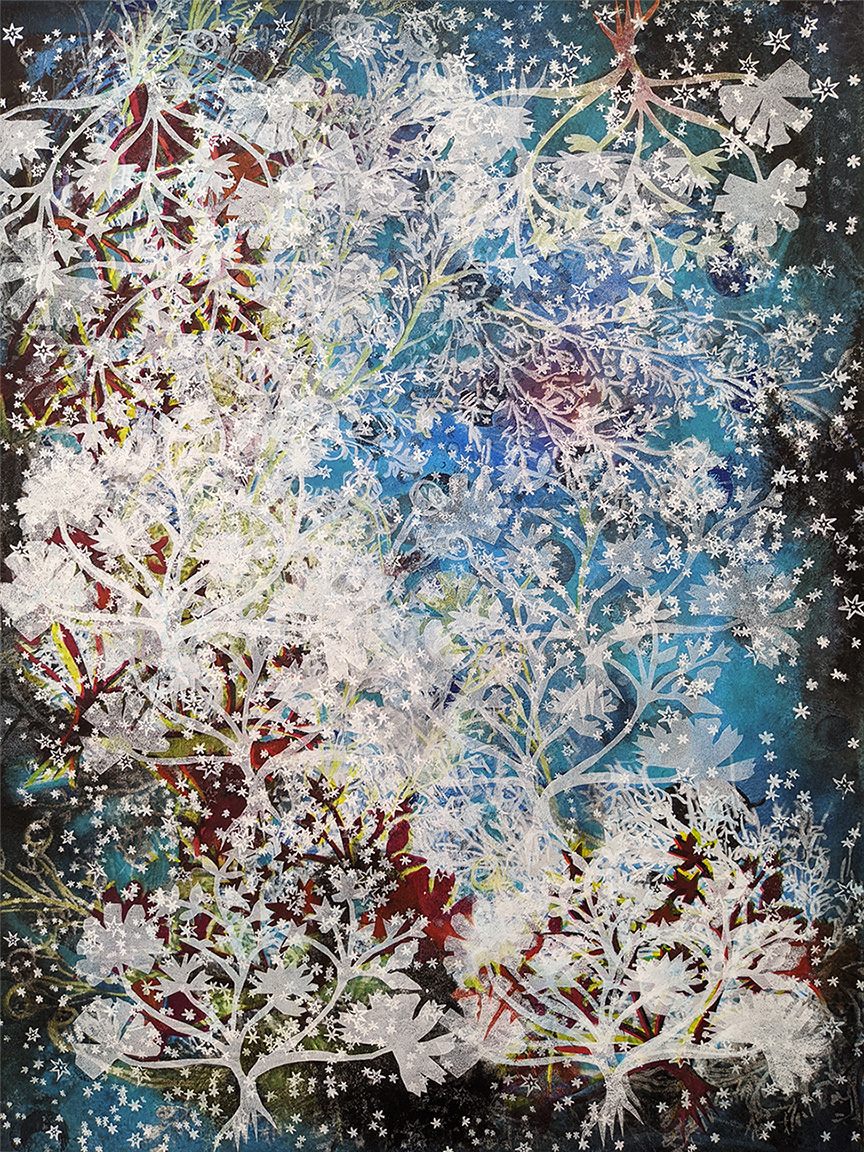
My prints draw on my research into medicinal botanical manuscripts and botanical gardens, including native California plants. Many of my compositions are developed through direct observation in sites such as Filoli Botanical Garden in the San Francisco Bay Area.
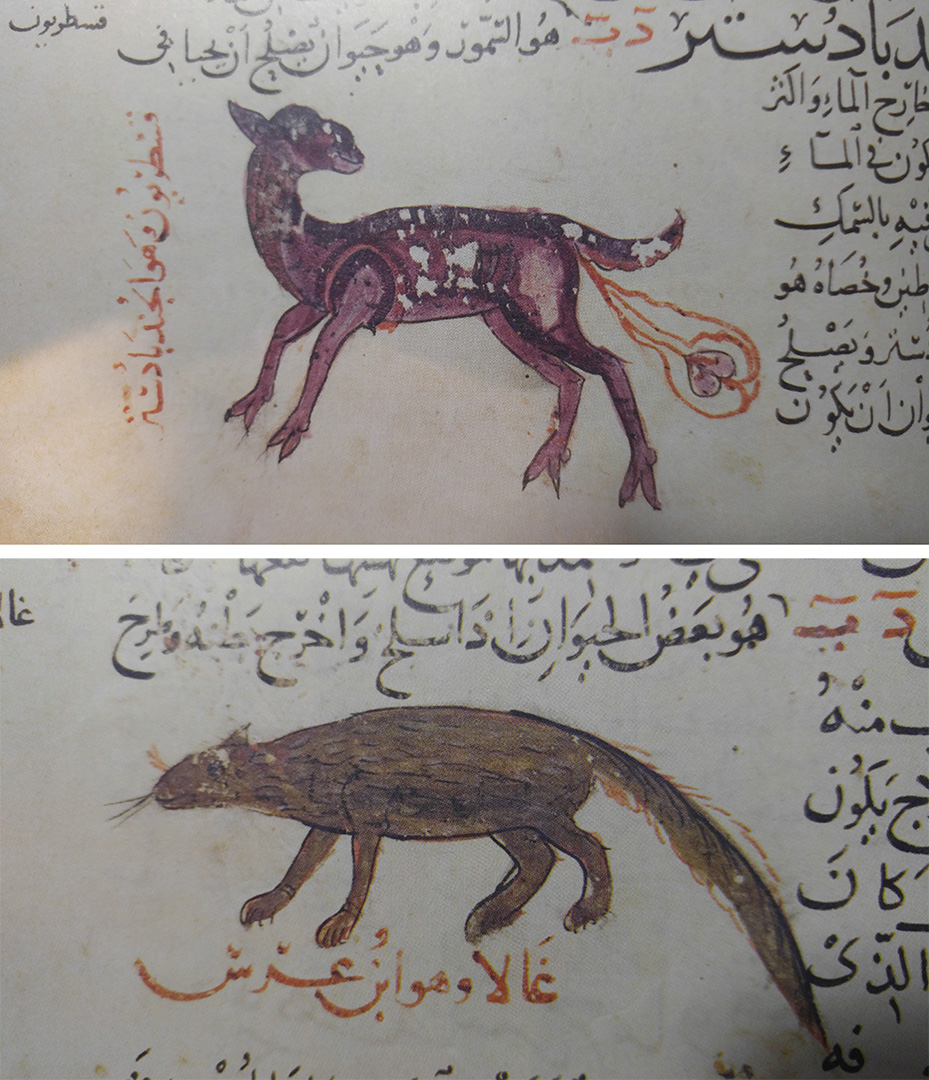
In these works, I depict medicinal plants through layered compositions combining drawing, ink, marbling, silkscreen, and monotype processes. Plants, animals, and celestial forms are drawn from The Herbal, a 12th-century Andalusian botanical manuscript, and Sidereus Nuncius, Galileo’s 17th-century astronomical treatise. Most of my prints are built up through multiple layers of ink, silkscreen, and watercolor.
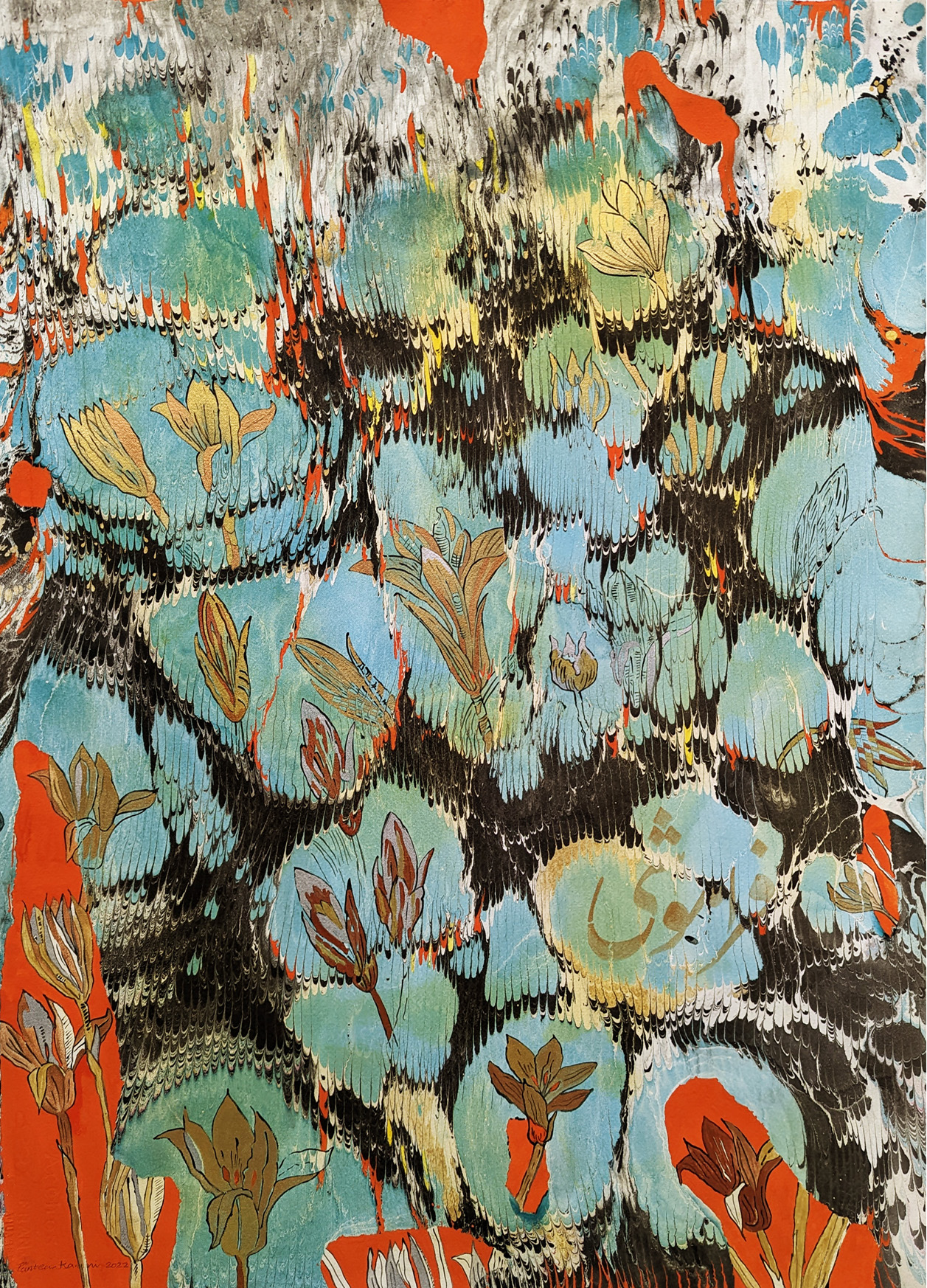
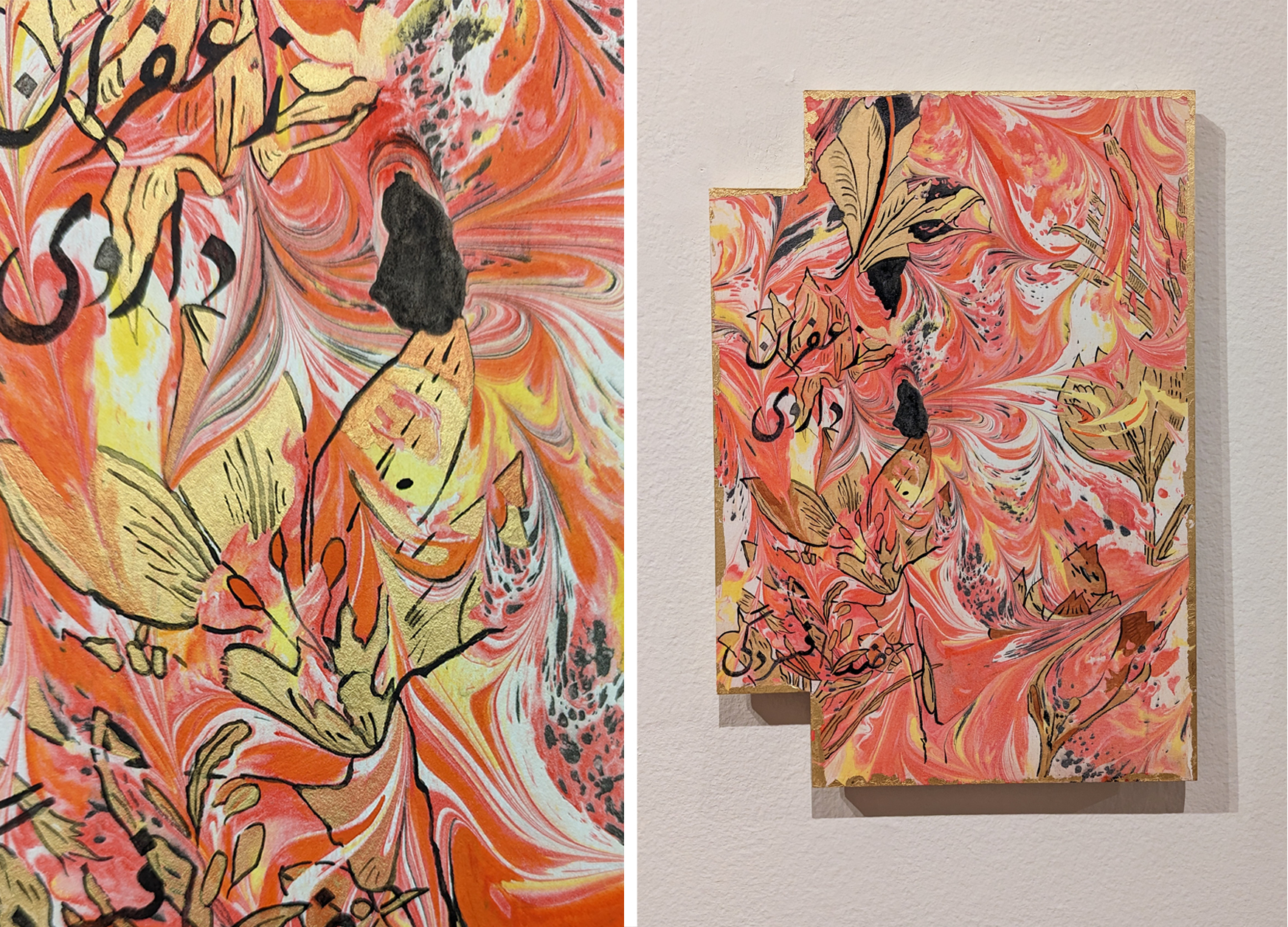
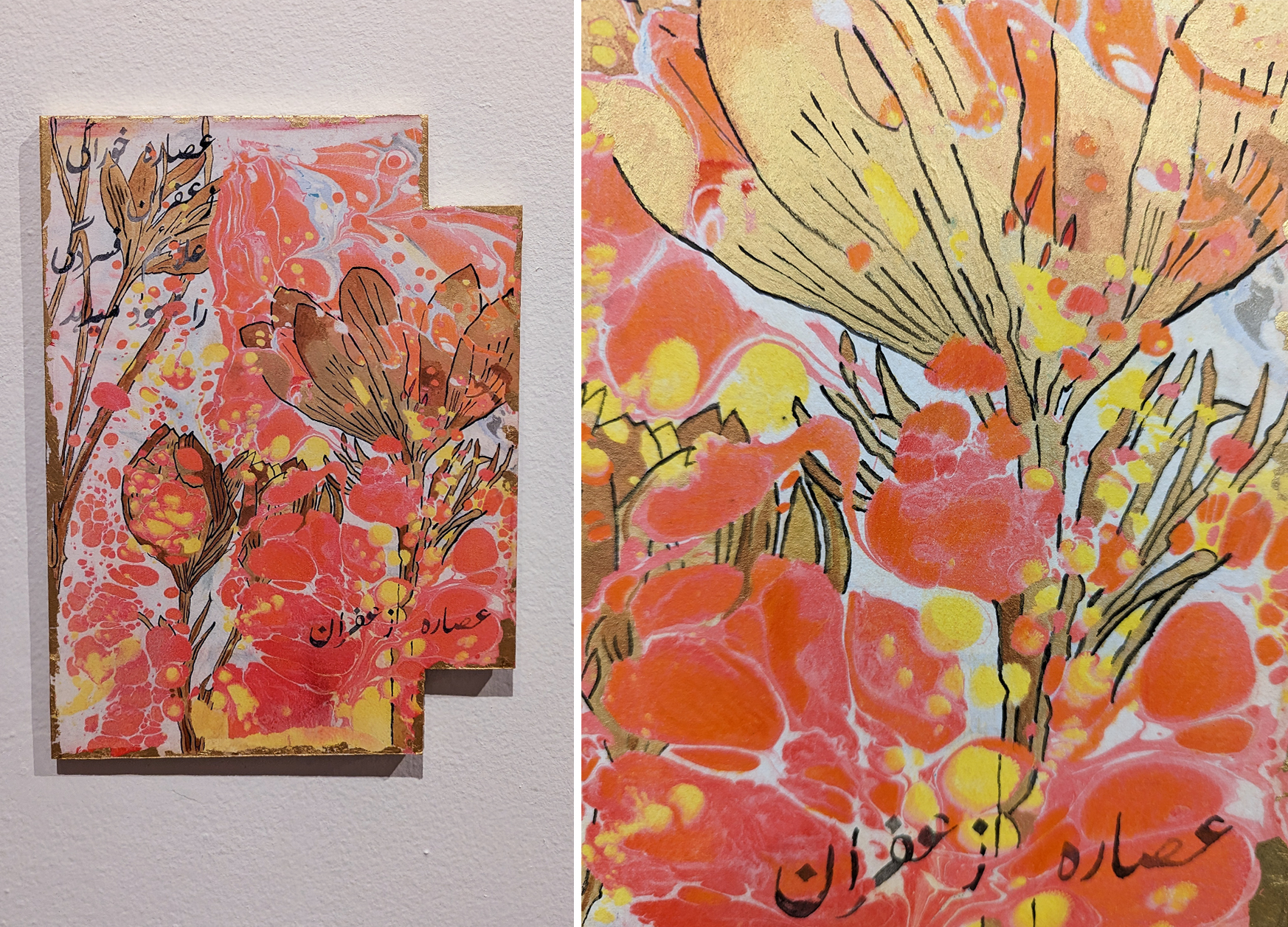
Marbled papers have long been used in the decoration of manuscripts and books. Marbling—a plant-based printing technique originating in China and later developed in medieval Iran—uses natural pigments, a seaweed-based solution, and oil to create fluid, organic patterns.
In my printmaking practice, I engage this historical technique as a way of exploring natural landscapes. I combine marbled surfaces with hand-drawn saffron crocus forms, inspired by botanical illustrations I studied in the 17th-century books from the UCSF Library archives. The resulting compositions evoke fragmented landscapes, where layered crocus motifs speak to healing, nature, and cultural memory.


















Digital Prints
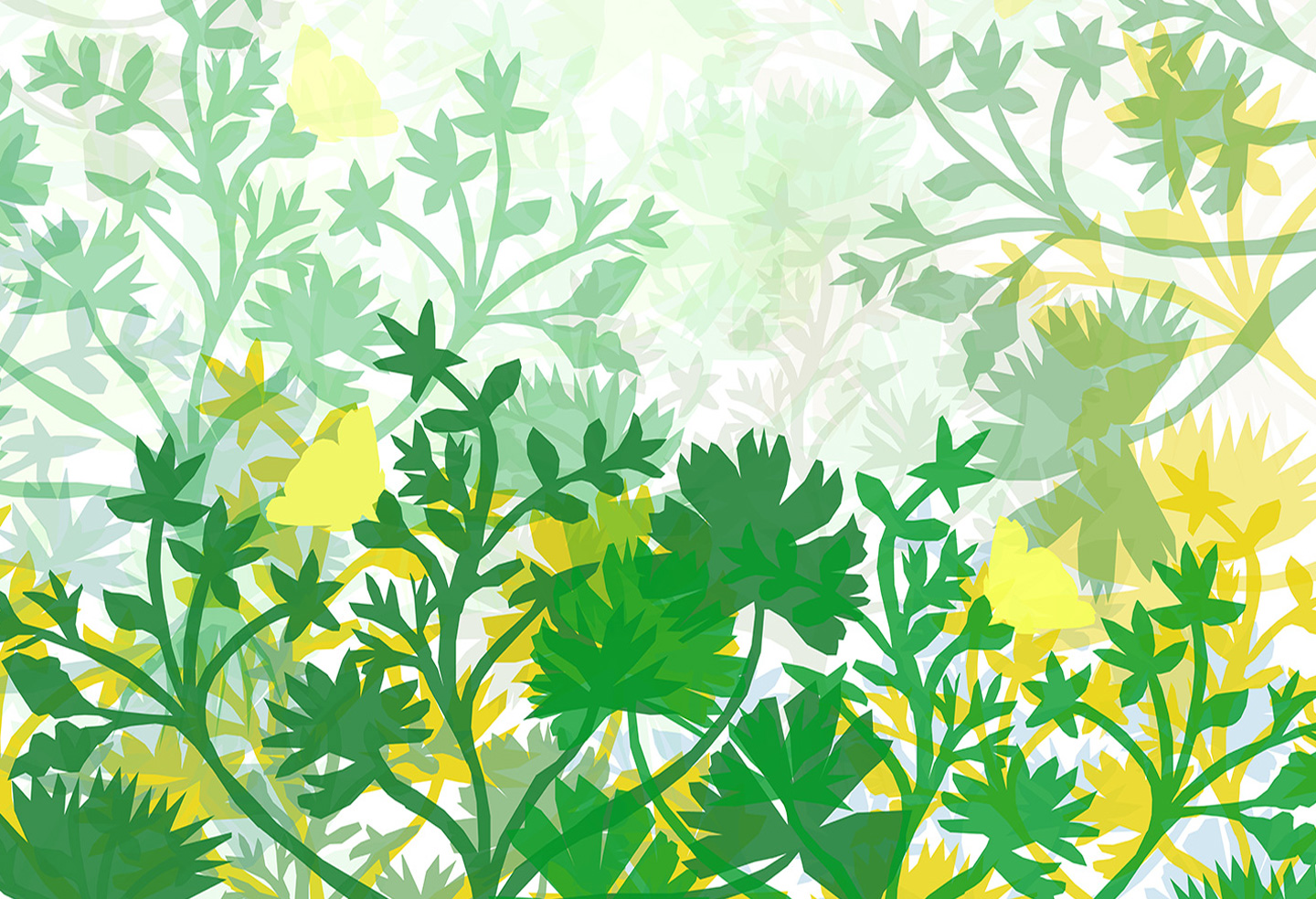
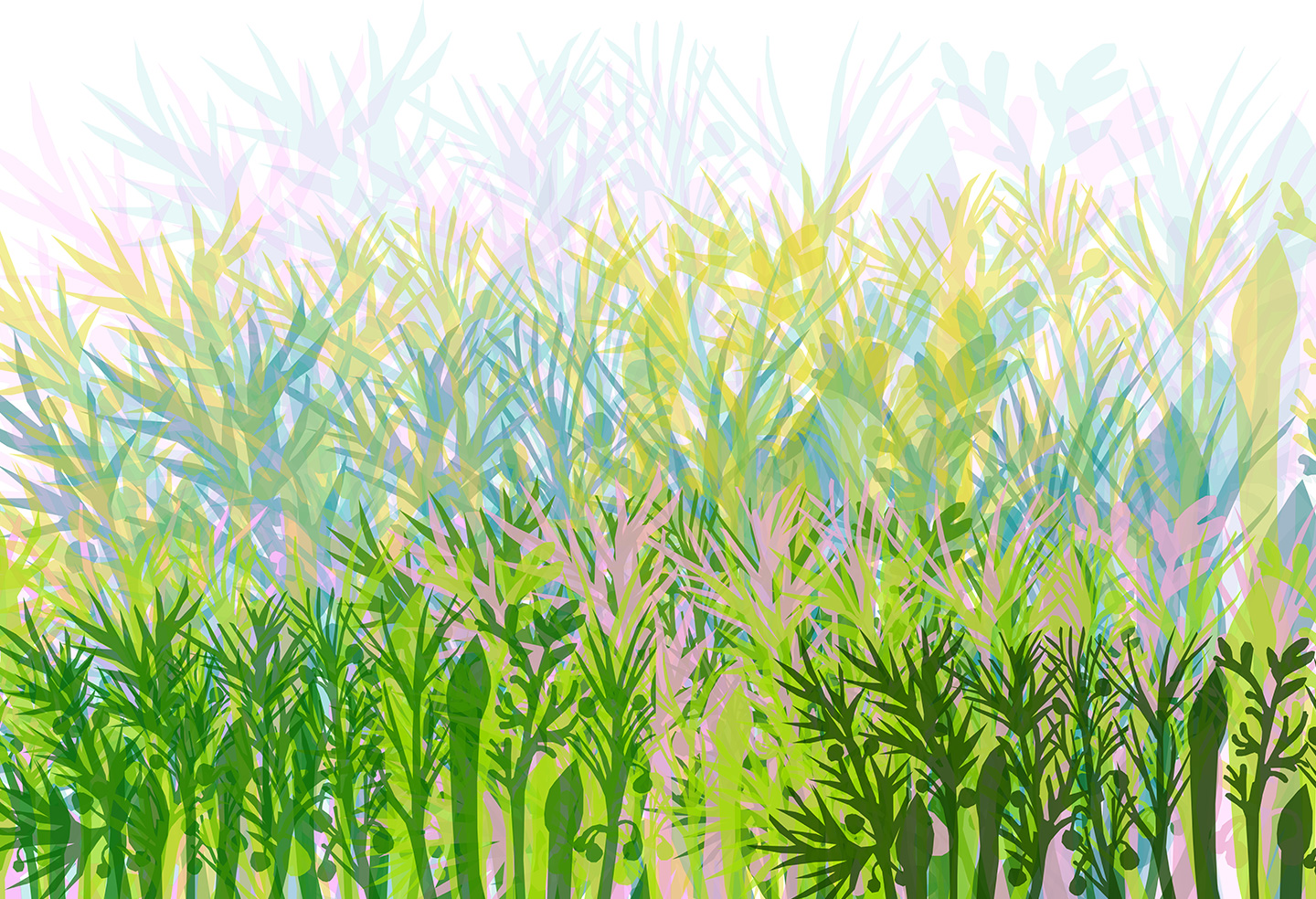
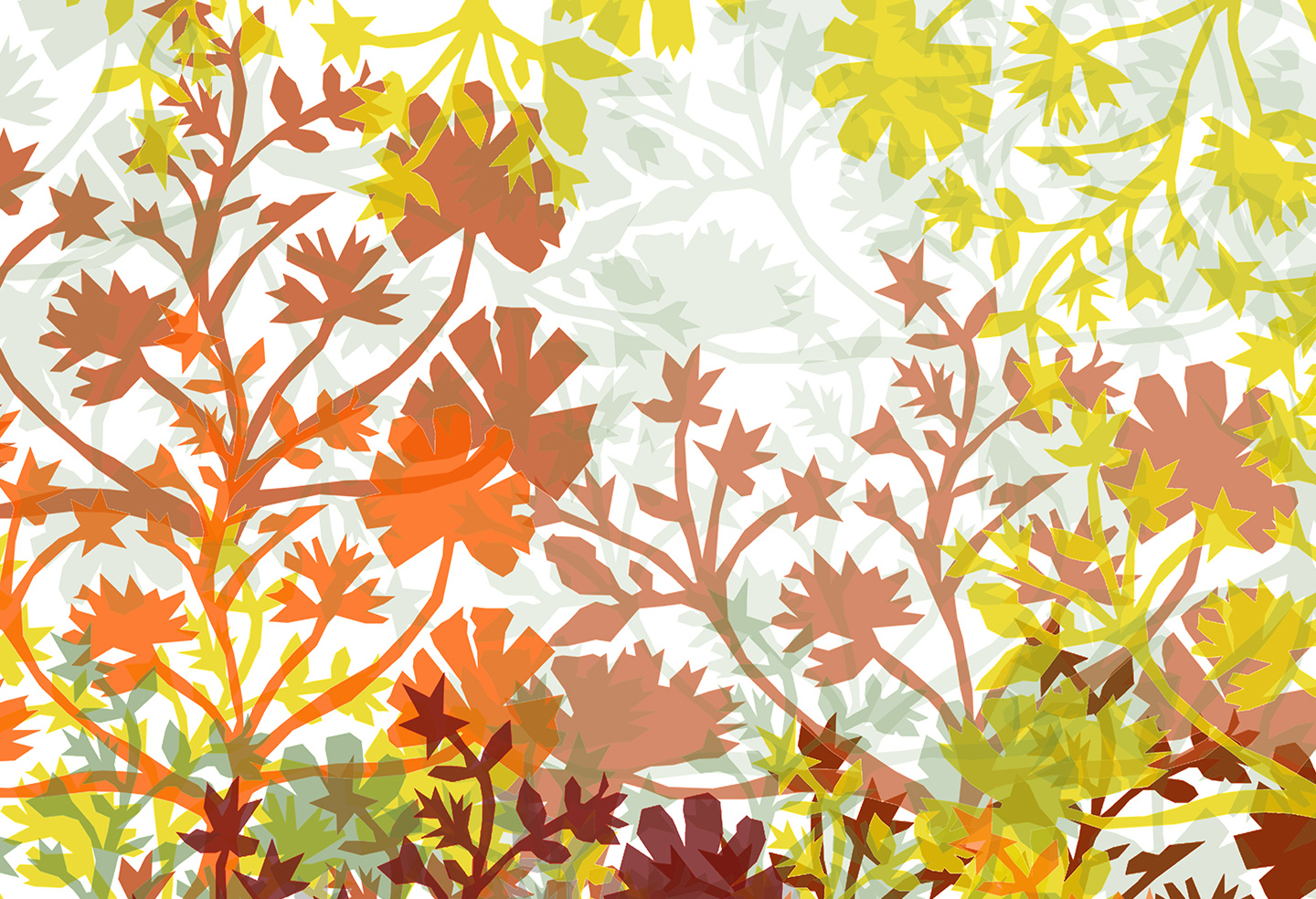
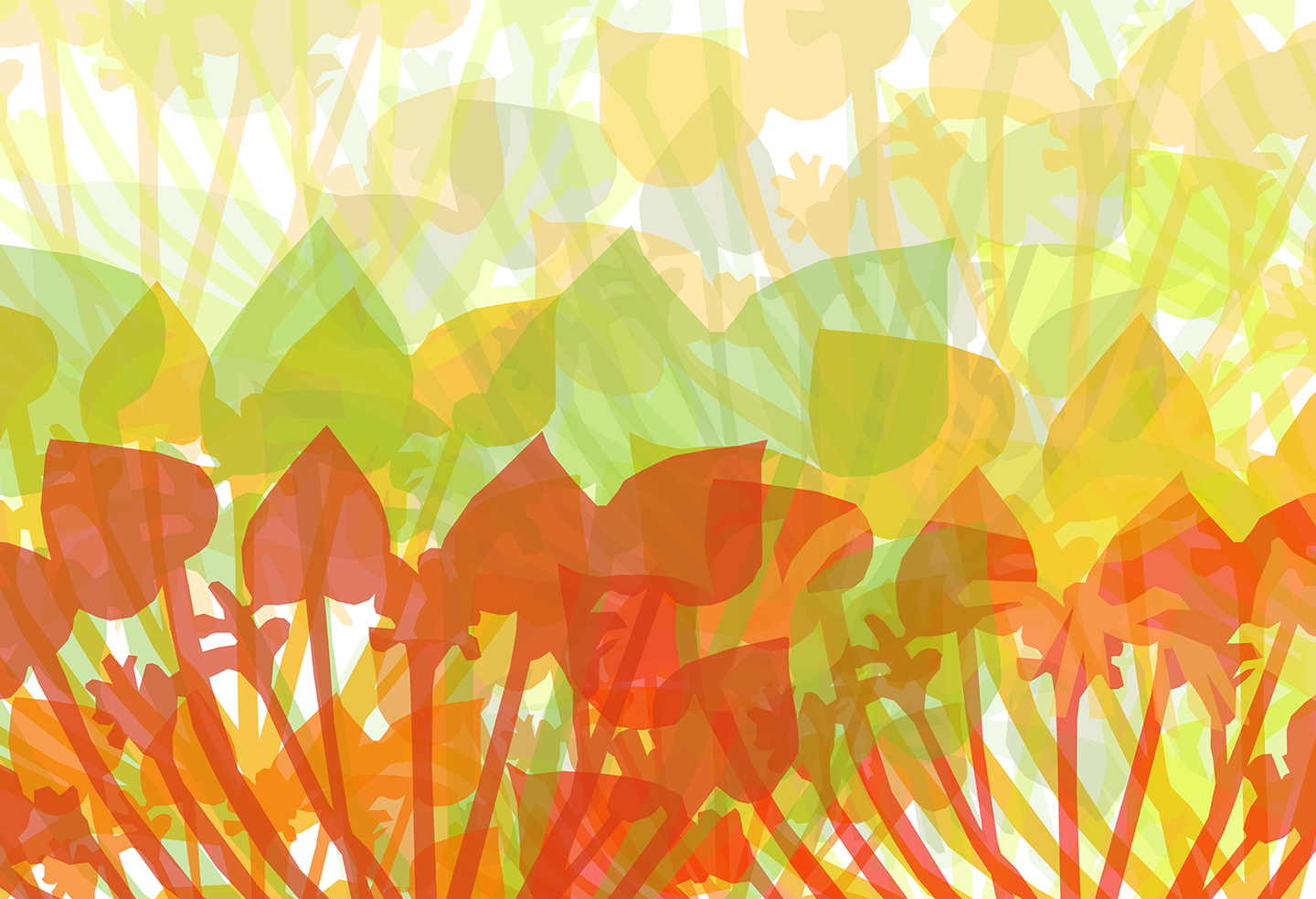
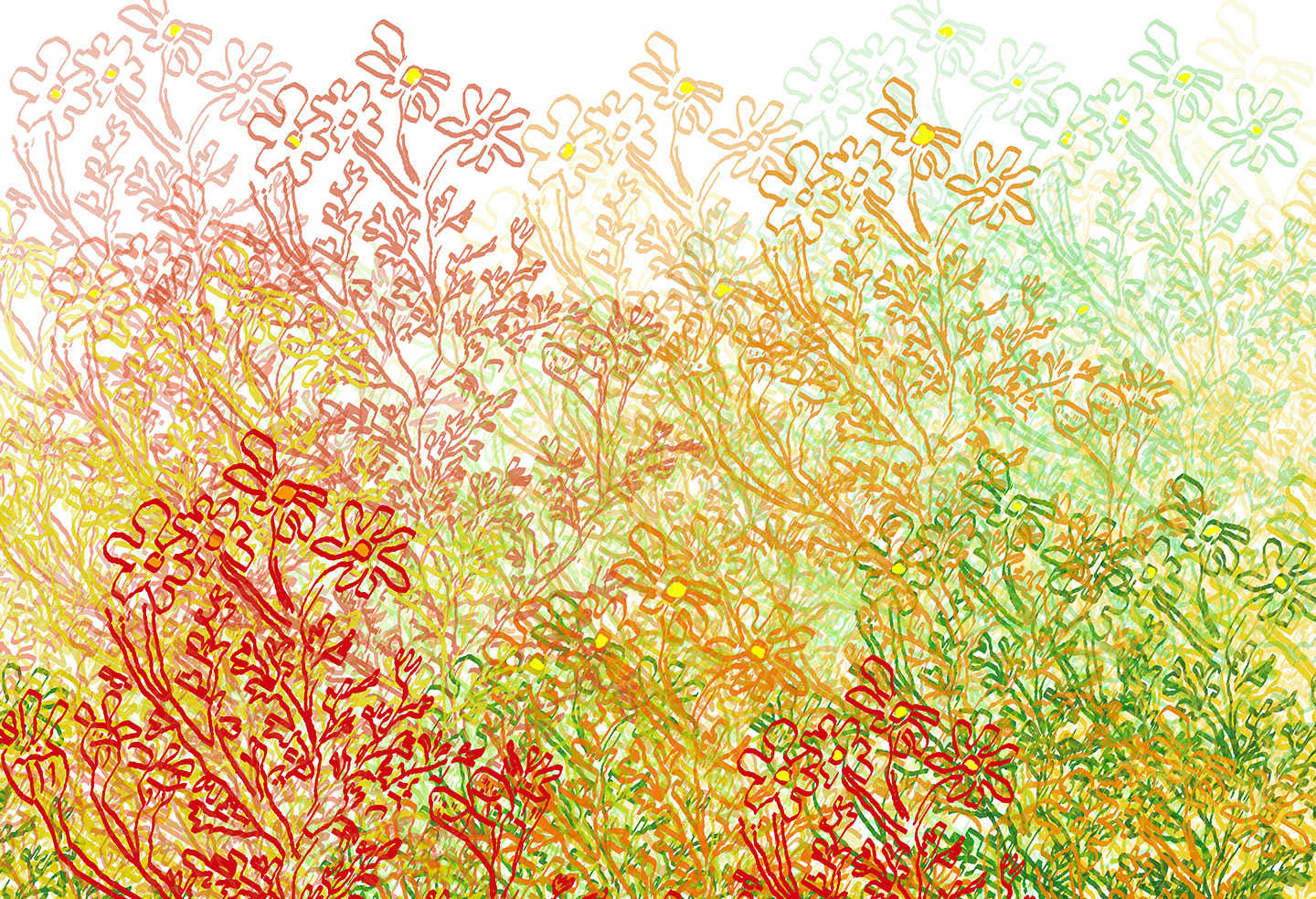
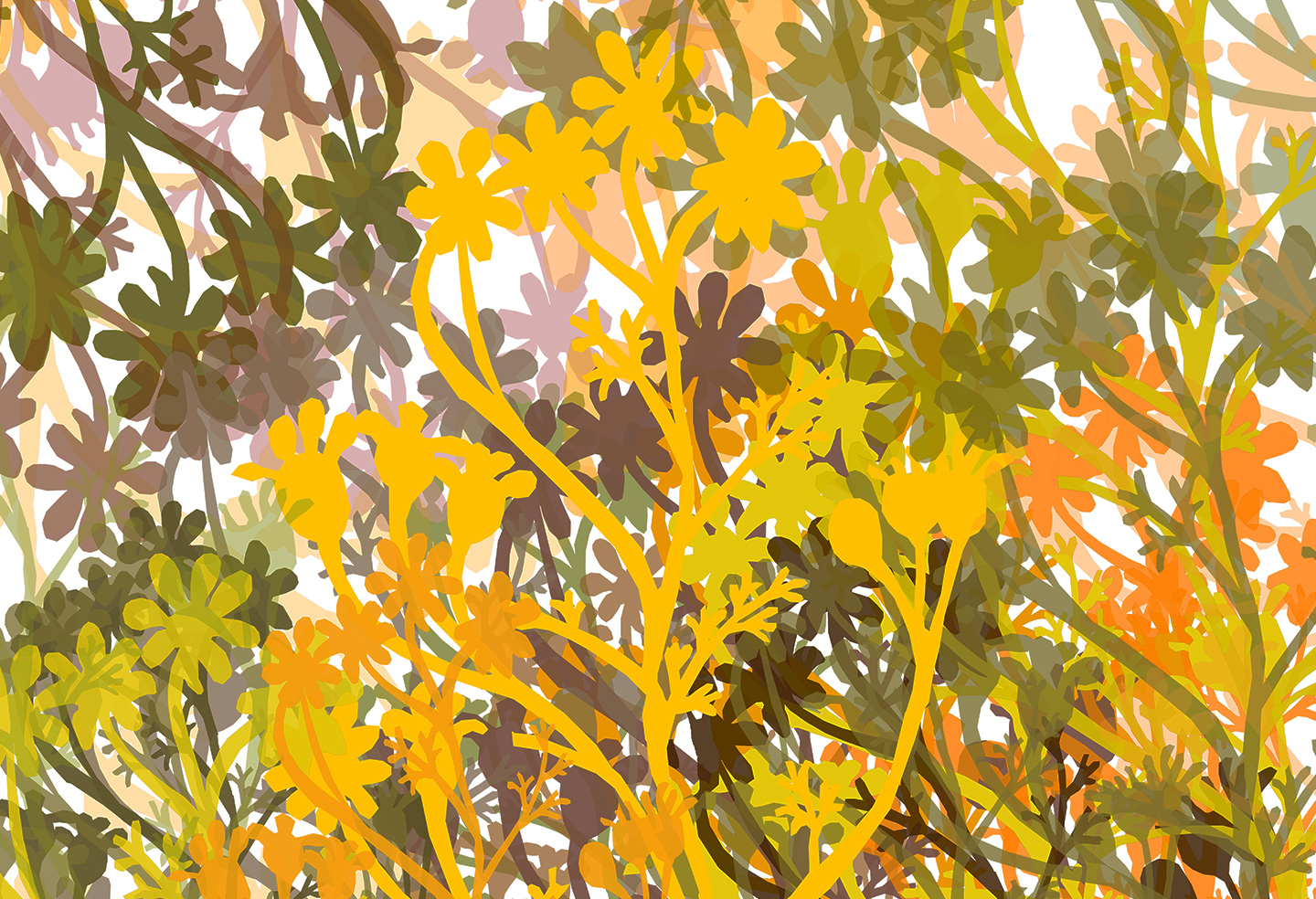
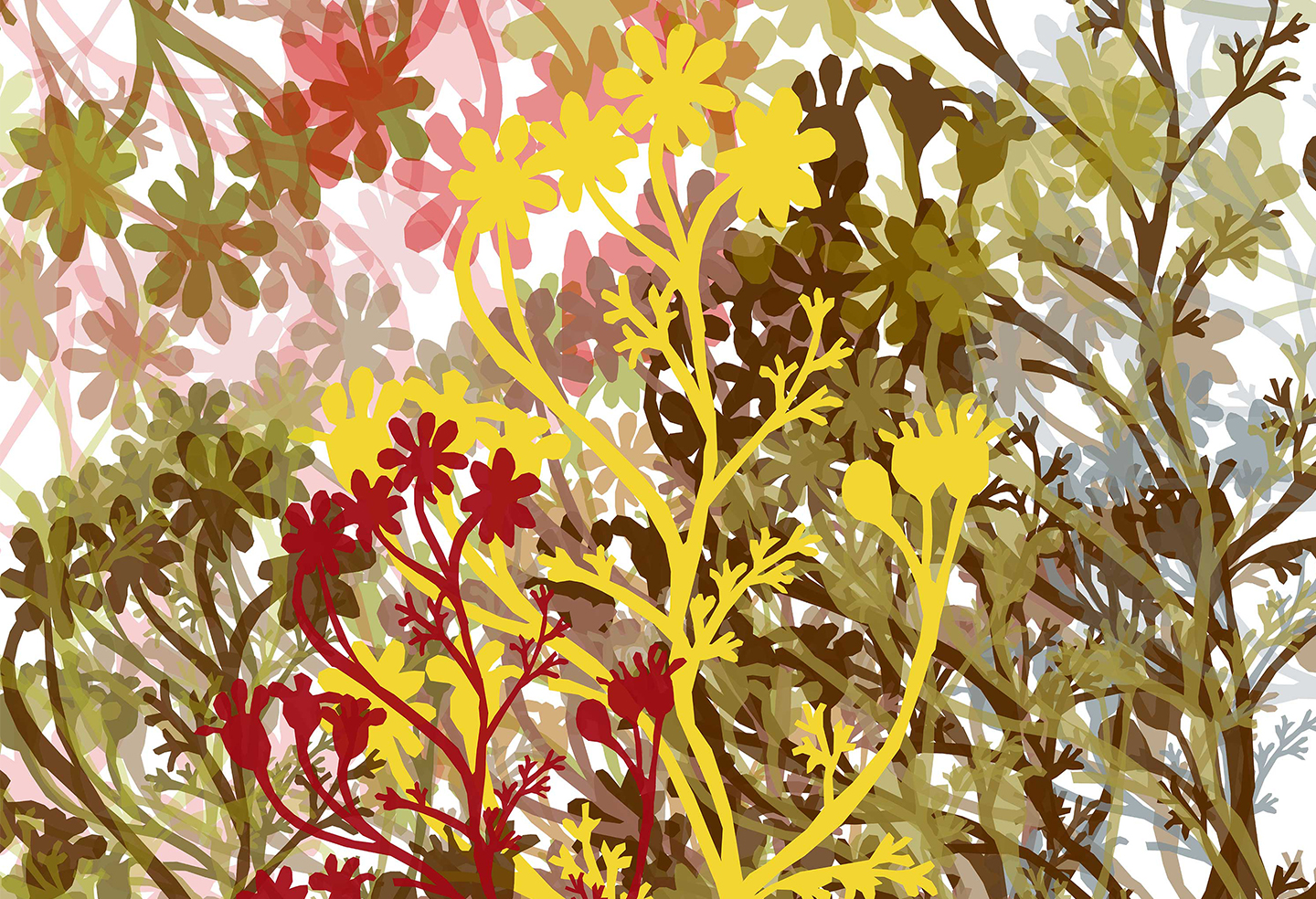
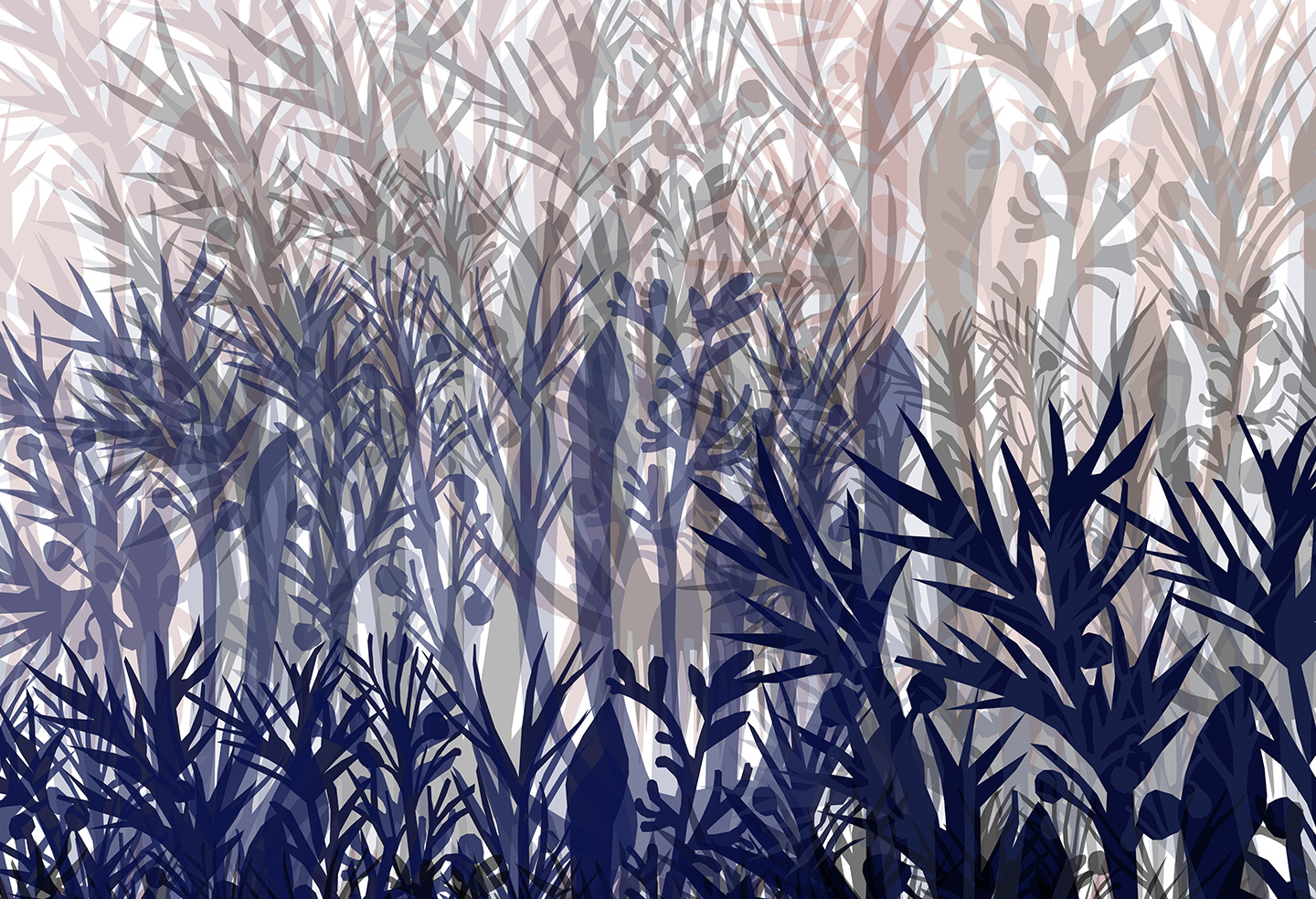
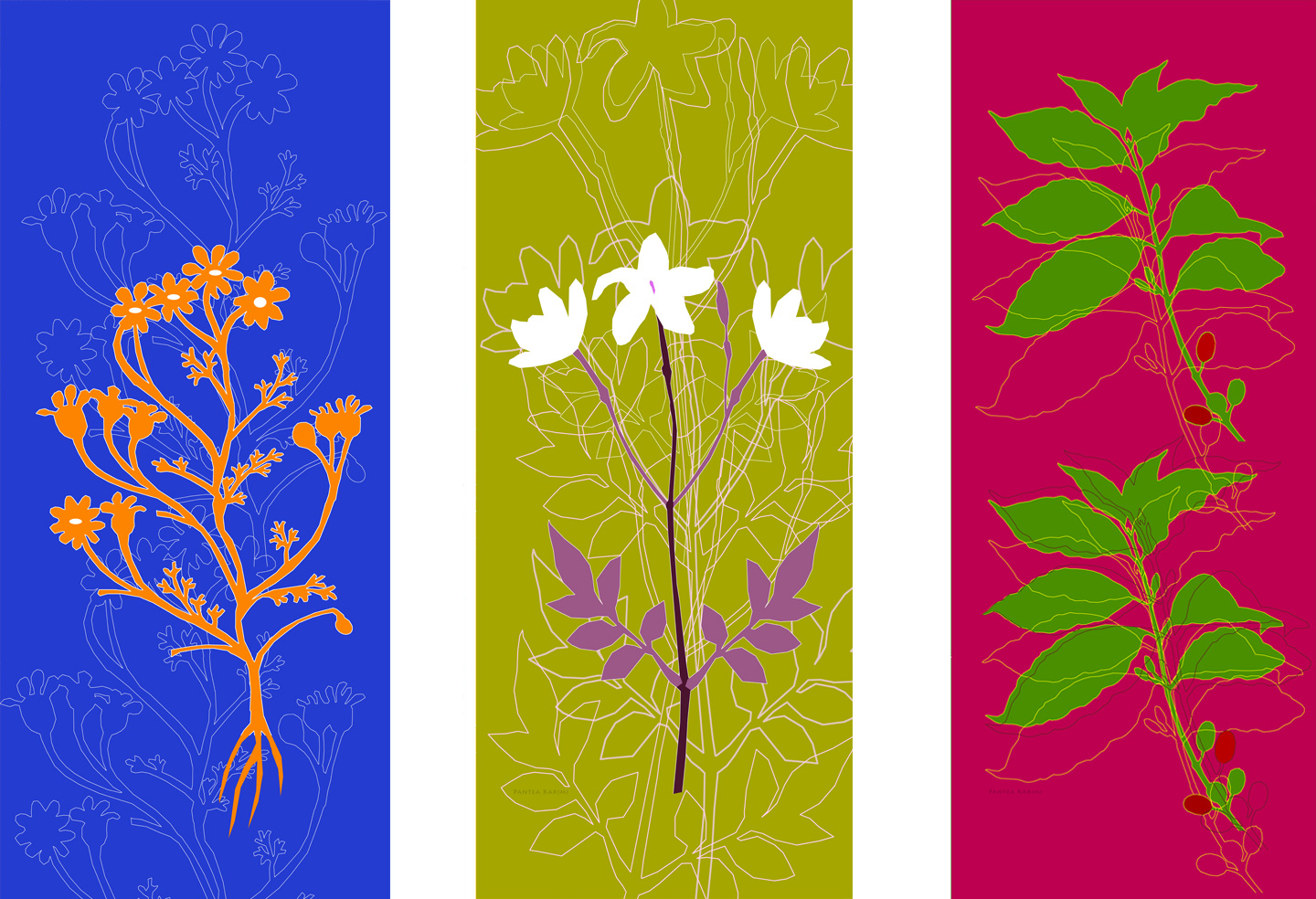
Endemic Healing and Vivid Garden series, 2020-2023
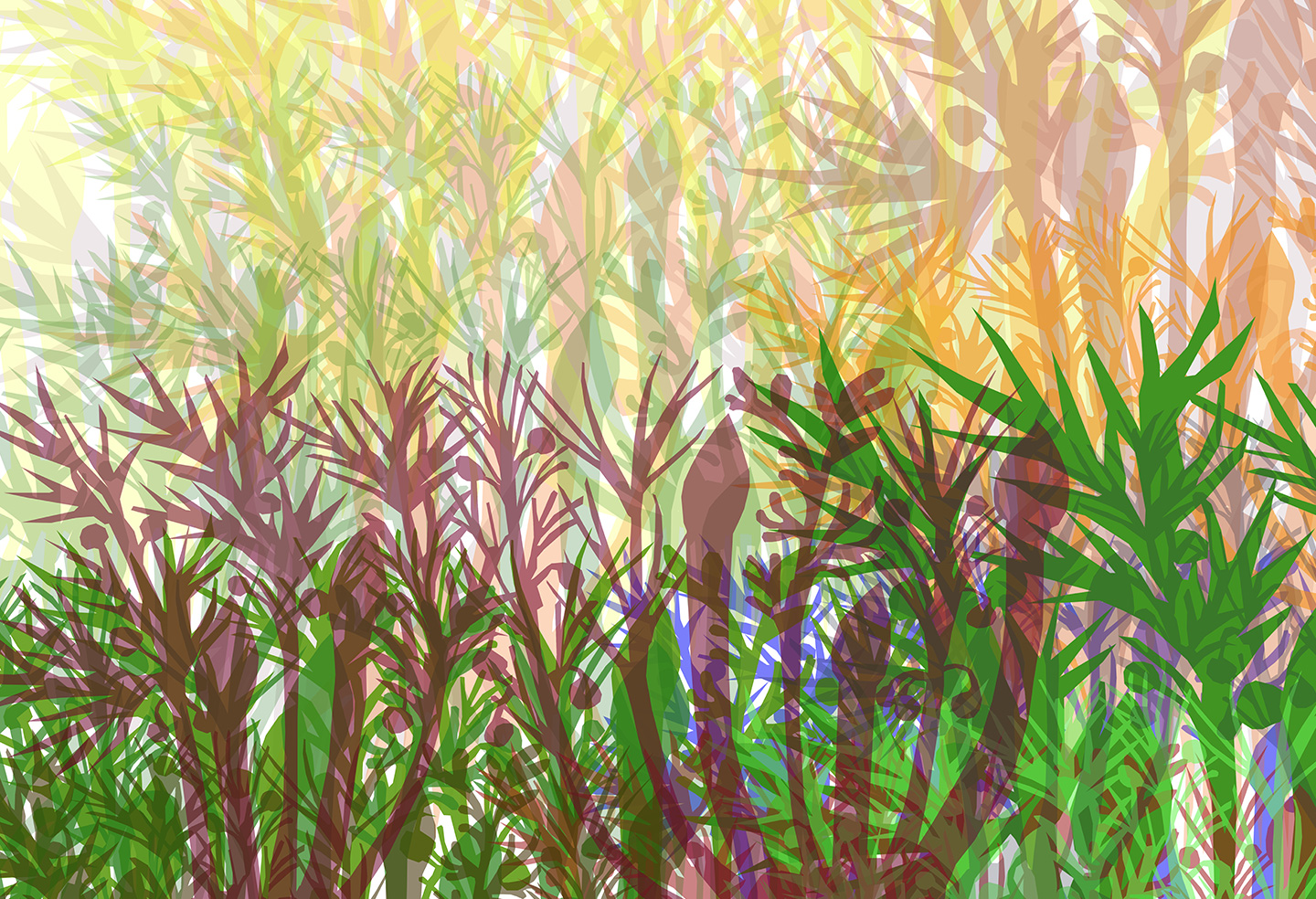
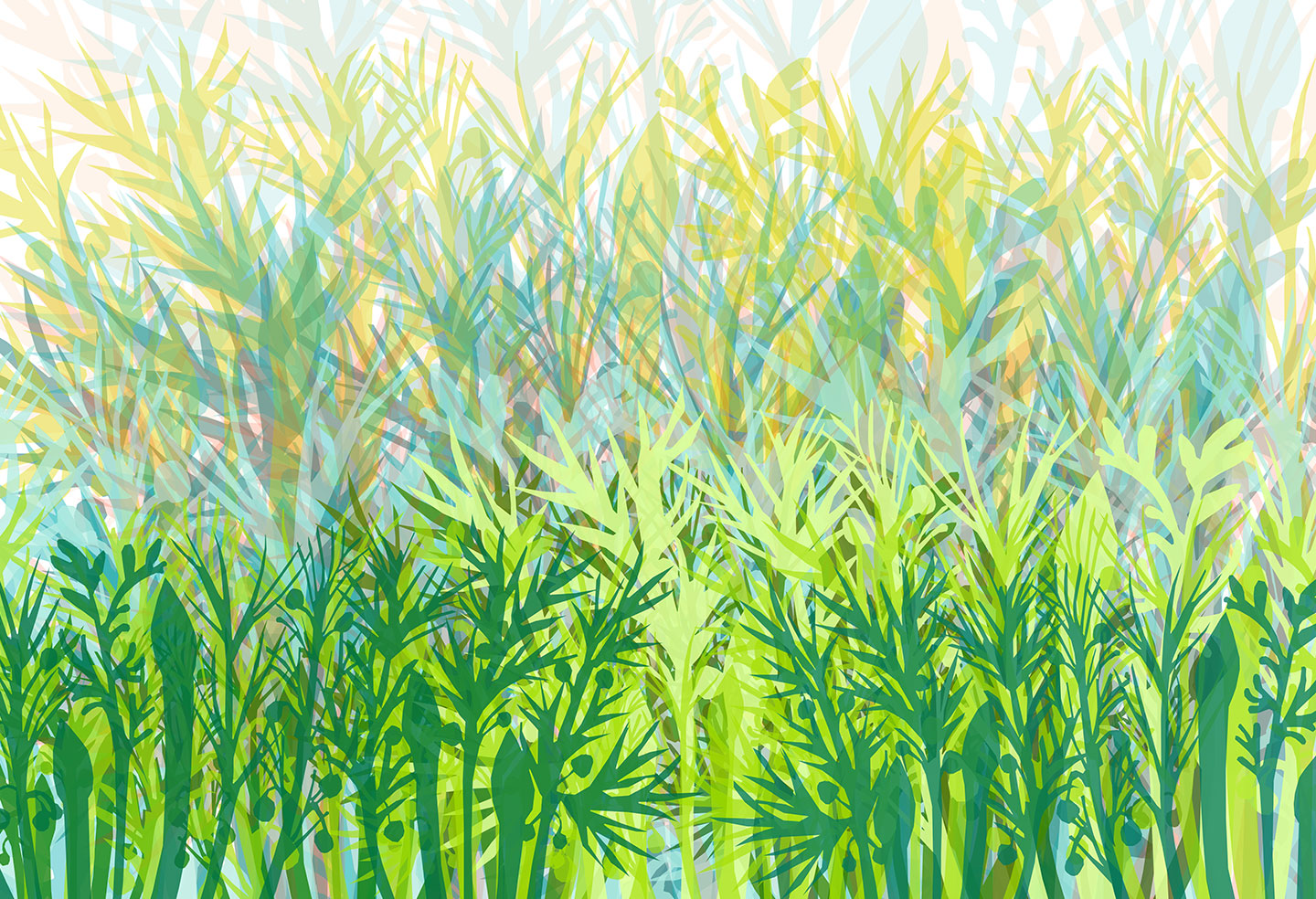
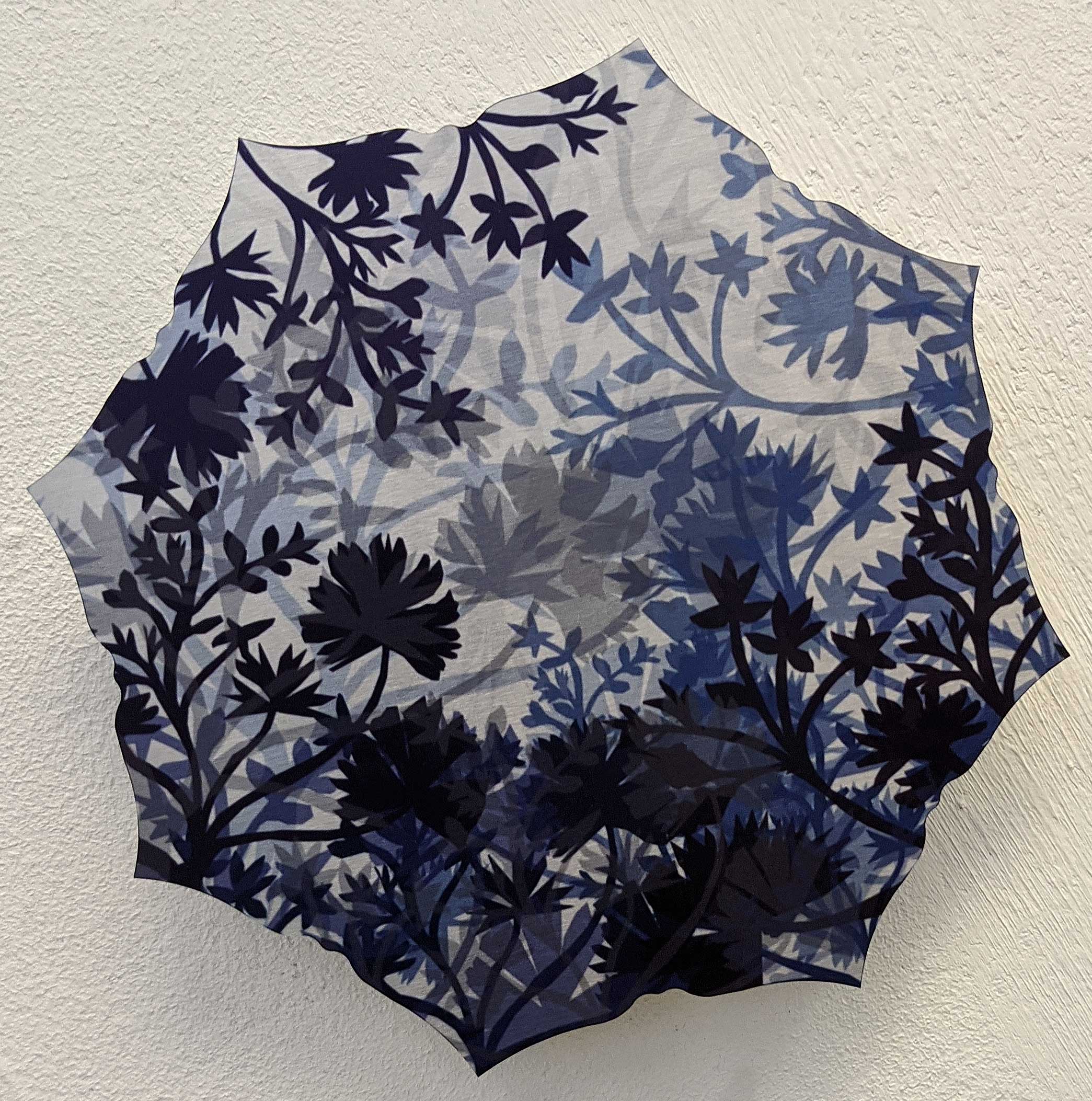
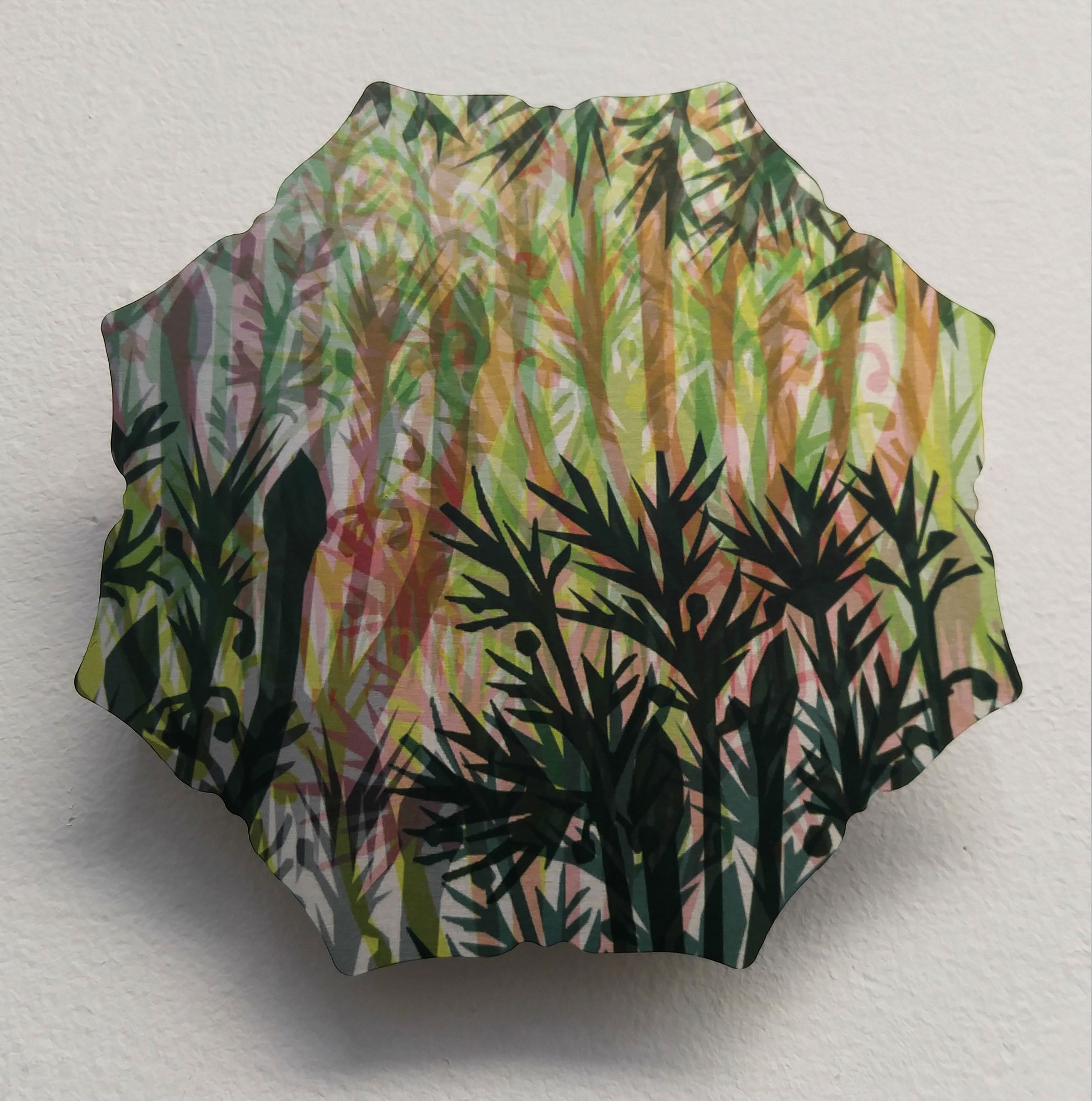
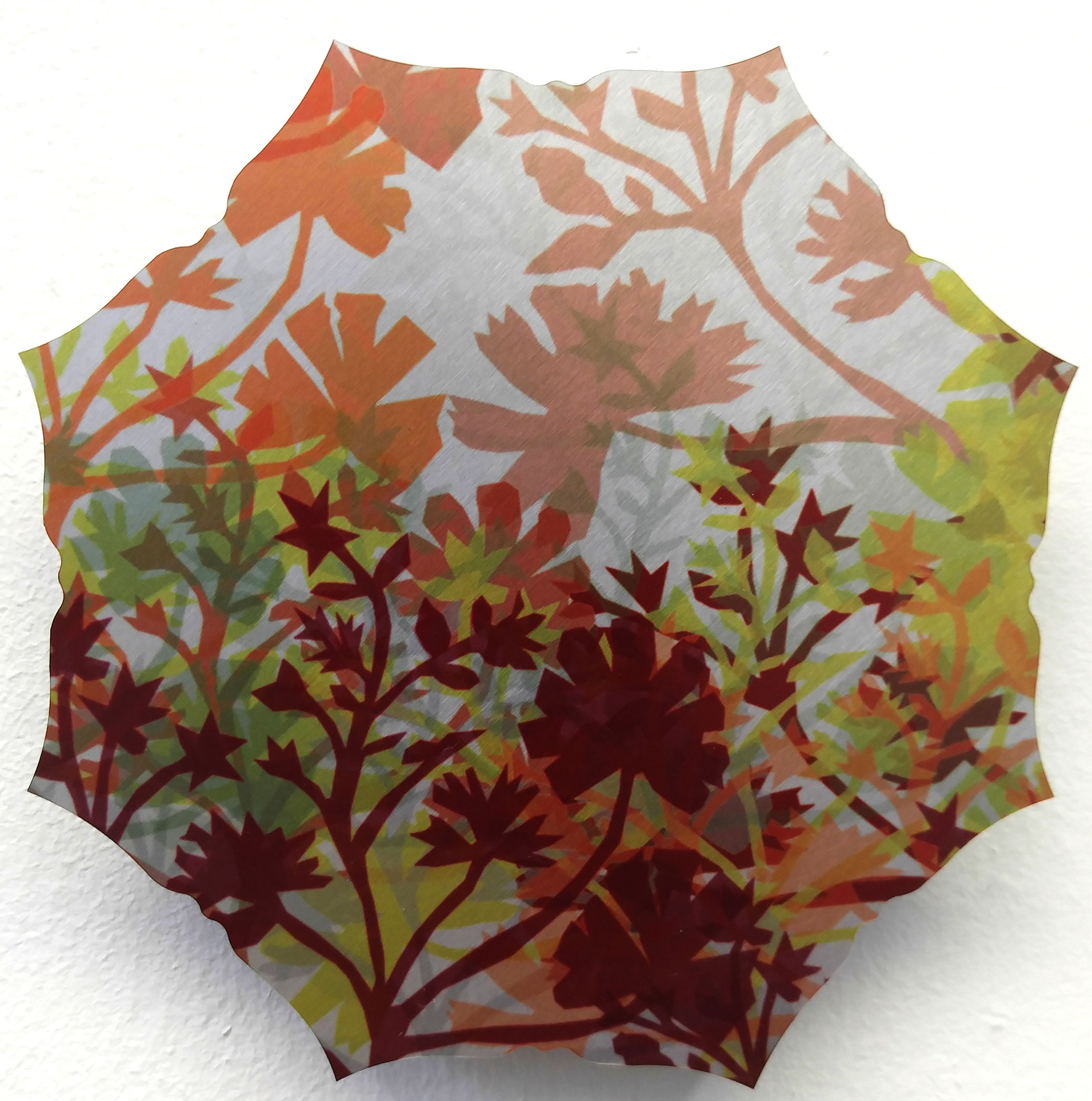
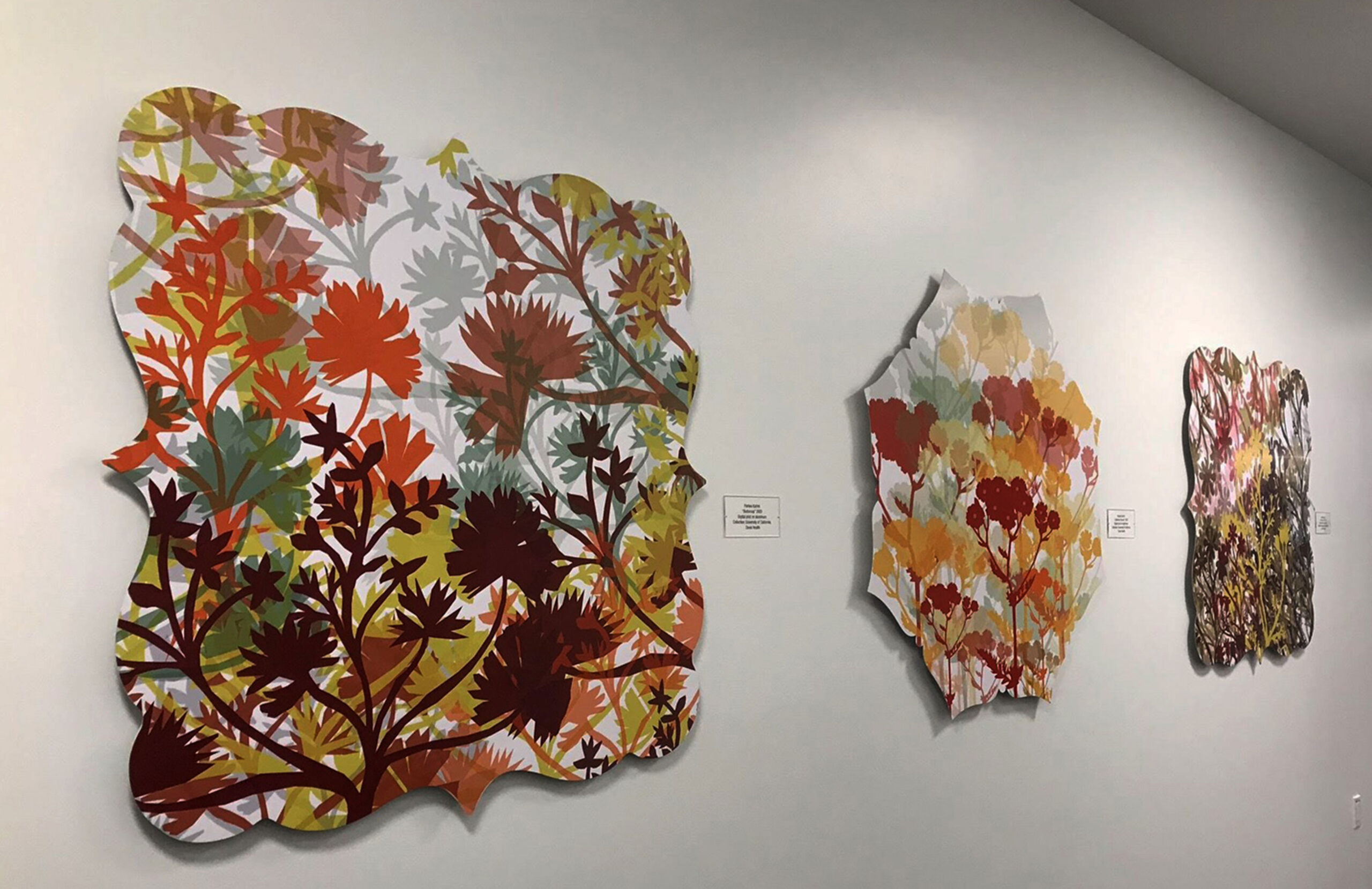
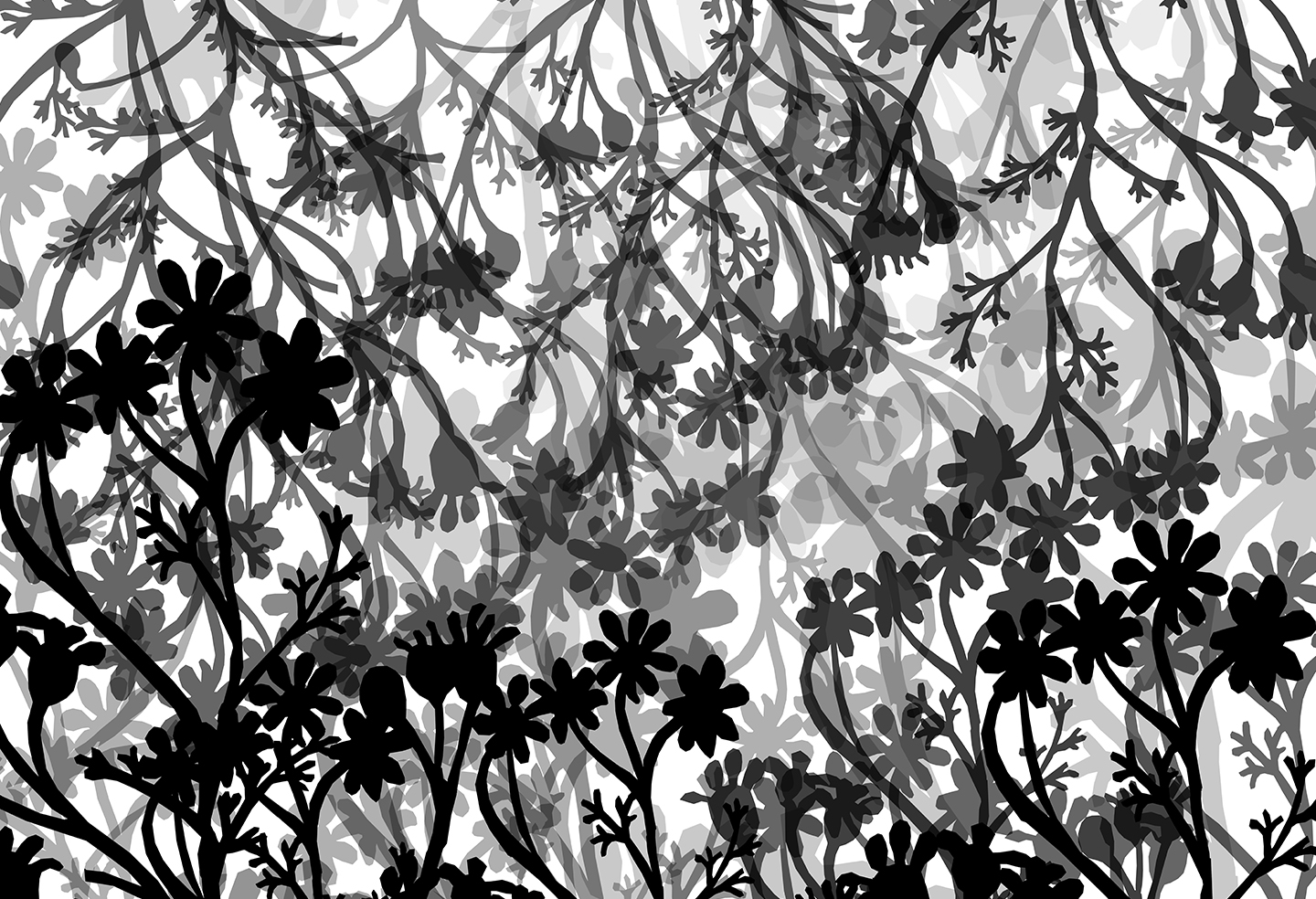
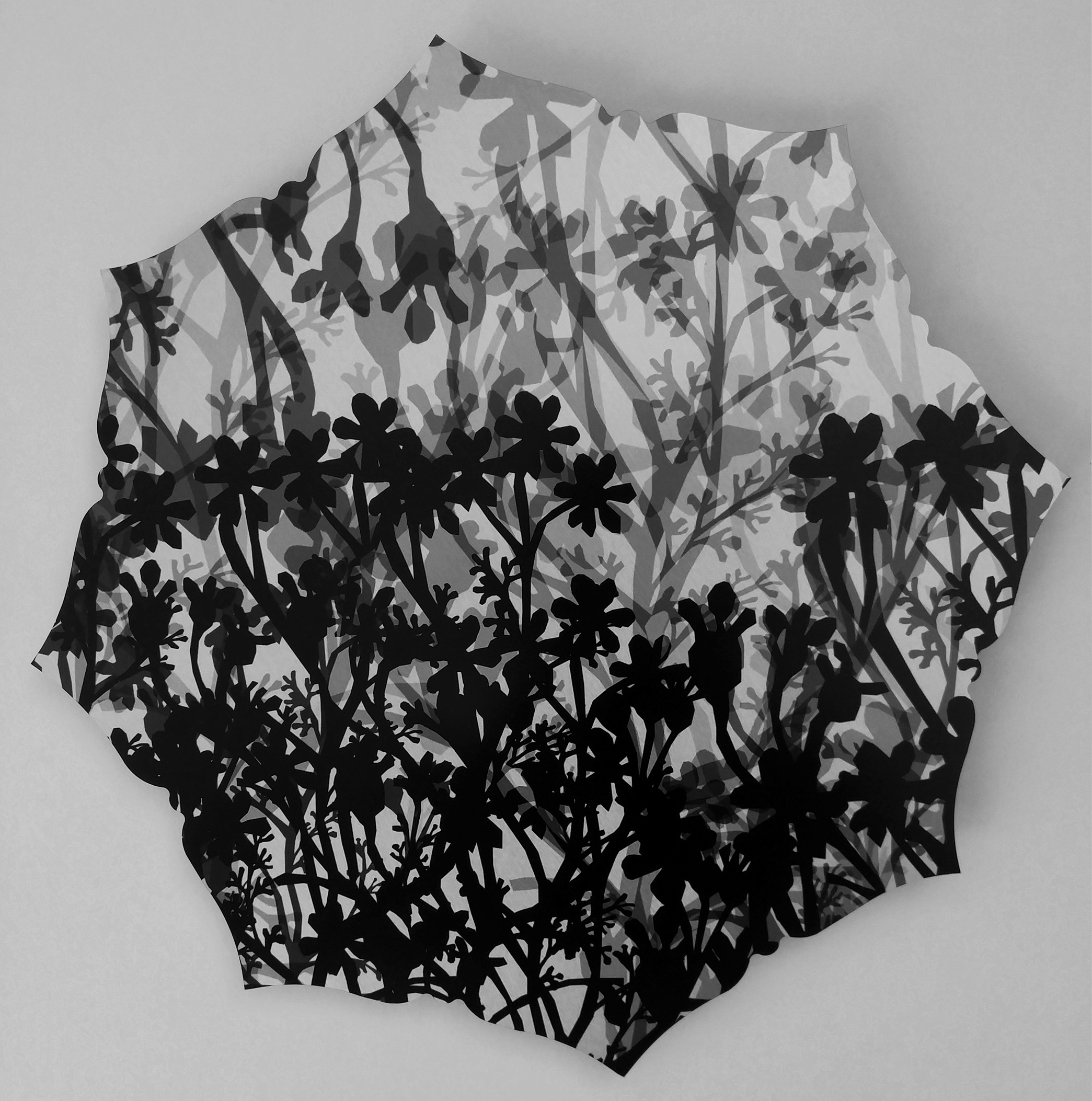
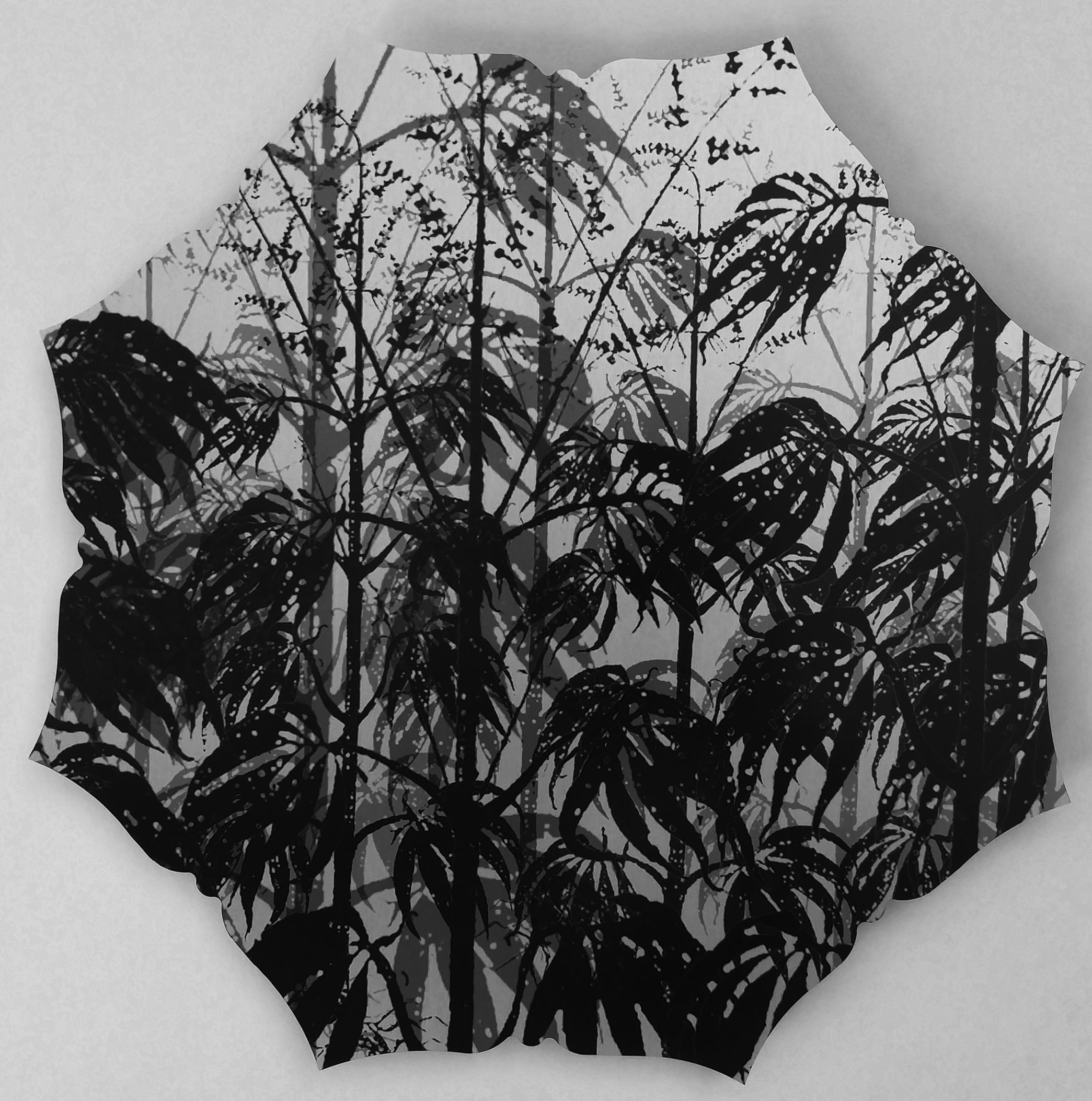
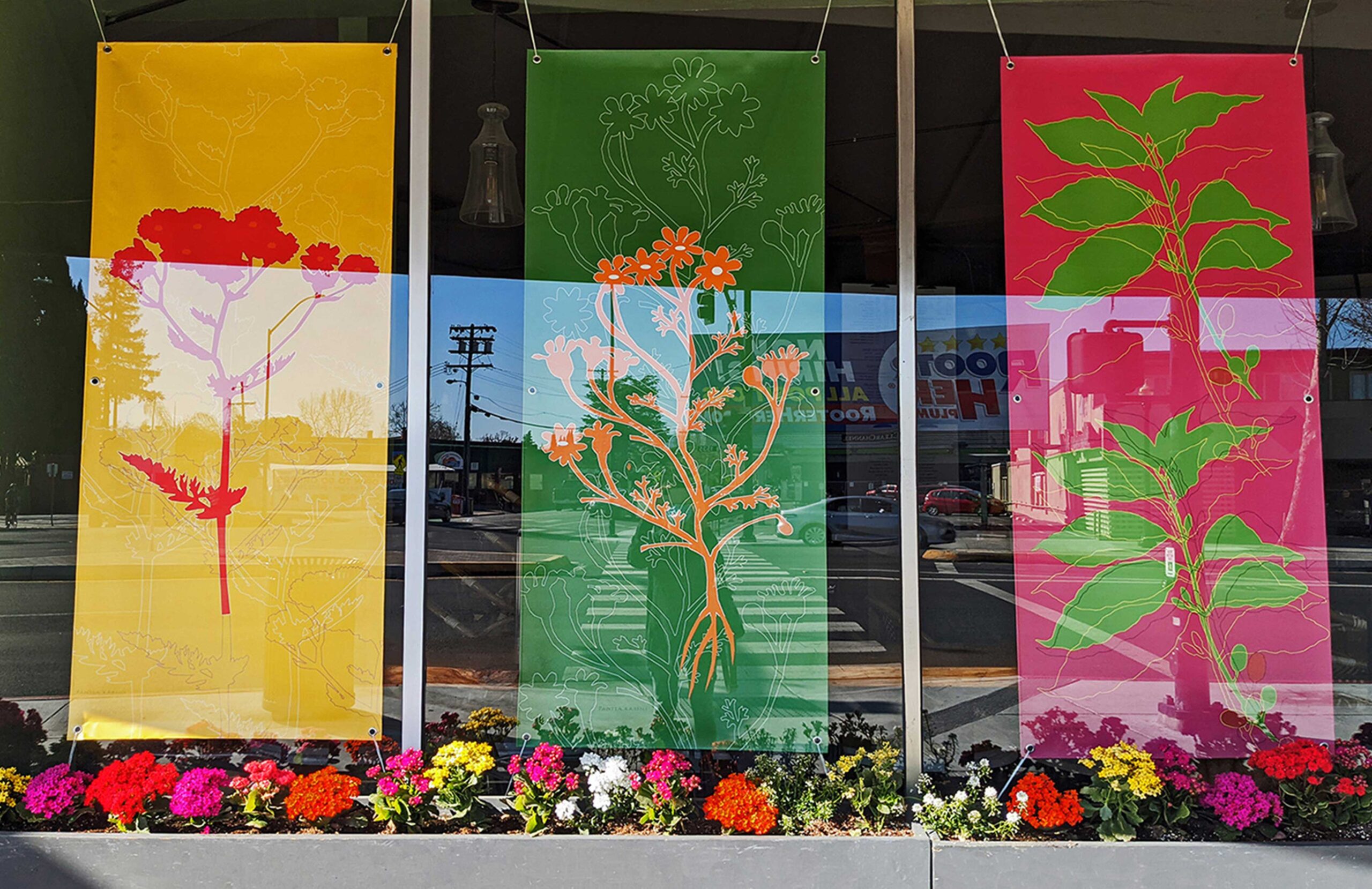
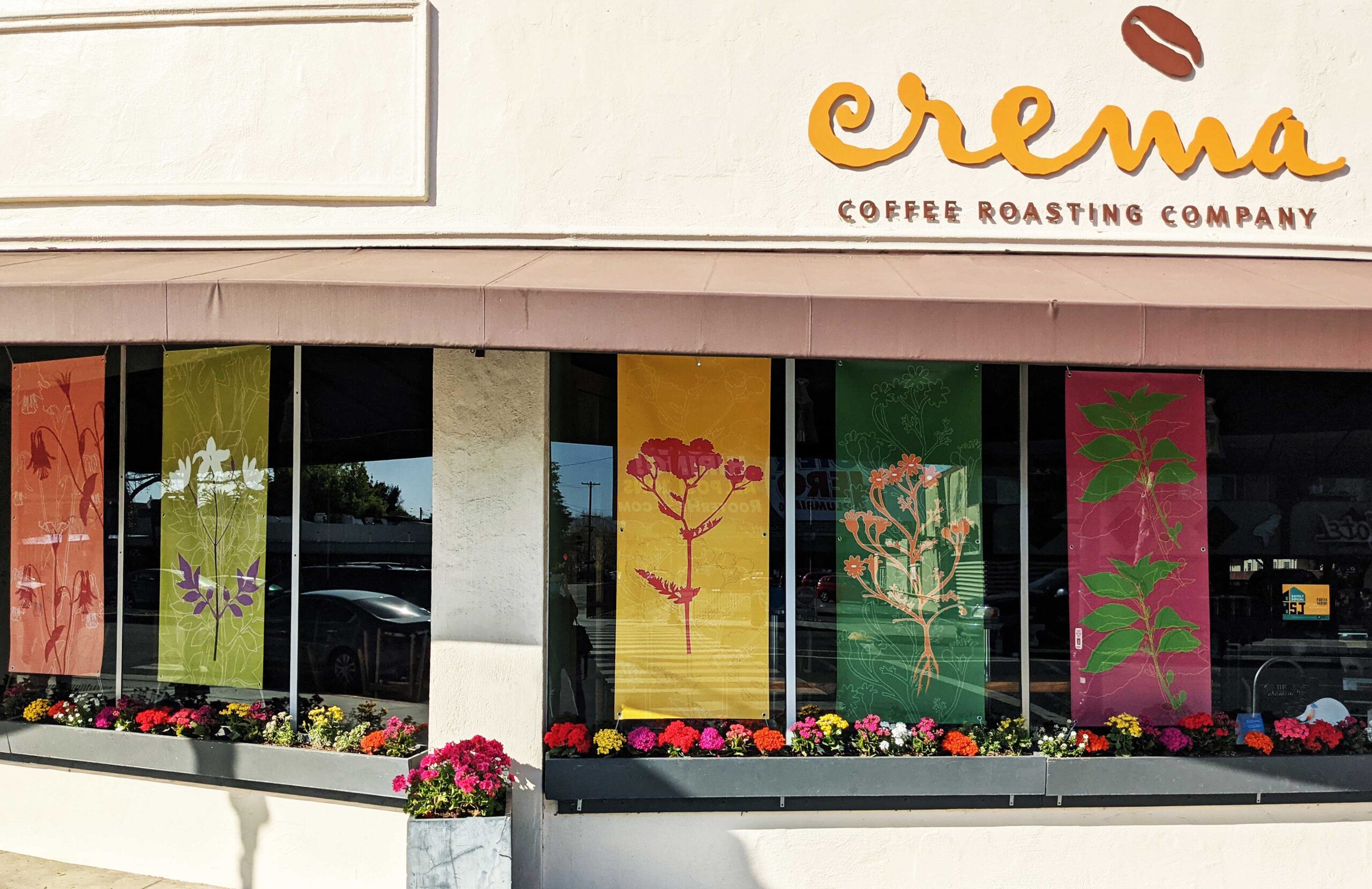
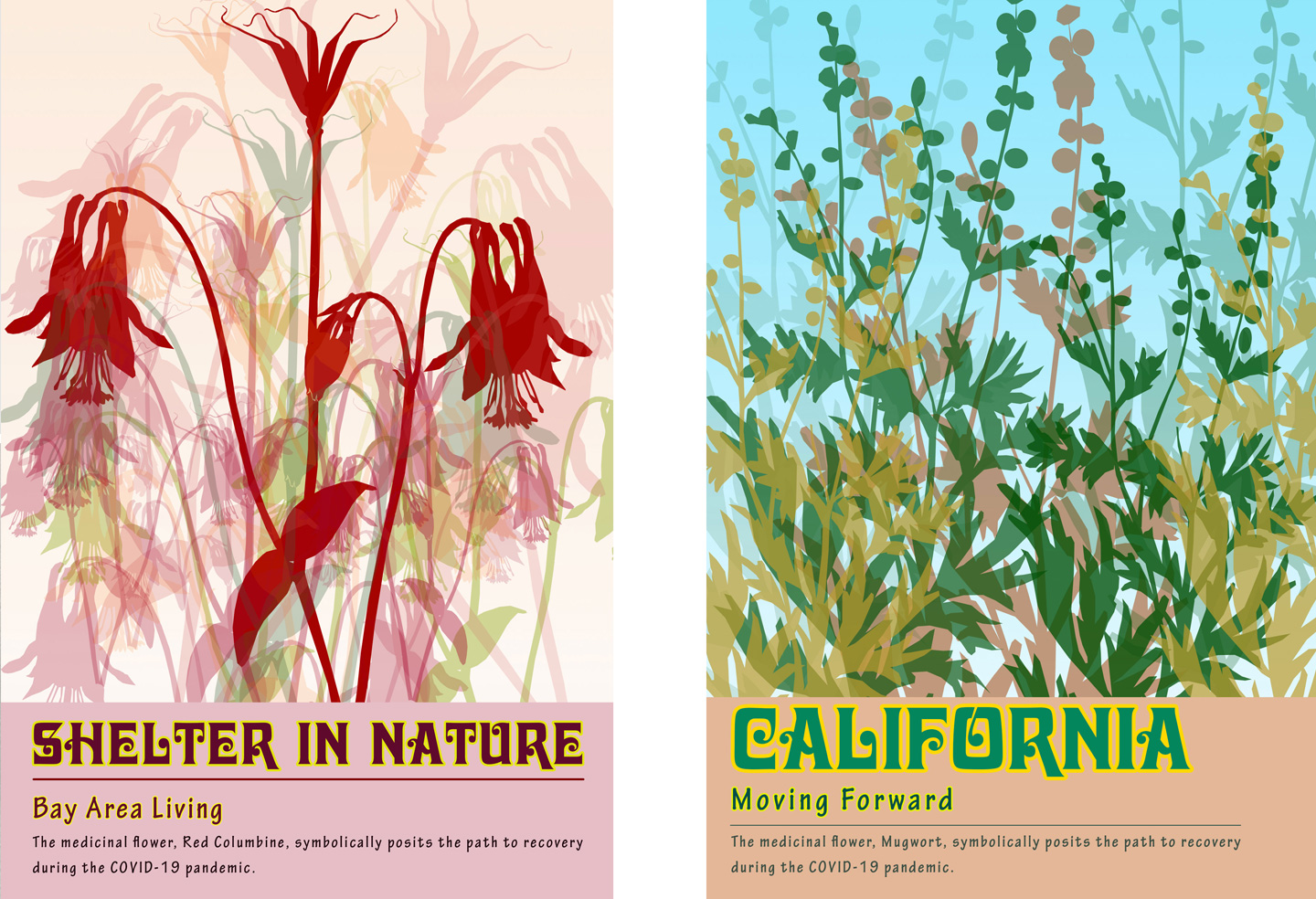
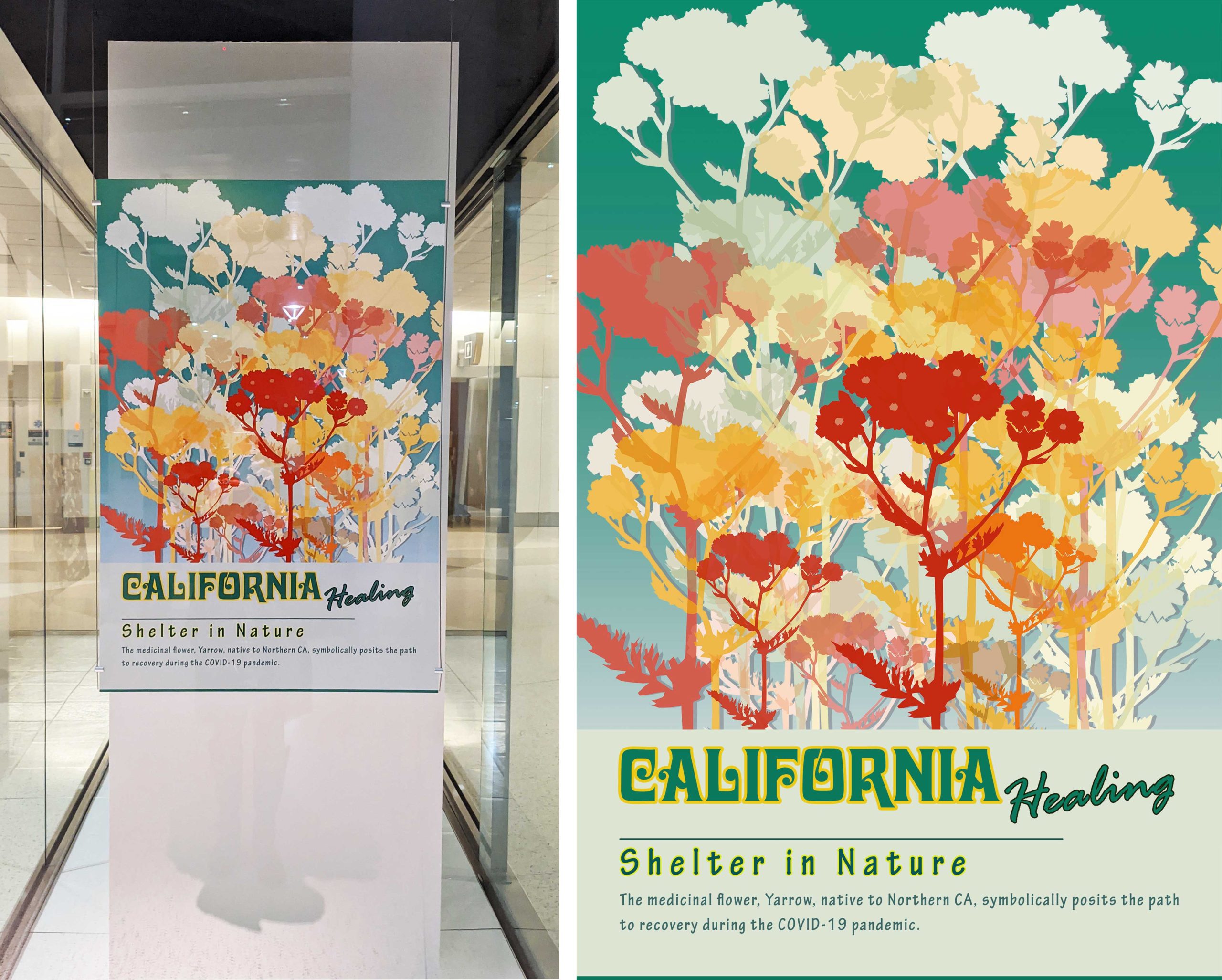
My digital illustrations are held in private and public collections, including a commissioned series at YouTube HQ in San Bruno, CA, and healthcare institutions in San Francisco, Orlando, Davis, Sacramento, and Stanford.
The works are inspired by my research into medieval scientific manuscripts. They are available for production at custom scales, up to 40 x 40 inches, and can be adapted to a range of materials including aluminum, photographic paper, vinyl, acrylic, wallpaper, or fabric. This section also includes ceiling installation proposals in which botanical compositions are extended into large-scale spatial works using fabric strips.
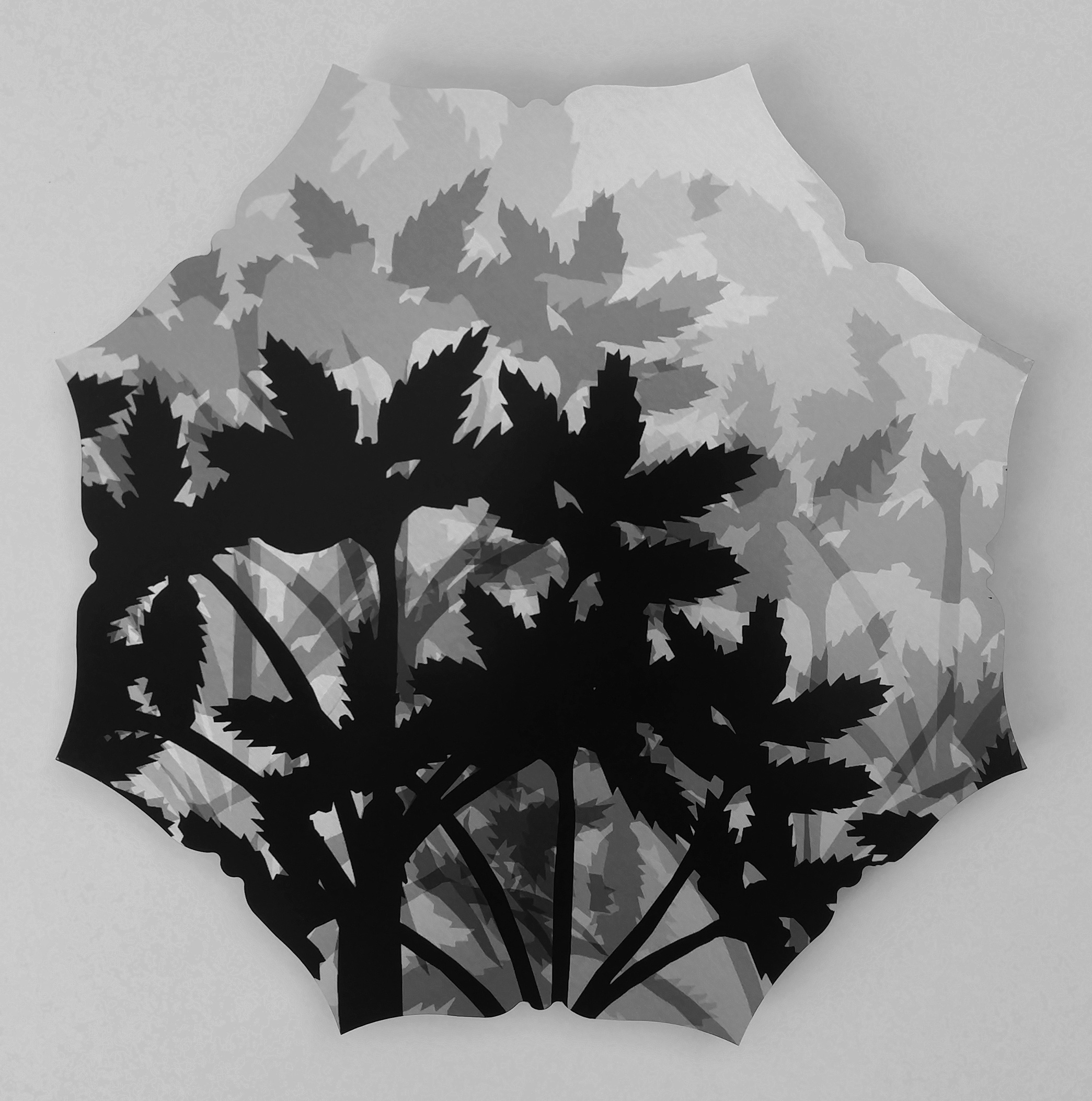
Many compositions are developed through direct observation in botanical sites, particularly Filoli Botanical Garden in the San Francisco Bay Area. In the Endemic Healing and Vivid Garden series, aluminum medallions reference Persian tiles found in historic botanical gardens in Shiraz, Iran, where my family originates.








Research & Inspiration
This section features images of my research visits with botanical and zoological manuscripts at the British Library (London) and Marsh’s Library (Dublin), which I visited in 2018 and 2019. My compositions are also informed by direct observation of plants in botanical gardens, particularly Filoli Botanical Garden in the San Francisco Bay Area. Astronomy manuscripts that I studied for the Sidereal Messenger installation are held in the Institute Archives & Special Collections at MIT and the British Library.